by Anthony Mackle, Co-Founder and Managing Director of Macahl Animal Health
As temperatures rise during the summer months, veterinary teams often see an increase in cases where dehydration becomes a complicating factor – particularly in senior pets, recovering patients, and those managing chronic conditions such as renal disease, diabetes, gastrointestinal disease, or cancer.
While severe dehydration requiring hospitalisation and IV fluid therapy is well recognised, mild to moderate dehydration can often go unnoticed until clinical signs progress. Supporting voluntary fluid intake earlier can play an important role in patient comfort, recovery, and ongoing wellbeing.
Hydration is more than “Just Drinking Water”
Many pets – particularly cats, senior patients, and unwell animals – simply do not drink enough water independently. During warmer weather, increased panting, elevated ambient temperatures, reduced appetite, vomiting, diarrhoea, or polyuria can further increase fluid losses and electrolyte imbalance.
For patients already under physiological stress, maintaining hydration may help support:
- Circulation and tissue perfusion
- Kidney and urinary function
- Gastrointestinal recovery
- Appetite and nutrient intake
- Thermoregulation during heat exposure
- General recovery and wellbeing
In practice, hydration support is often considered reactively once dehydration becomes clinically apparent. However, there is increasing recognition that encouraging fluid intake earlier may help support patients before deterioration occurs.
Which patients may benefit most during the summer?
- Senior Pets – Reduced thirst and mobility can increase dehydration risk in older pets.
- Renal & Urinary – Ongoing fluid loss may increase dehydration risk in renal patients.
- Diabetic – Excess urination can quickly lead to dehydration in diabetic pets.
- GI + Recovery – Vomiting, diarrhoea, and recovery can negatively impact hydration status.
The challenge: Pets often won’t drink enough
One of the biggest barriers to maintaining hydration is palatability. Many pets simply refuse plain water when feeling unwell or stressed.
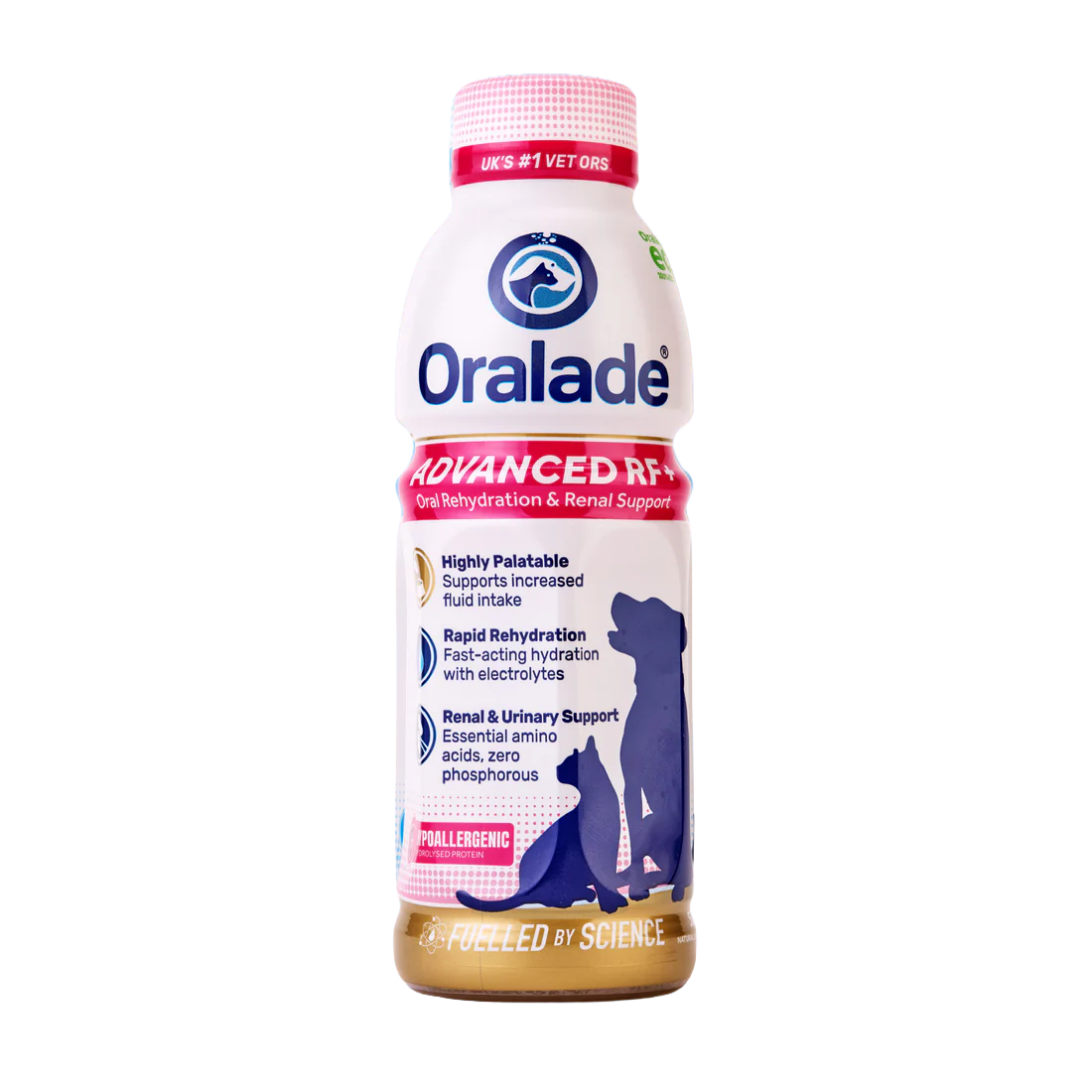
Veterinary professionals are increasingly looking at ways to encourage voluntary drinking behaviour through highly palatable oral hydration support products designed specifically for pets. An isotonic formulation with a meaty chicken flavour may help support efficient fluid absorption, while added electrolytes can help replace losses associated with illness, heat exposure, or recovery.
A shift towards proactive hydration support
Preventative hydration strategies are becoming more common within both human and veterinary healthcare. Rather than waiting for significant dehydration to develop, early oral support may help maintain hydration status during periods of increased risk. This is particularly relevant during summer, when environmental temperatures place additional stress on vulnerable patients.
Supporting compliance at home
For many owners, maintaining hydration at home can be challenging – especially with cats or debilitated patients. Simple strategies that may help include:
- Offer multiple fresh water stations
- Use wet diets where appropriate
- Provide chilled fluids during hot weather
- Encourage small, frequent intake
- Using highly palatable veterinary hydration support products
Early owner education around hydration awareness can also help improve compliance and intervention timing.
More than just hydration
Hydration support is no longer simply an emergency intervention. Increasingly, it is becoming part of a broader preventative care conversation, particularly for vulnerable pets during warmer months.
As summer approaches, proactive hydration planning may help veterinary teams support patient recovery, wellbeing, and comfort both in clinic and at home.
*Brachycephalic & Heat-Sensitive Breeds
Dogs prone to heat stress may struggle to regulate body temperature effectively during summer months, increasing the importance of accessible hydration support.
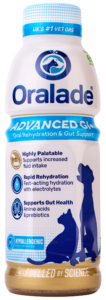
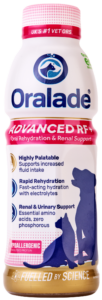
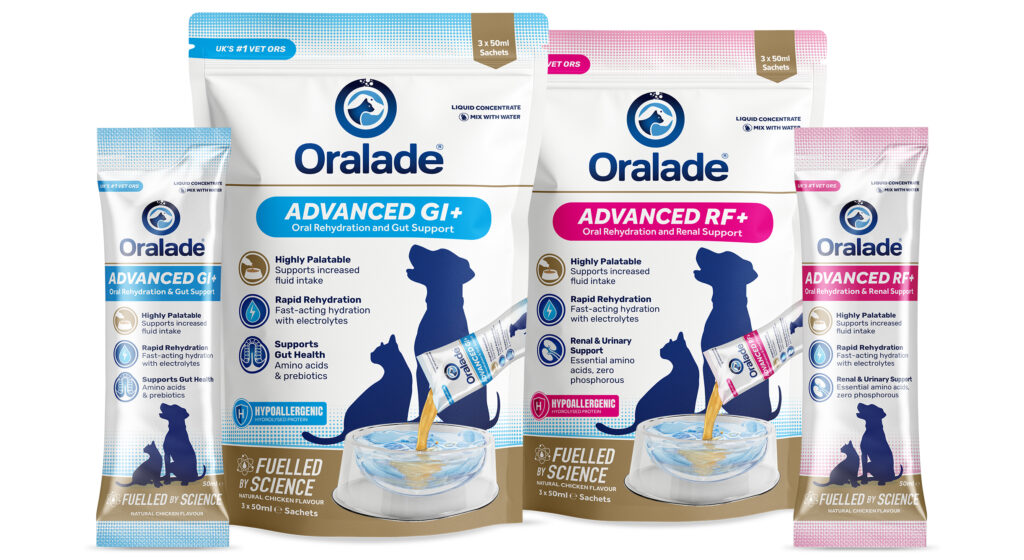
Discover more about Oralade Advanced products
More about the author:
Anthony Mackle, Co-Founder & Managing Director, Macahl Animal Health

Anthony Mackle is Co-Founder and Managing Director of Macahl Animal Health, creators of Oralade®. What began as a family vision alongside his father, John, has grown into a globally distributed veterinary brand, helping improve pet hydration and recovery, with one of the first isotonic oral rehydration solutions designed specifically for pets. He brings a hands-on approach to product development, manufacturing and international growth, alongside a strong commitment to sustainability, working to reduce the environmental impact of both Macahl Animal Health and the Oralade® brand.
The article was originally posted in The Cube magazine, June 2026 issue. Click here to read the magazine.
Related products
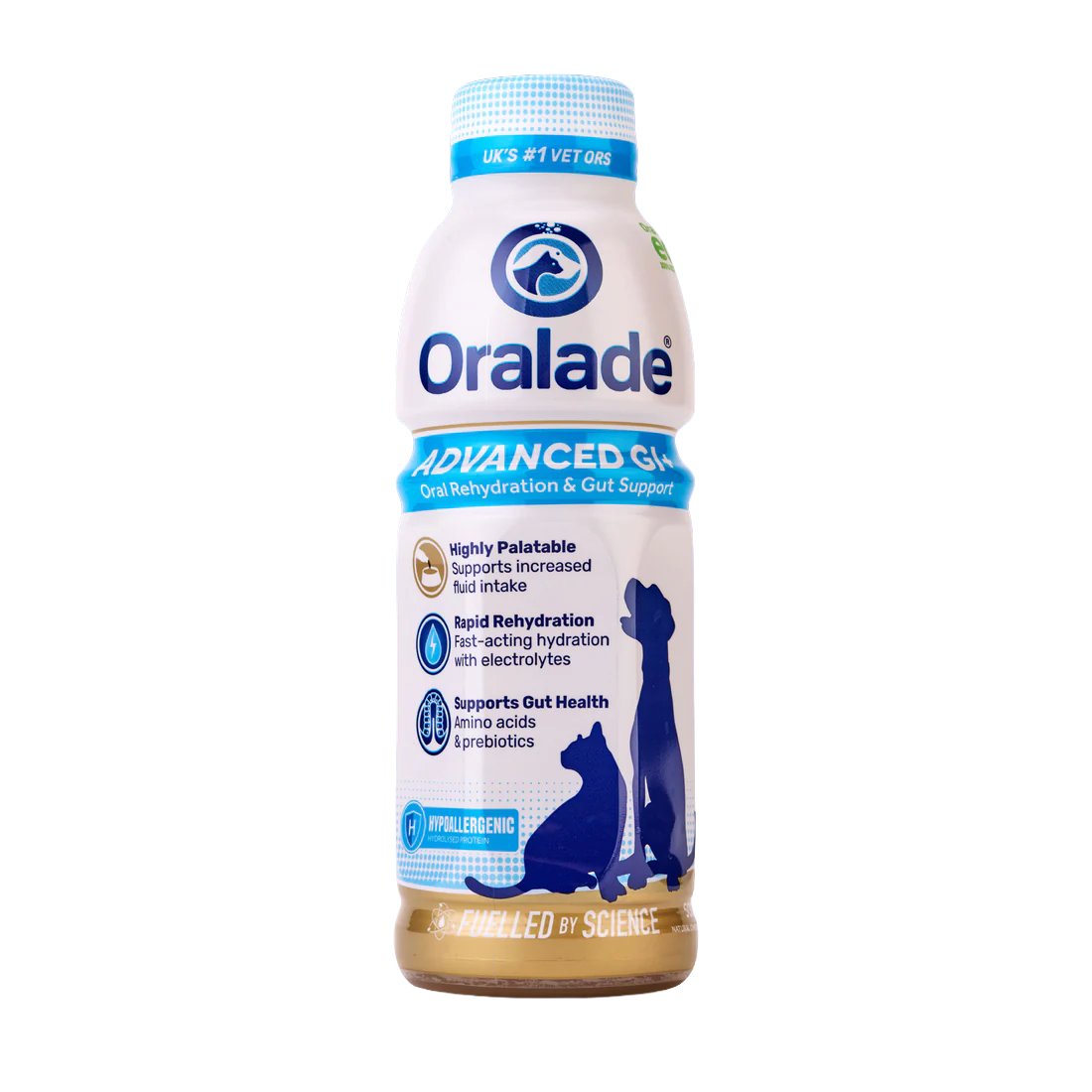
Oralade Advanced GI+