by Sam Williamson, Director, Samaxia Ltd
Antiseptic shampoos are part of everyday life in practice. Whether it’s a recurrent pyoderma case, a Malassezia flare-up, or managing that atopic dog that just won’t quite settle, we’re often reaching for chlorhexidine-based products as part of the plan, and rightly so. They play an important role.
But there’s a question I’ve found myself coming back to more and more when speaking with practices: What happens to the skin after the bath? Not in terms of infection control, we’re generally confident there, but in terms of the skin itself.
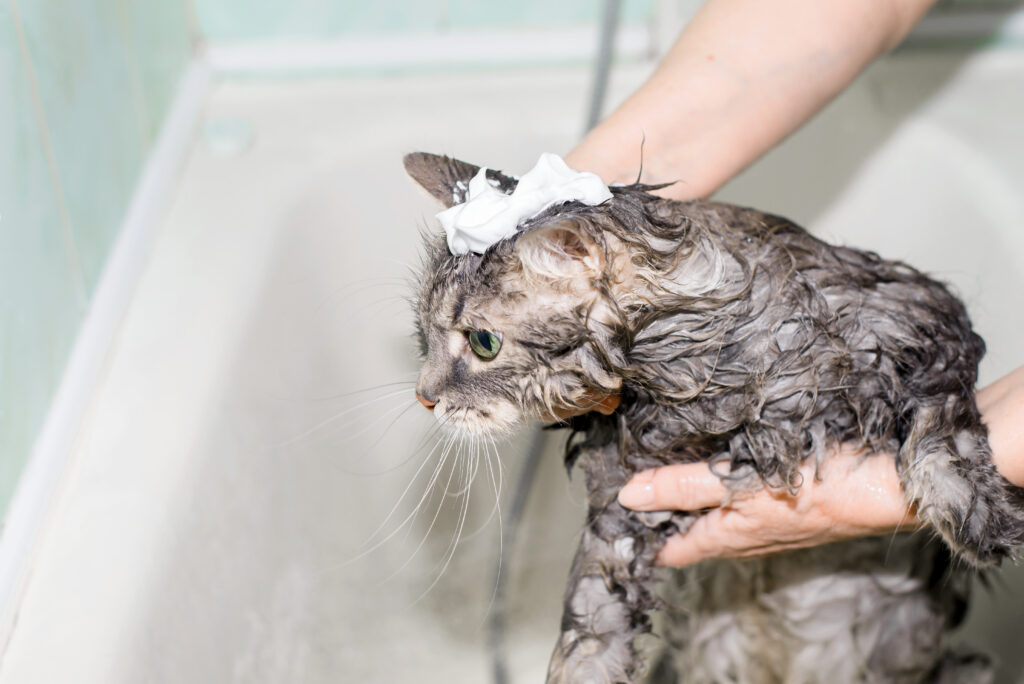
We’re confident in what we’re removing during bathing, but we don’t always think about what the skin needs afterwards.”
The missing piece: hydration
Healthy skin relies on hydration more than we sometimes give it credit for. When the outer layer of the skin, the stratum corneum, is well hydrated, it tends to function as it should. When hydration drops, we start to see the kinds of changes we’re all familiar with: dryness, scaling and reduced flexibility. In some cases, this presents as what we’d broadly describe as xerosis. That reduction in hydration isn’t tied to a single condition. It can be influenced by environment, underlying disease and, in some situations, the treatments we use.
Most dermatology cases aren’t ‘treat and done’, they involve repeat visits, repeat bathing and ongoing owner management at home.”
And in practice, this isn’t a one-off event. Most dermatology cases aren’t ‘treat and done’, they involve repeat visits, repeat bathing and ongoing owner management at home. In many of these cases, antiseptic shampoos are used regularly, sometimes several times a week in the early stages.
So, while we’re (rightly) focused on controlling microbial overgrowth, there’s a secondary consideration in the background:
What does repeated cleansing do to the skin over time?
A study that adds perspective
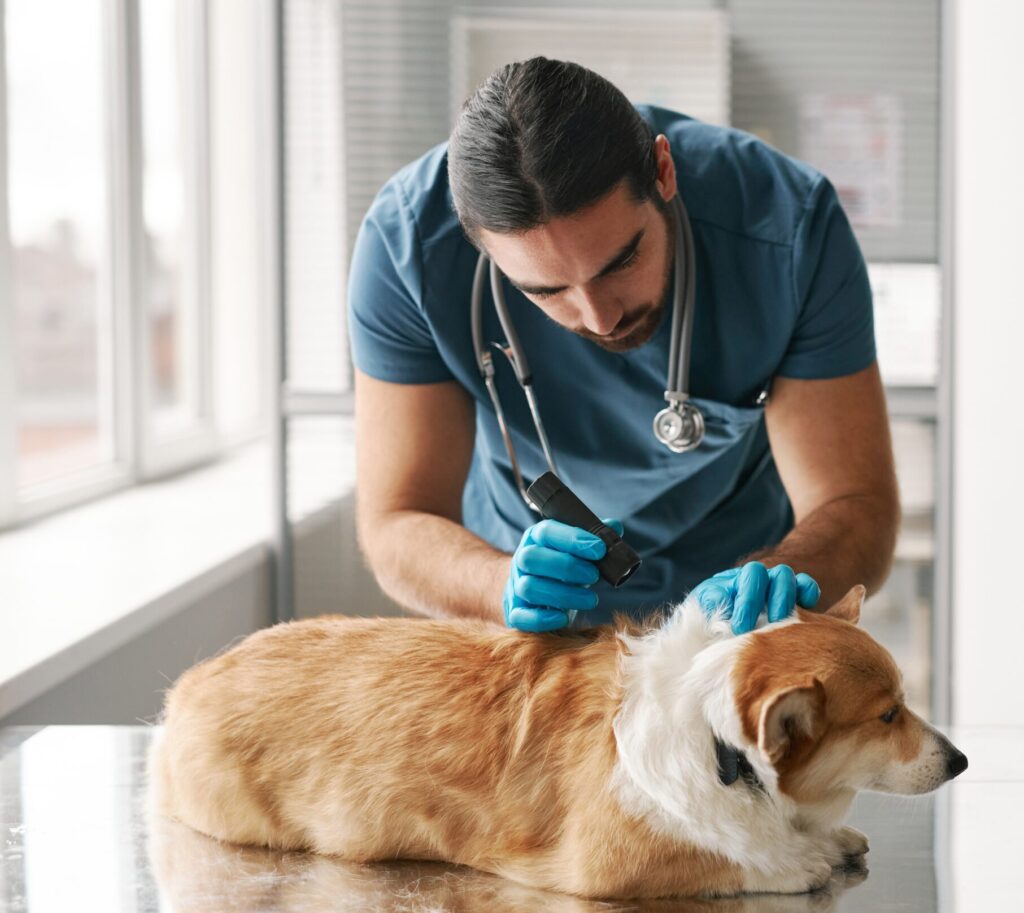
A recent paper in Veterinary Dermatology looked at this in a practical, clinically relevant way. Using a standard bathing protocol with a 2% chlorhexidine / 2% miconazole shampoo, the kind of approach many of us are familiar with, researchers assessed skin hydration in a group of healthy dogs.
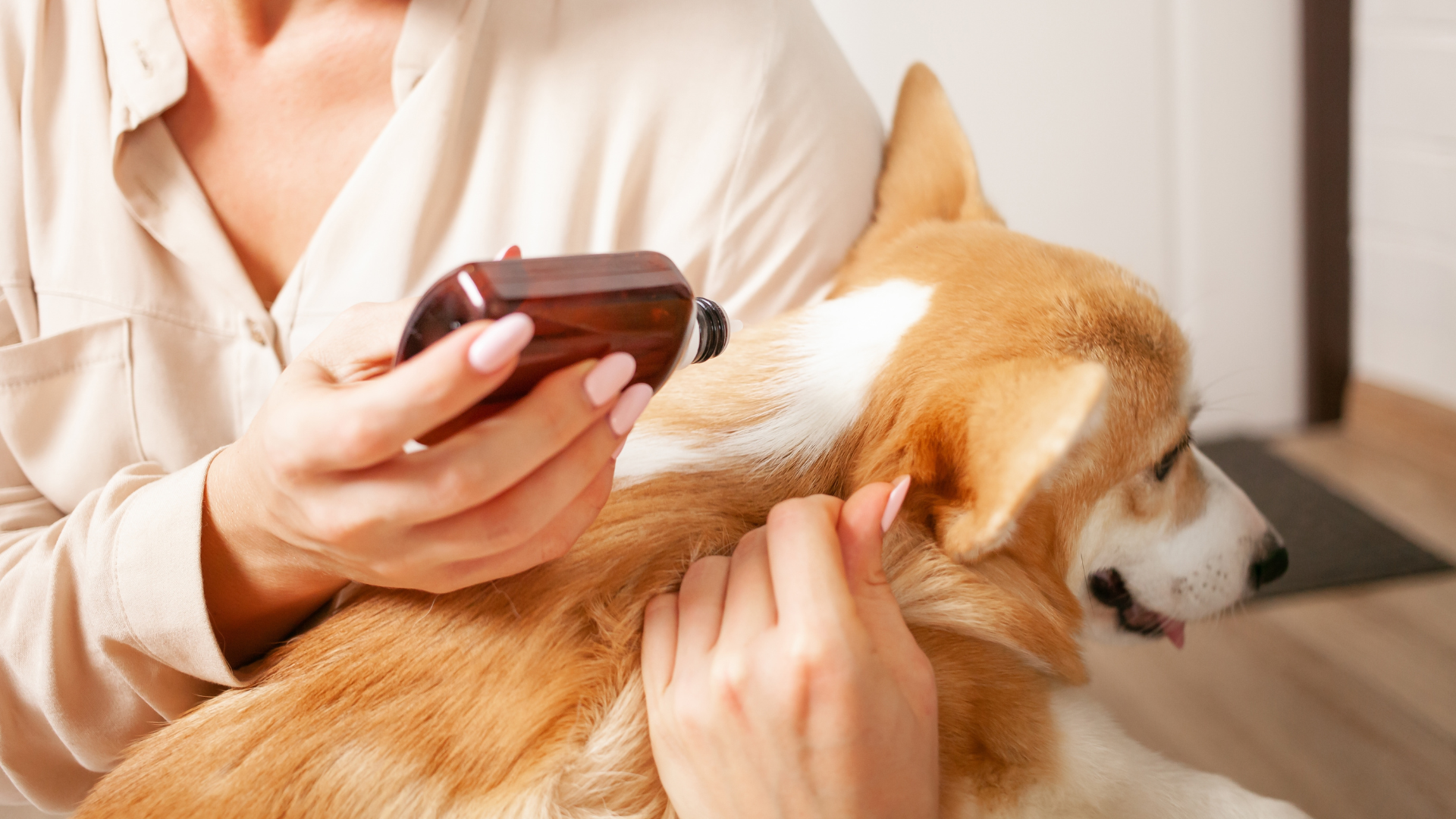
A moisturising spray was then applied to one side of the dog, with the other side acting as a comparison. What they were measuring was simple: skin hydration.
What they found, and why it matters
The results were telling:
- The shampoo alone didn’t significantly change skin hydration
- Where the spray was used, hydration increased
- That increase occurred fairly quickly, within 1–2 hours
- It peaked at around 6 hours
- Elevated hydration was maintained for at least 24 hours
Importantly, no treatment-related adverse effects were reported.
Hydration didn’t change with shampoo alone, but increased within hours when a moisturising spray was used.”
The study was carried out in healthy dogs, not dermatology cases, and that’s important to keep in mind. But it offers a clearer picture of what can happen at skin level following bathing, and how hydration can be influenced.
When you look at this in a real-world context, it starts to feel relevant. In practice, we’re often managing compromised skin, repeated interventions and owners trying to maintain control between visits. While antimicrobial control remains the priority, it’s not the only factor at play.
Skin condition, how it looks, feels and responds, matters too. Dry, flaky or uncomfortable skin is something owners notice quickly, even if they can’t always describe it in clinical terms.
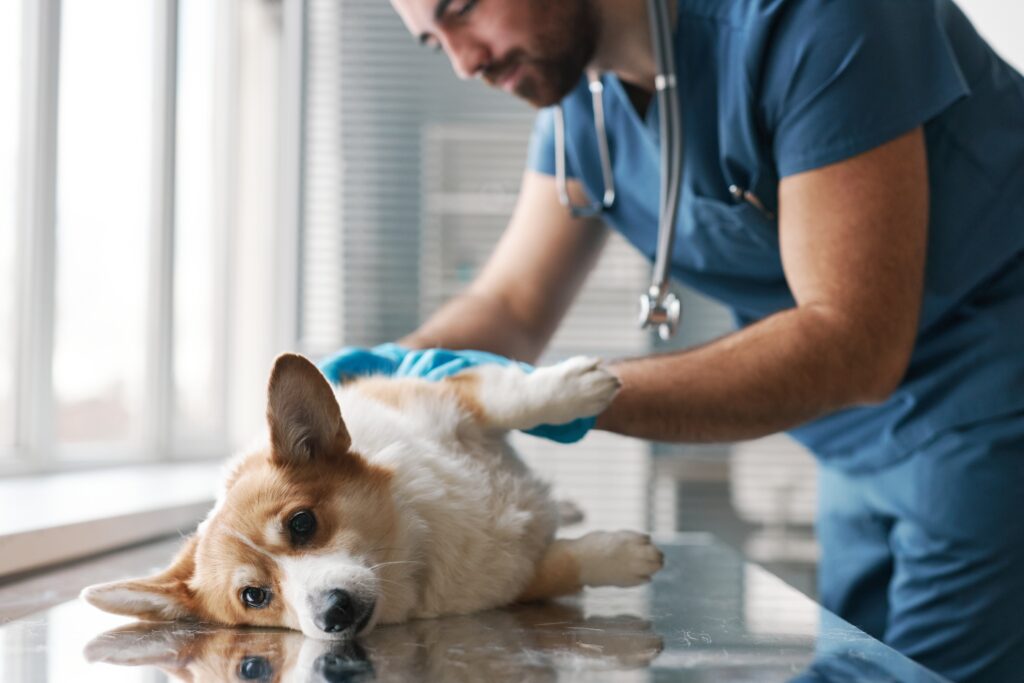
Where hydration fits in practice
This isn’t about overcomplicating things. If anything, it’s about stepping back and asking whether there’s a simple way to support the skin alongside what we’re already doing.
In human dermatology, the role of moisturisers in maintaining skin condition is well established, particularly in longer-term skin issues. In veterinary medicine, it’s something that’s starting to come up more in conversation, but isn’t always built into routine protocols. And if you’re anything like the practices we speak to, that question tends to come up sooner or later.
A helpful way to think about it is in terms of sequence: Cleanse → Manage → Support the skin
That final step, what happens after the bath, is often the one that gets missed. Not in every case, and not as a rule, but it may be worth considering where:
- Bathing is frequent
- Skin condition is variable
- Owners are managing cases at home between visits
Sometimes the infection improves, but the skin still doesn’t look or feel right.”
How hydration-support products work
Products designed to support skin hydration tend to work in a few different ways, often in combination:
- Humectants help to attract moisture into the skin
- Occlusive agents help to reduce water loss
- Lipids support the structure of the skin barrier
You’ll often see ingredients like glycerine, urea, ceramides, and plant-based lipids used for this reason. The aim isn’t to treat or prevent disease, but to support overall skin condition.
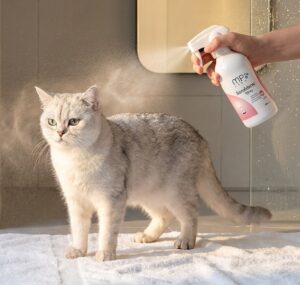
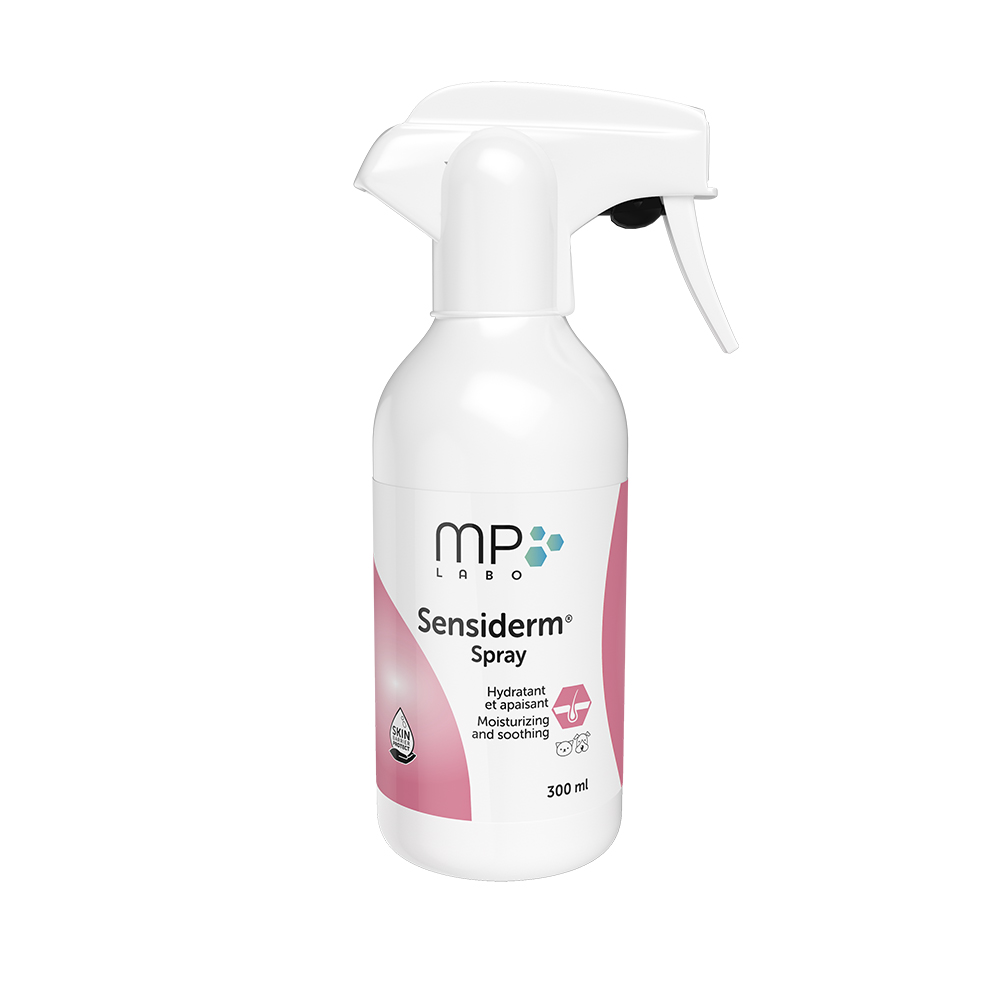
Sensiderm Spray
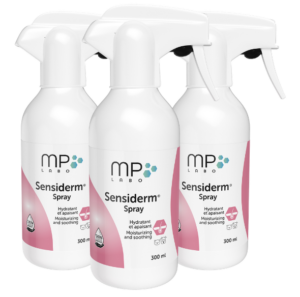
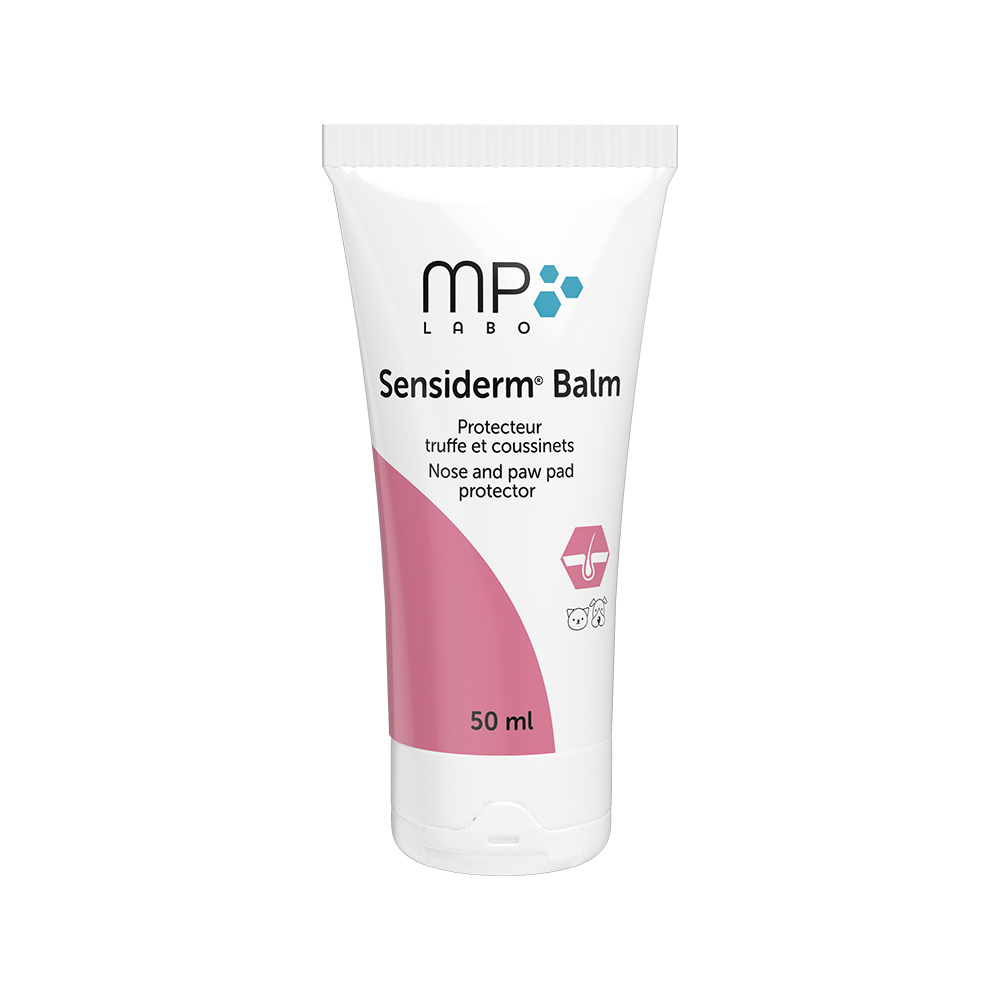
Sensiderm® Spray combines humectants, occlusive agents and physiological lipids. In the study mentioned earlier, a formulation of this type was associated with increased skin hydration in healthy dogs following bathing.
As always, suitability will depend on the individual case and clinical judgement.
Discover more about Sensiderm® Spray
Keeping things balanced
It’s important to be clear, this isn’t about changing what already works. Antiseptic shampoos remain a core part of dermatology protocols, and the study referenced here was carried out in healthy dogs, not clinical cases. The findings should be interpreted in that context.
But it does highlight something easy to overlook:
- Skin hydration can be influenced following bathing
- And it’s something we can influence
Final thought
Dermatology is one of those areas where small adjustments can make a noticeable difference, particularly in longer-term cases. This isn’t about adding complexity. If anything, it’s about asking a slightly different question:
After we’ve done the important job of cleansing, what does the skin need next?
Key takeaways
- Antiseptic bathing remains a core part of dermatology protocols
- Skin hydration plays an important role in overall skin condition
- Hydration levels can be influenced following bathing
- Supporting the skin environment may be worth considering in repeat or long-term cases
Bringing this into practice: Lunch & Learn sessions

One of the consistent themes we hear from practices is that the challenge isn’t a lack of options, it’s how everything fits together in day-to-day use.
Samaxia’s Lunch & Learn sessions are designed with that in mind. These relaxed sessions support the whole practice team, vets, nurses and support staff, by stepping back and looking at how dermatology cases are managed in reality.
Typically, they cover:
- Where challenges tend to arise in longer-term cases
- How non-prescription products can support clinical treatment plans
- Simple ways to improve consistency and owner compliance
There’s no hard sell, just a practical conversation based on what’s working, what’s not and what’s being seen across other practices.
Sessions can be delivered in practice or virtually, offering a useful opportunity to sense-check current approaches and pick up a few practical ideas along the way.
To request a Lunch & Learn session, contact the Samaxia team directly.

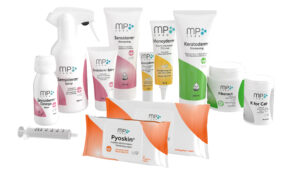
Samaxia offers a range of non-prescription products including skin care, dental hygiene, digestion support, supplements, neutraceuticals and eye care.
They have recently launched the innovative Sani-99 for Vets, a DEFRA-approved surface and hand disinfectant designed to provide an effective and more sustainable approach, being powder-based and free from chlorine, alcohol and fragrances.
Discover more Samaxia products
More about the author:
Sam Williamson, Director, Samaxia Ltd

With over 25 years’ experience across the veterinary and pharmaceutical sectors, Sam founded Samaxia to address a clear gap in the market: practical, high-quality, science-backed pet health and practice products that genuinely support veterinary teams in everyday practice. Samaxia is a family-run business based in Lincoln, where Sam works alongside her son, Max, and her sister, Sue. Together, they are building a business that puts customers first by delivering solutions that are effective, easy to use, and mindful of their impact on pets, people and the planet.
The article was originally posted in The Cube magazine, June 2026 issue. Click here to read the magazine.
Related products
Sensiderm Spray
Sensiderm Shampoo