Digestive Health and Support
Discover the importance of maintaining optimal gut health for both dogs and cats with our hub to digestive health.
Welcome to NVSWeb! To order NVS products, please sign into NVS Online. Not a customer yet? Register today
Discover the importance of maintaining optimal gut health for both dogs and cats with our hub to digestive health.
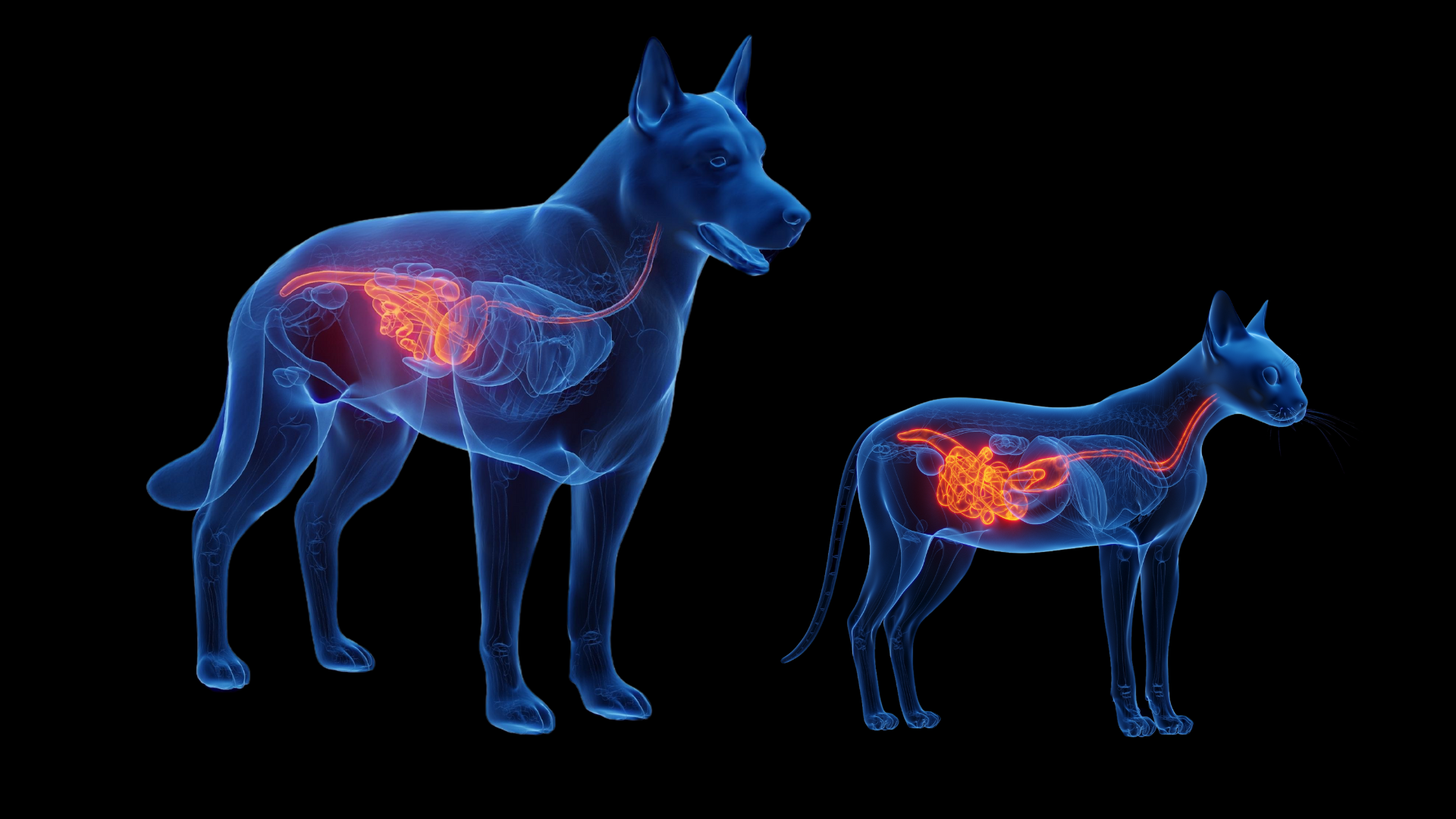
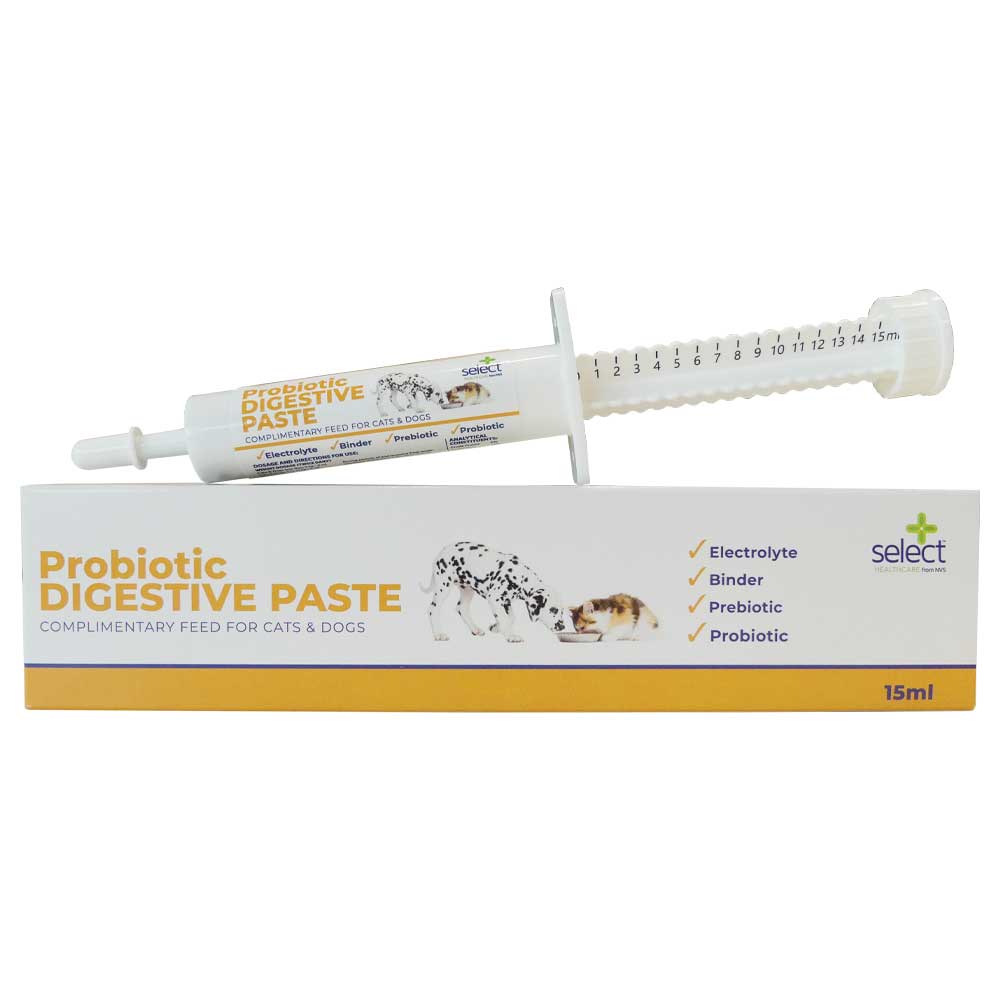
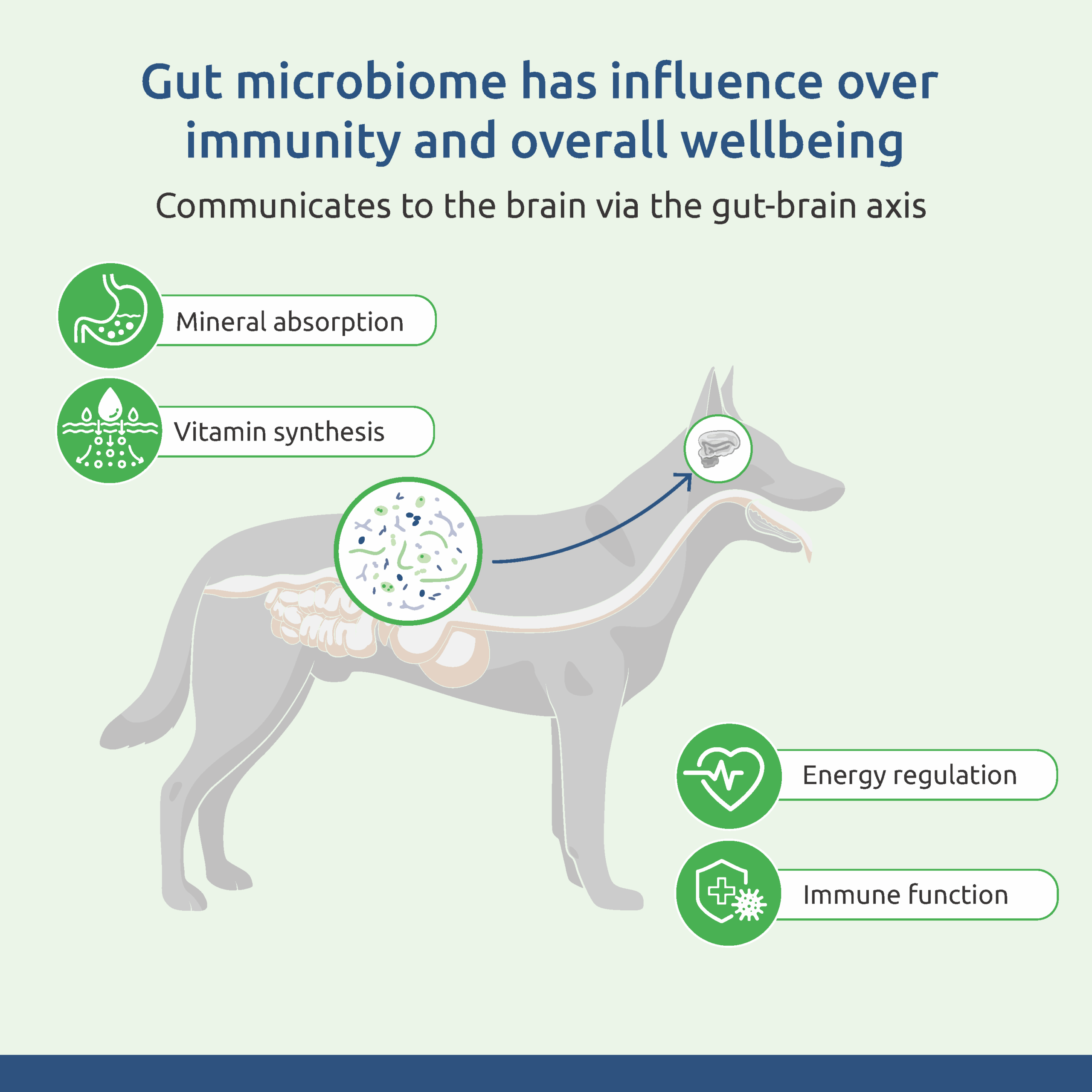
Digestive health is key to a pet’s overall well-being, affecting immunity, nutrient absorption, behaviour, and skin. Central to this is the gut microbiome, a complex system that plays a major role in maintaining digestive balance. However, good gut health also depends on understanding specific digestive functions. This hub explores essential topics including the intestinal mucosa, digestive needs of puppies and kittens, managing hairballs and anal glands, responding to toxin ingestion, and treating acute diarrhoea—offering a well-rounded approach to supporting pets’ digestive systems.
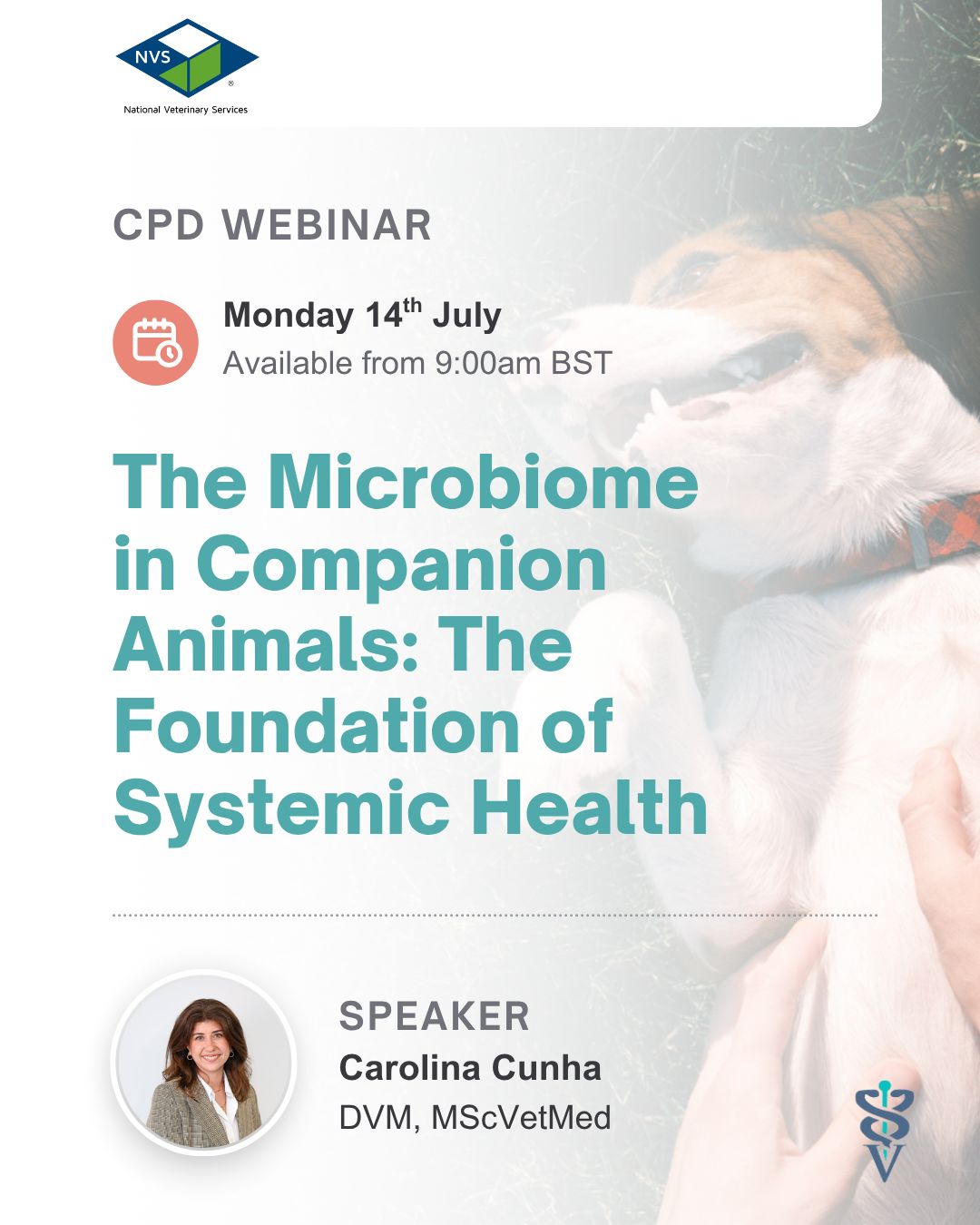
Watch the digestive health webinar on the Webinar Vet to discover the best ways to maintain and support good digestive health in both dogs and cats.
Listen on your favourite platforms:



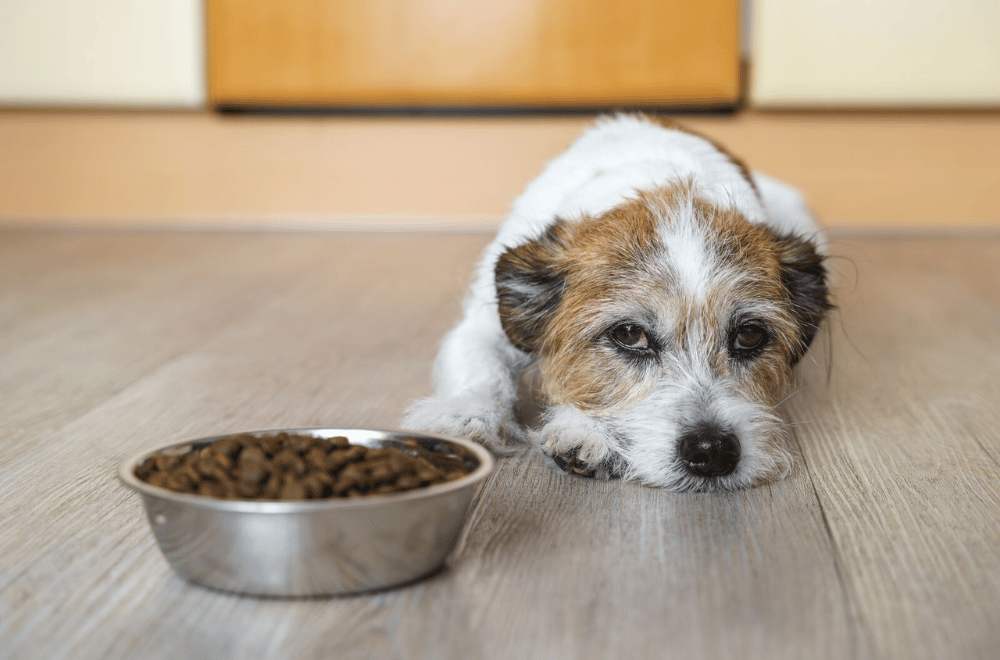
Along with the microbiome, it is also important to consider the physical structure of the gut, when thinking about digestive health.
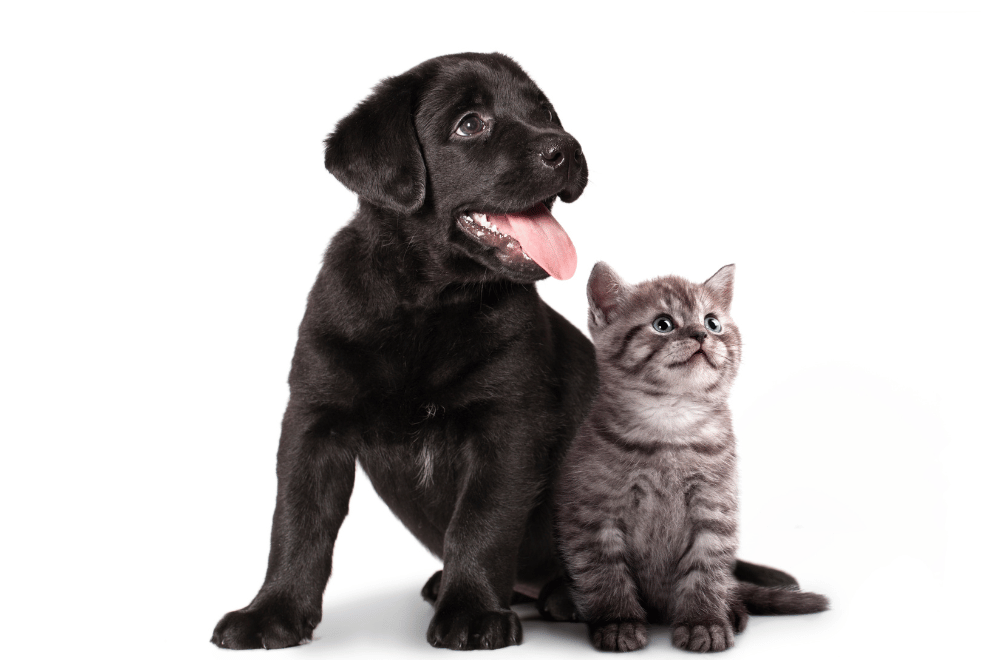
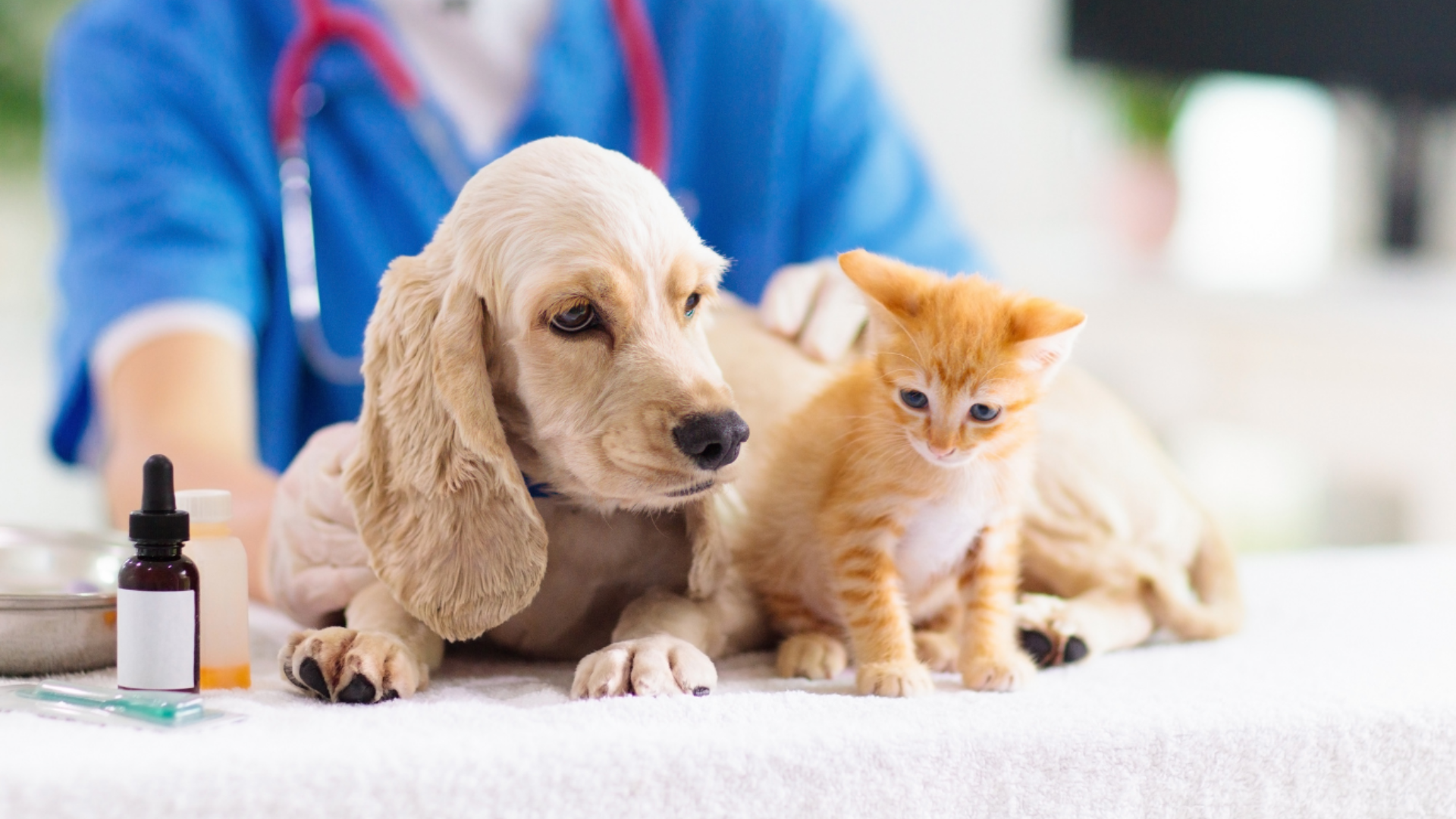
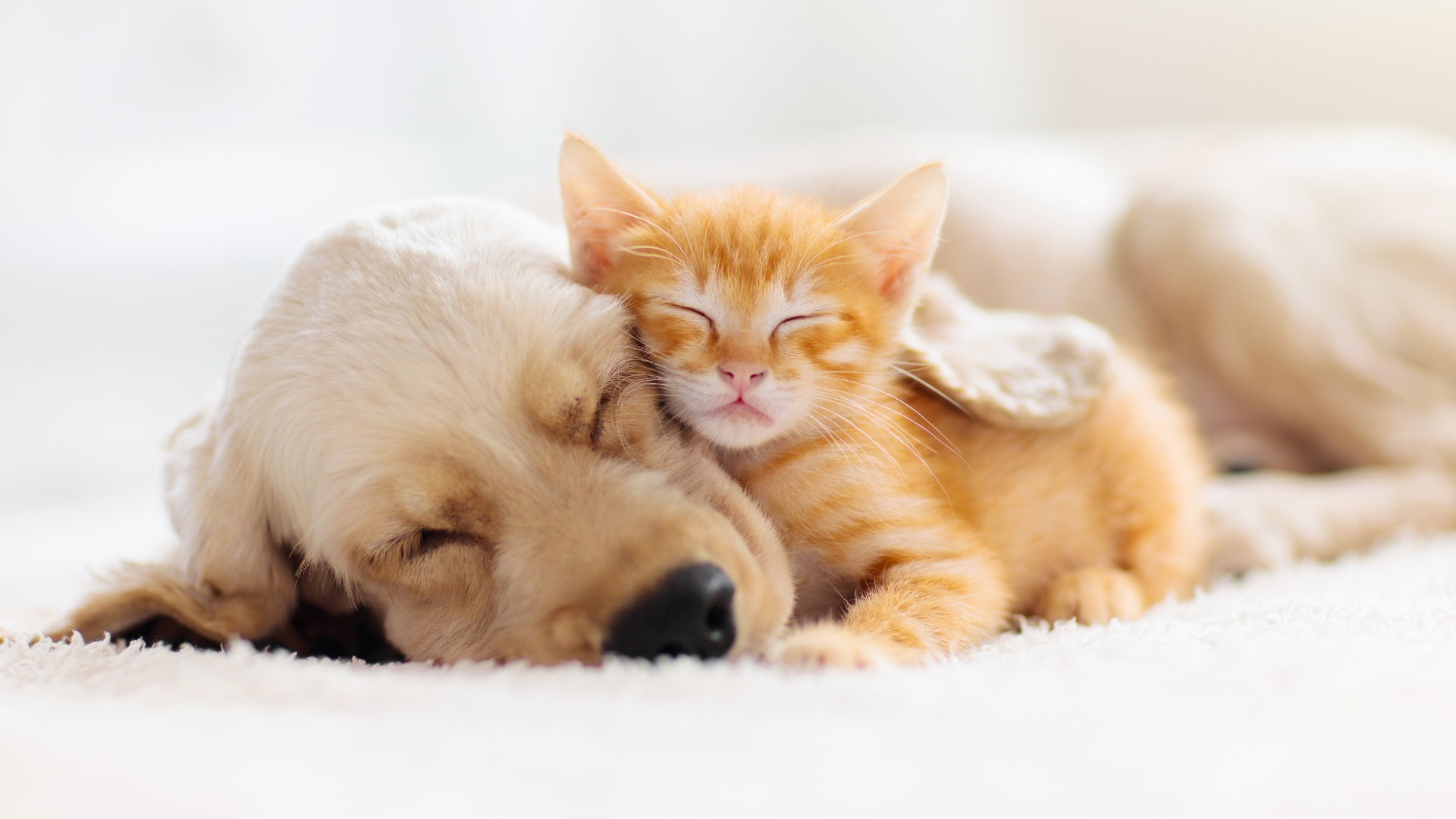
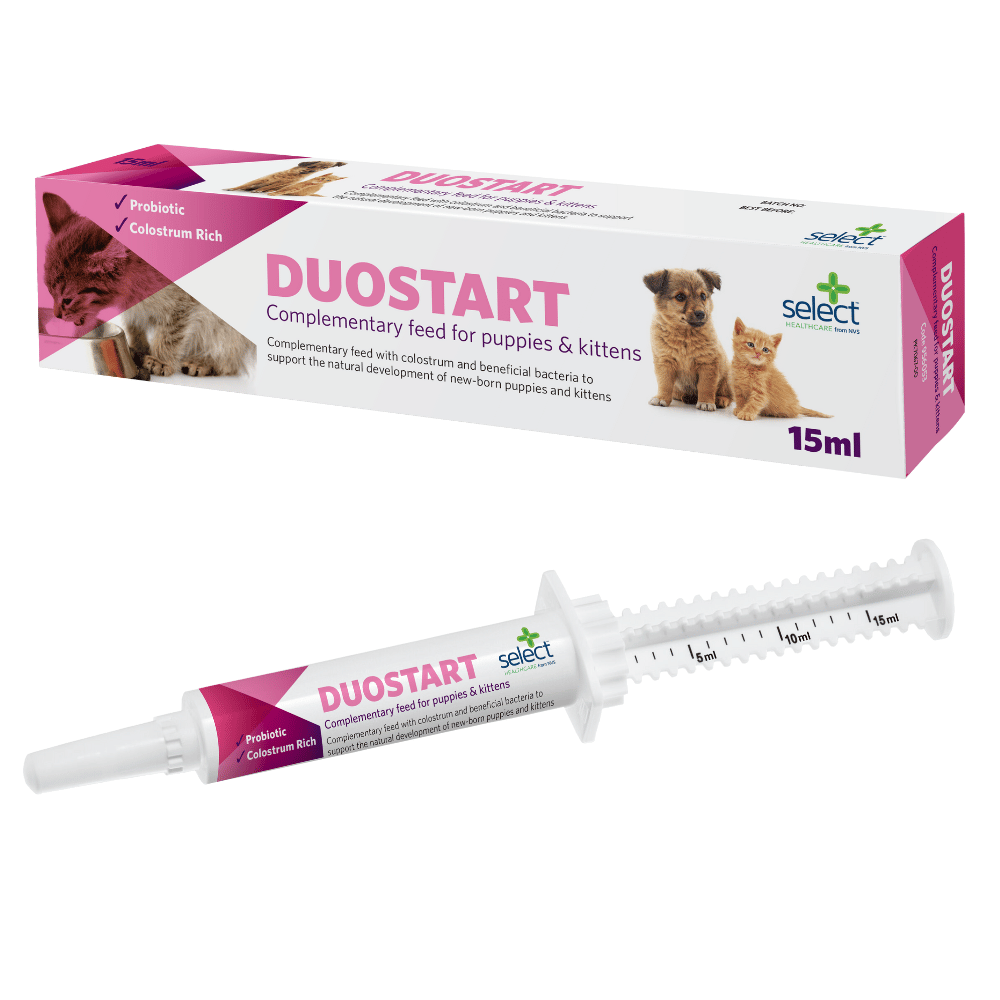
The early weeks and months of life are a critical window for immune development in both puppies and kittens as they transition from passive protection inherited from their mother to forming their own robust gut microbiome.
Along with the microbiome, it is also important to consider the physical structure of the gut, when thinking about digestive health.
The early weeks and months of life are a critical window for immune development in both puppies and kittens as they transition from passive protection inherited from their mother to forming their own robust gut microbiome.
Listen on your favourite platforms:
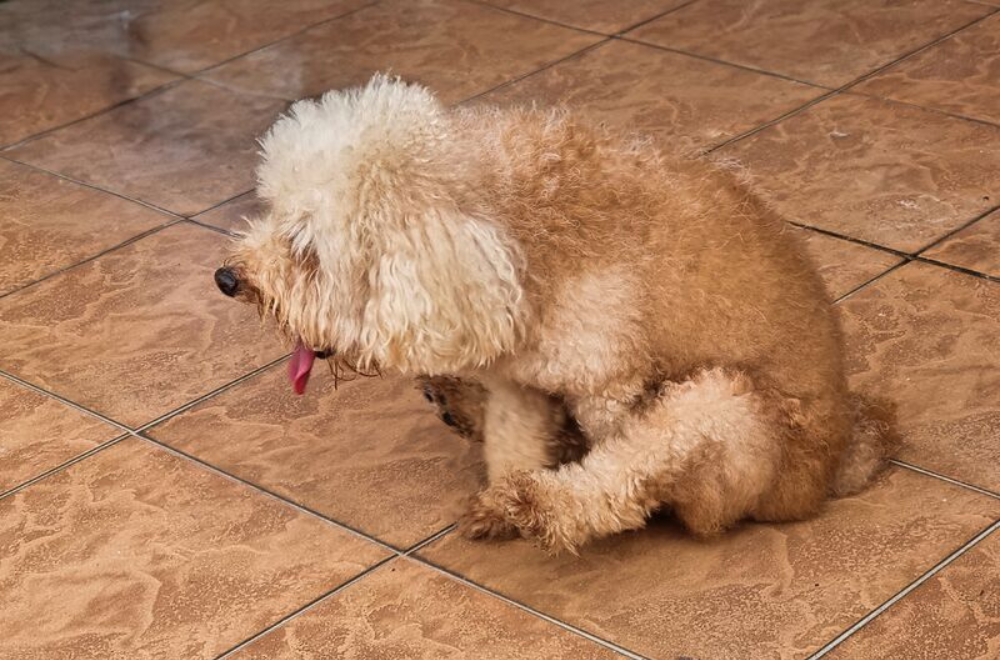
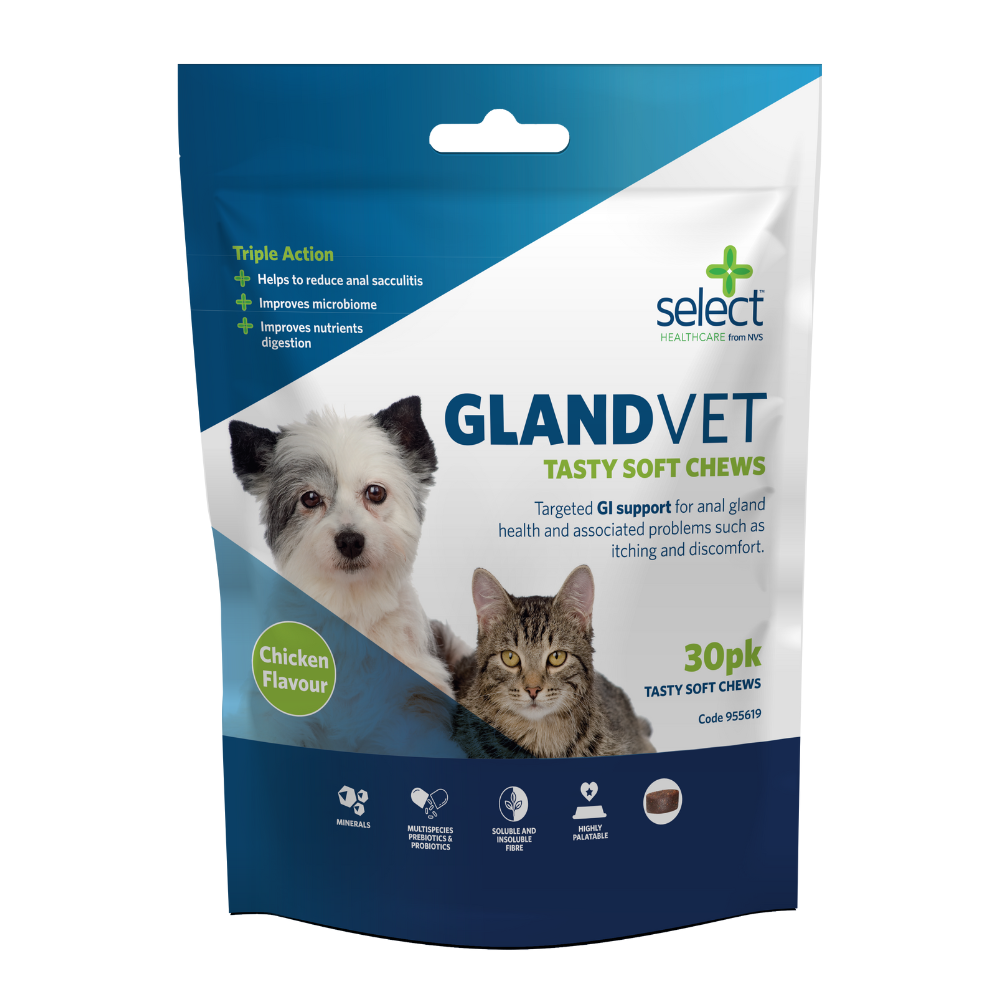
Impacted or dysfunctional anal glands are a frequent concern in small animal practice, particularly in dogs affecting up to 12% of all canines, and occasionally in cats as well.
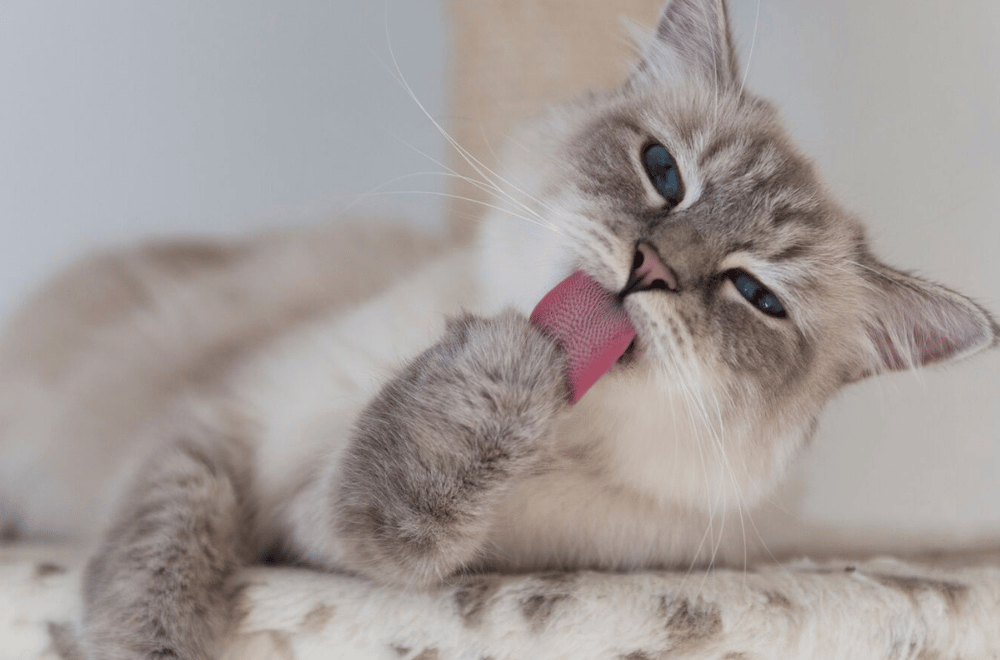
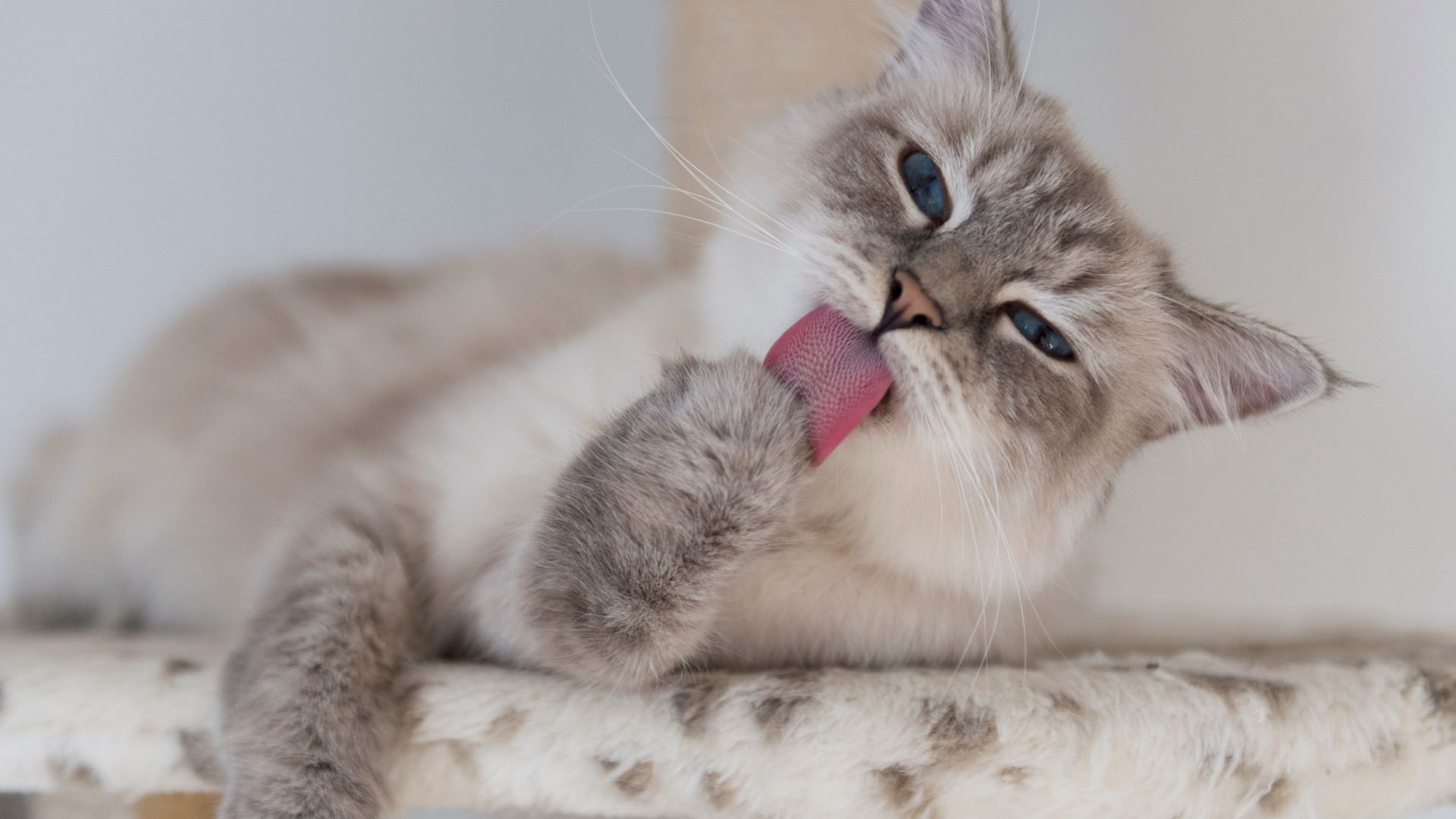
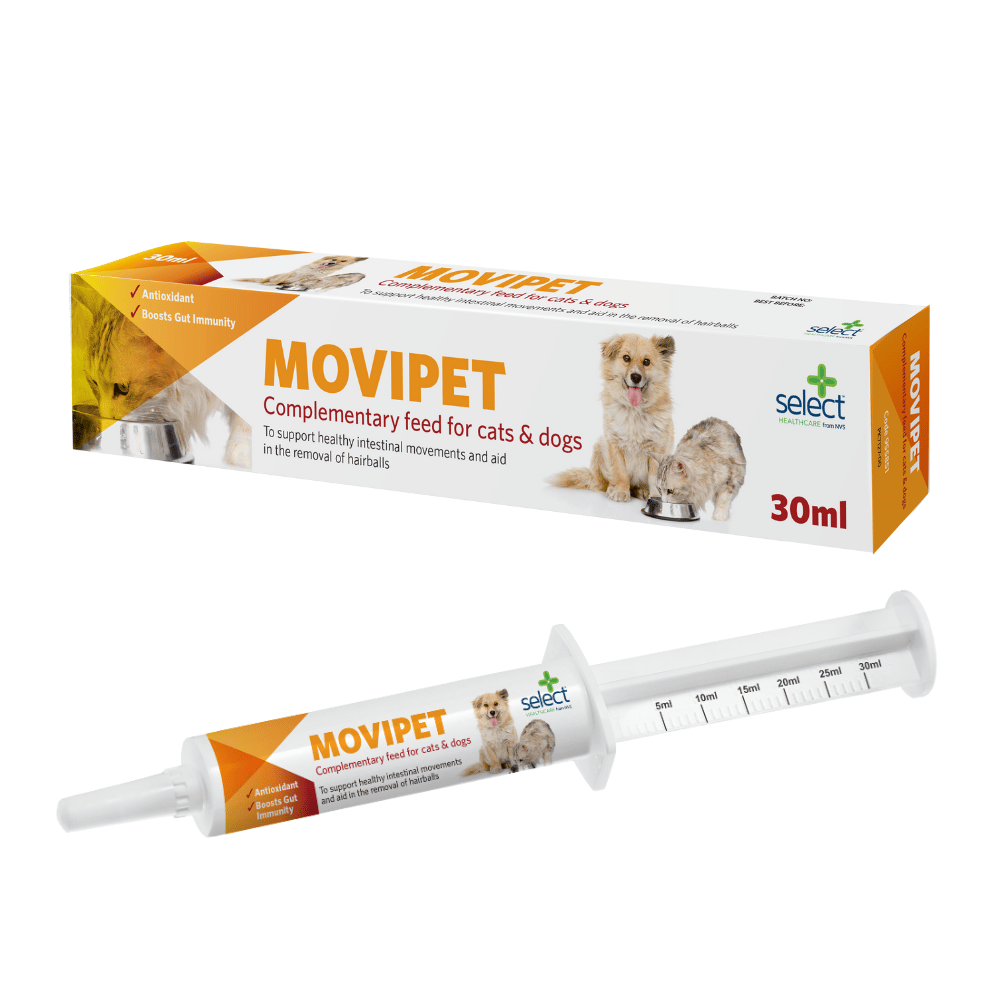
As natural groomers, cats ingest a significant amount of hair during routine licking. Normally, this hair passes through the gastrointestinal tract and is eliminated in the faeces. However, this isn’t always the case.
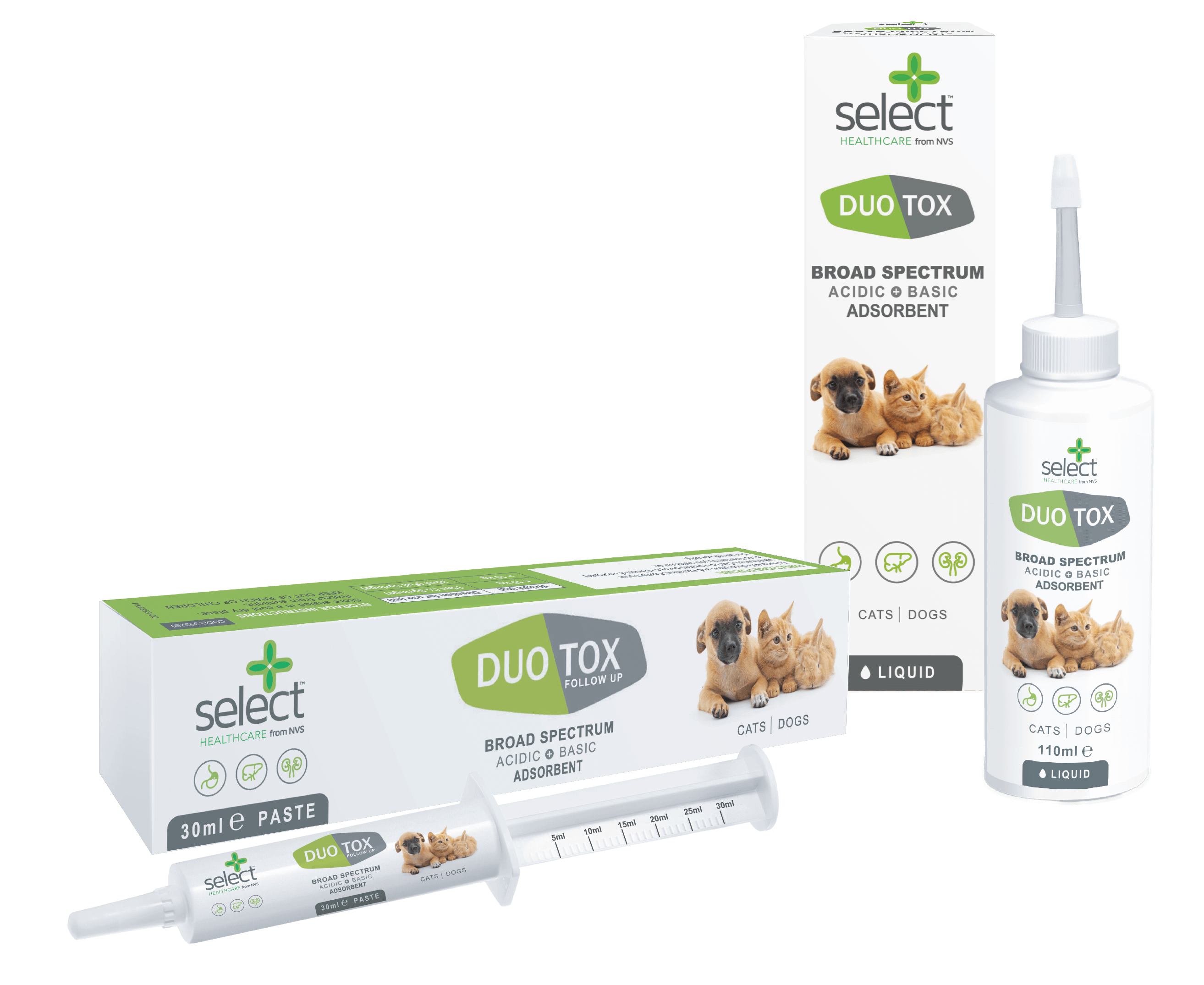
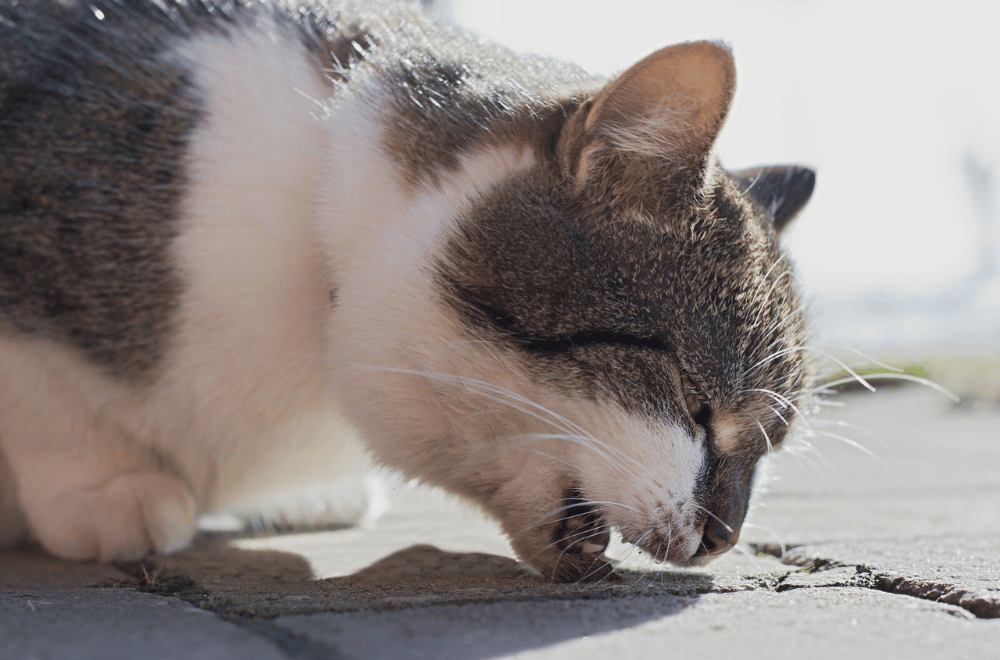
Toxin ingestion is one of the most common emergency presentations in veterinary practice and cases can range from mild to life-threatening within a matter of hours.
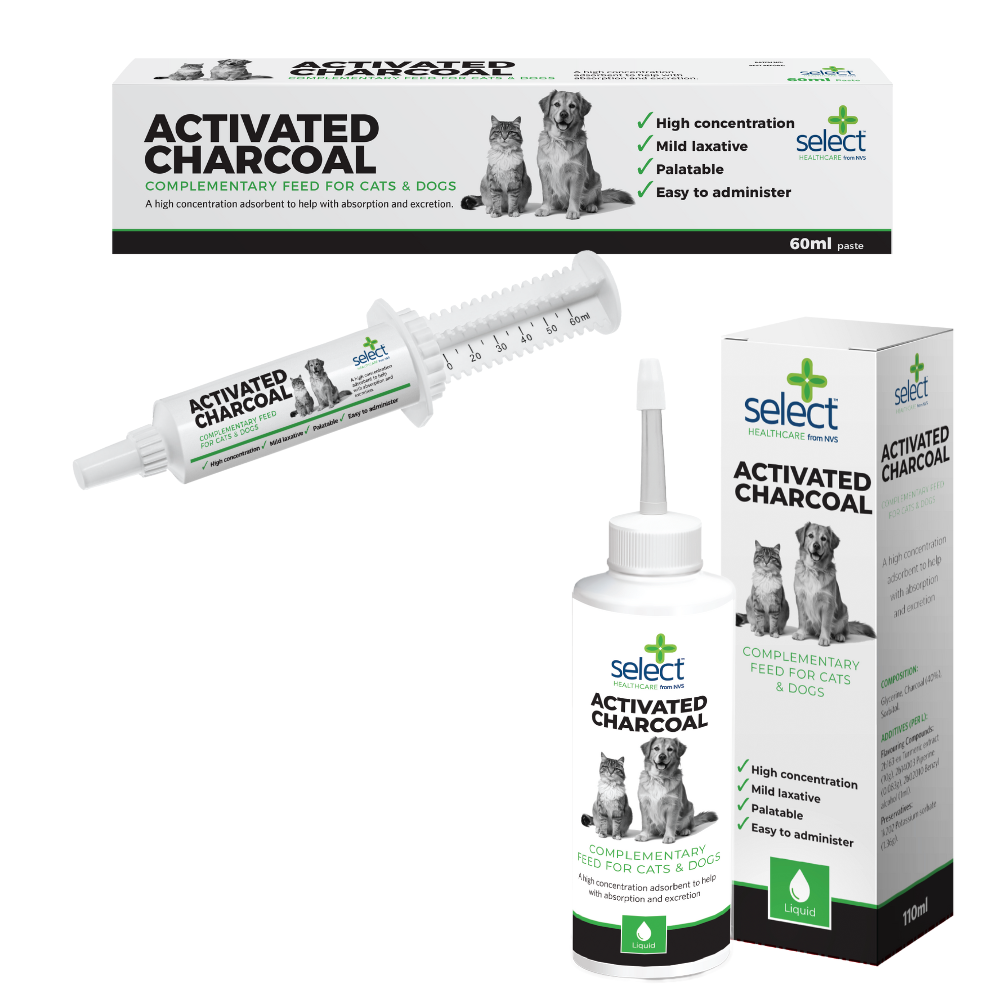
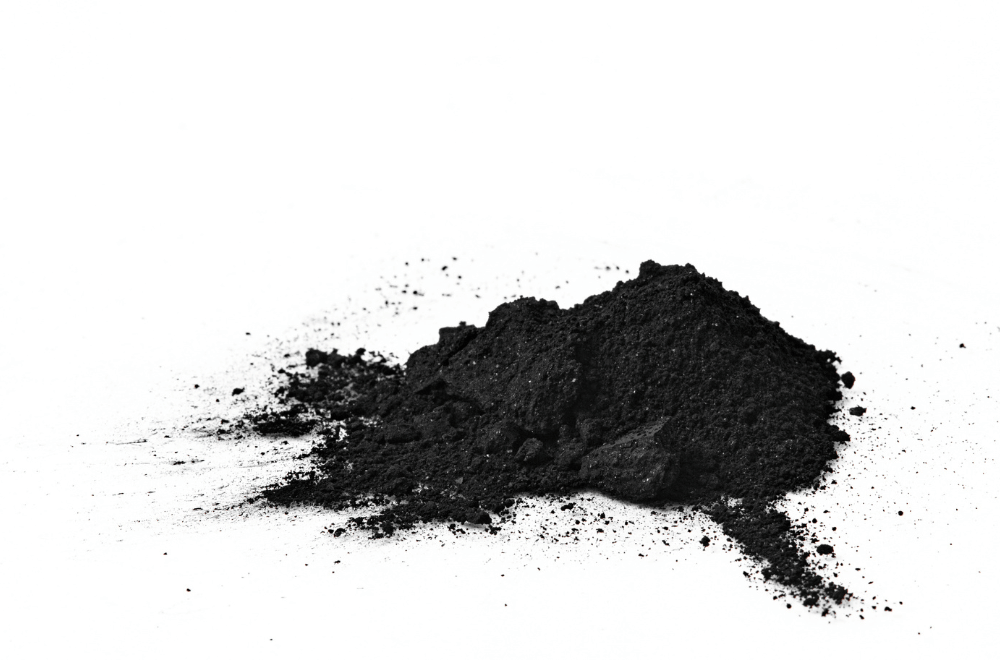
Adsorbents work by binding an unwanted substance in the gut to reduce the amount available for absorption onto the system. The bound substance then travels through the gut an is excreted in the faeces.
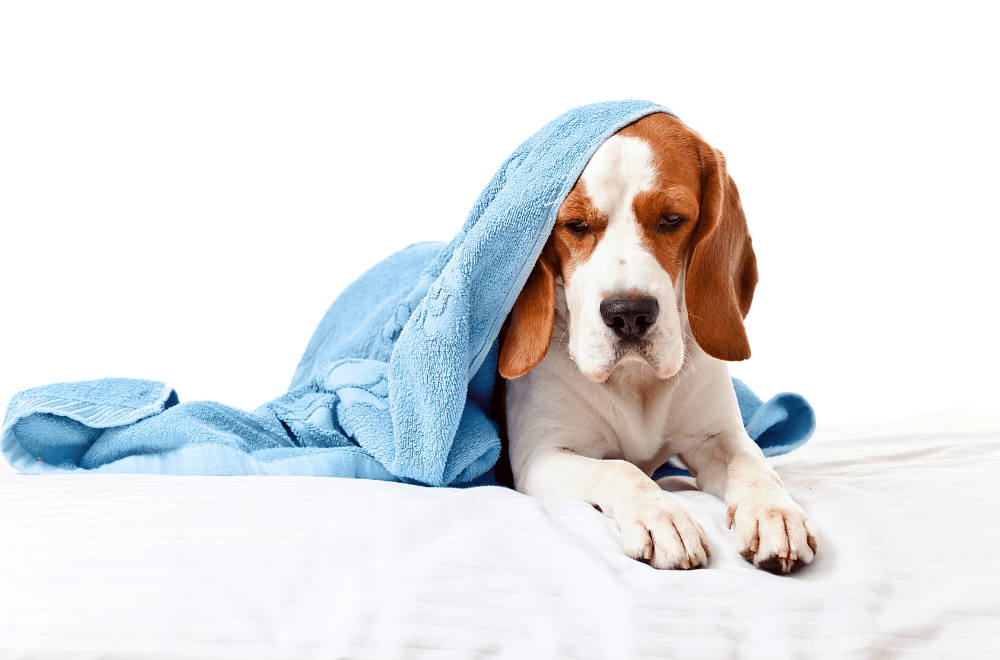
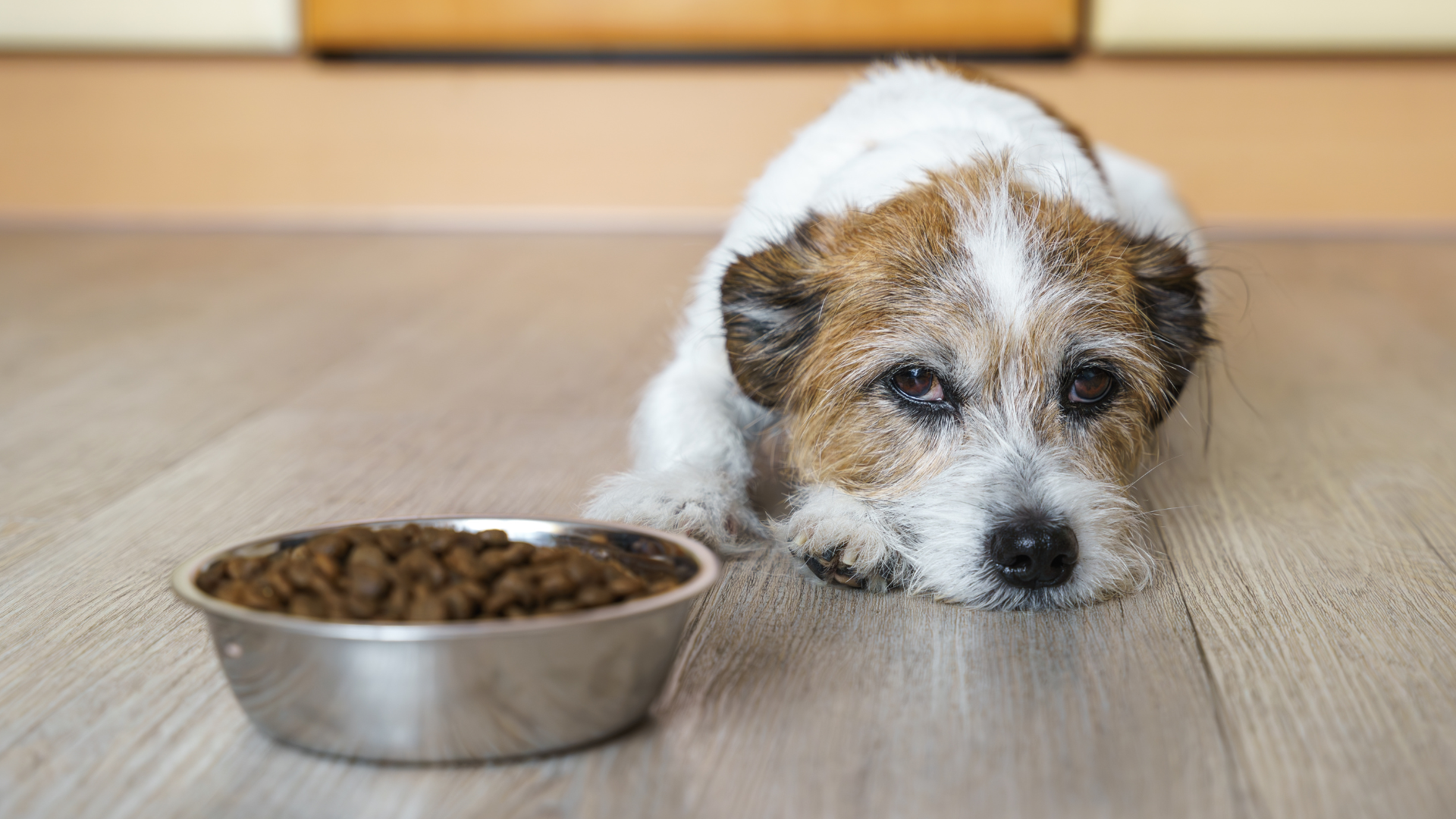
Gastrointestinal disorders are another highly seen condition, with the prevalence of enteropathies in dogs reported to be 10% and in cats approximately 8.5%.
Impacted or dysfunctional anal glands are a frequent concern in small animal practice, particularly in dogs affecting up to 12% of all canines, and occasionally in cats as well.
As natural groomers, cats ingest a significant amount of hair during routine licking. Normally, this hair passes through the gastrointestinal tract and is eliminated in the faeces. However, this isn’t always the case.
Toxin ingestion is one of the most common emergency presentations in veterinary practice and cases can range from mild to life-threatening within a matter of hours.
Adsorbents work by binding an unwanted substance in the gut to reduce the amount available for absorption onto the system. The bound substance then travels through the gut an is excreted in the faeces.
Gastrointestinal disorders are another highly seen condition, with the prevalence of enteropathies in dogs reported to be 10% and in cats approximately 8.5%.
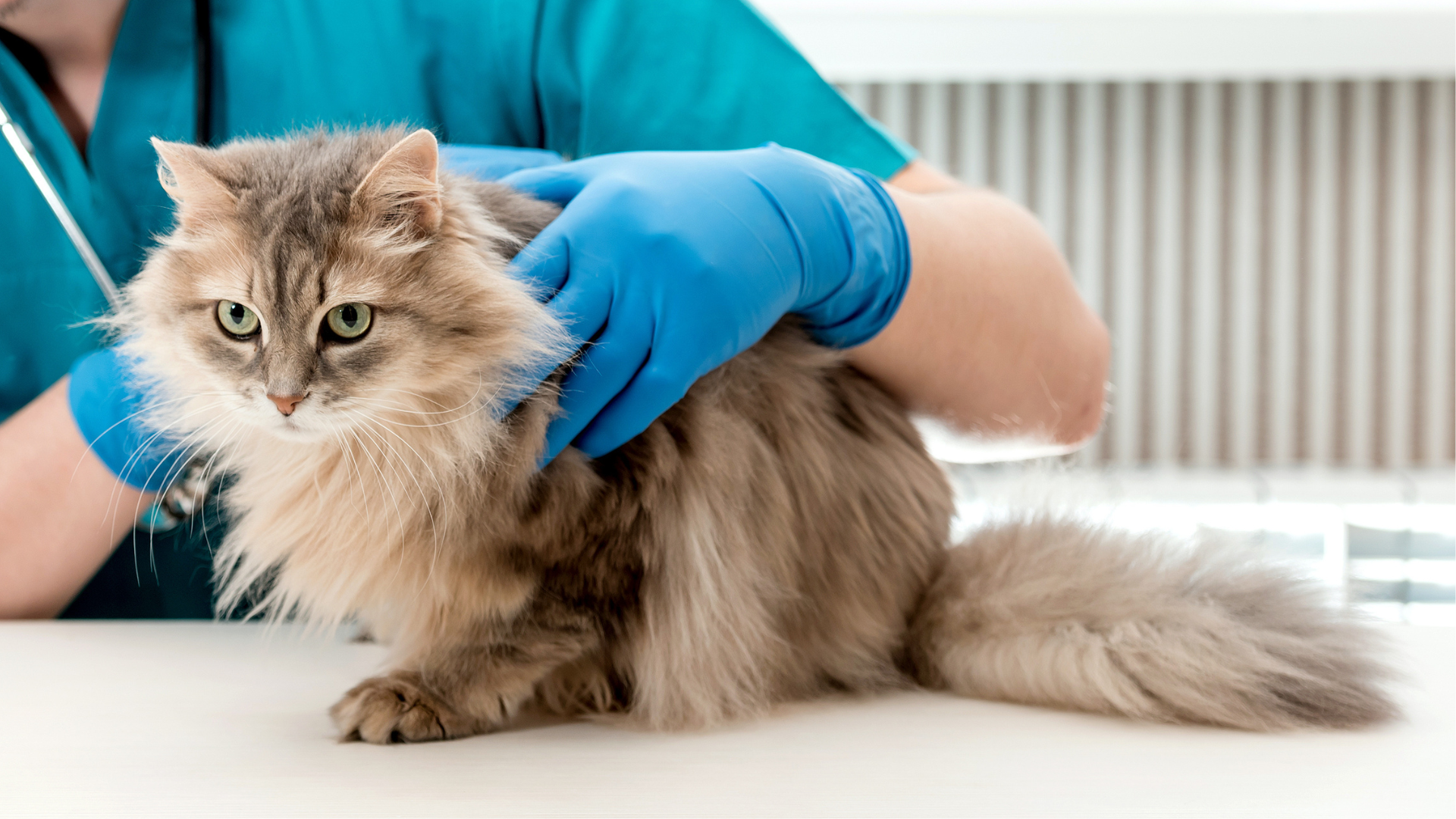
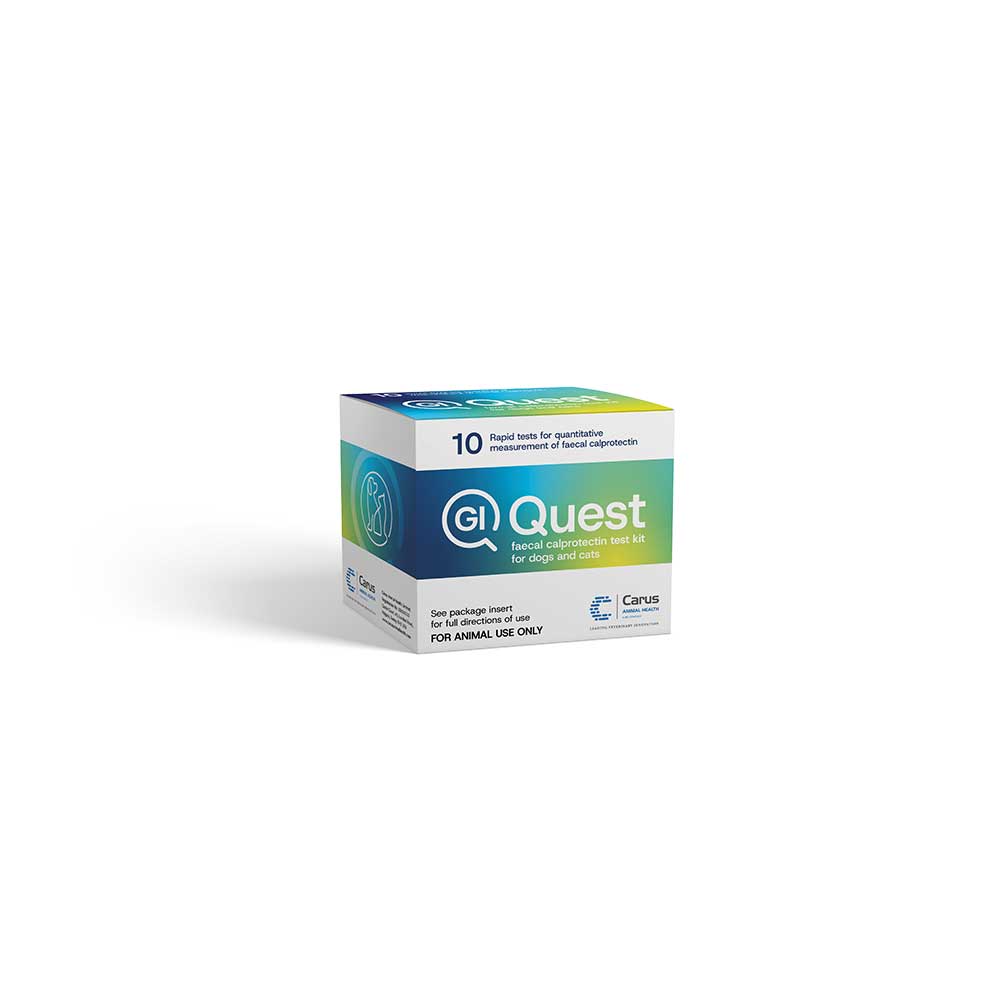
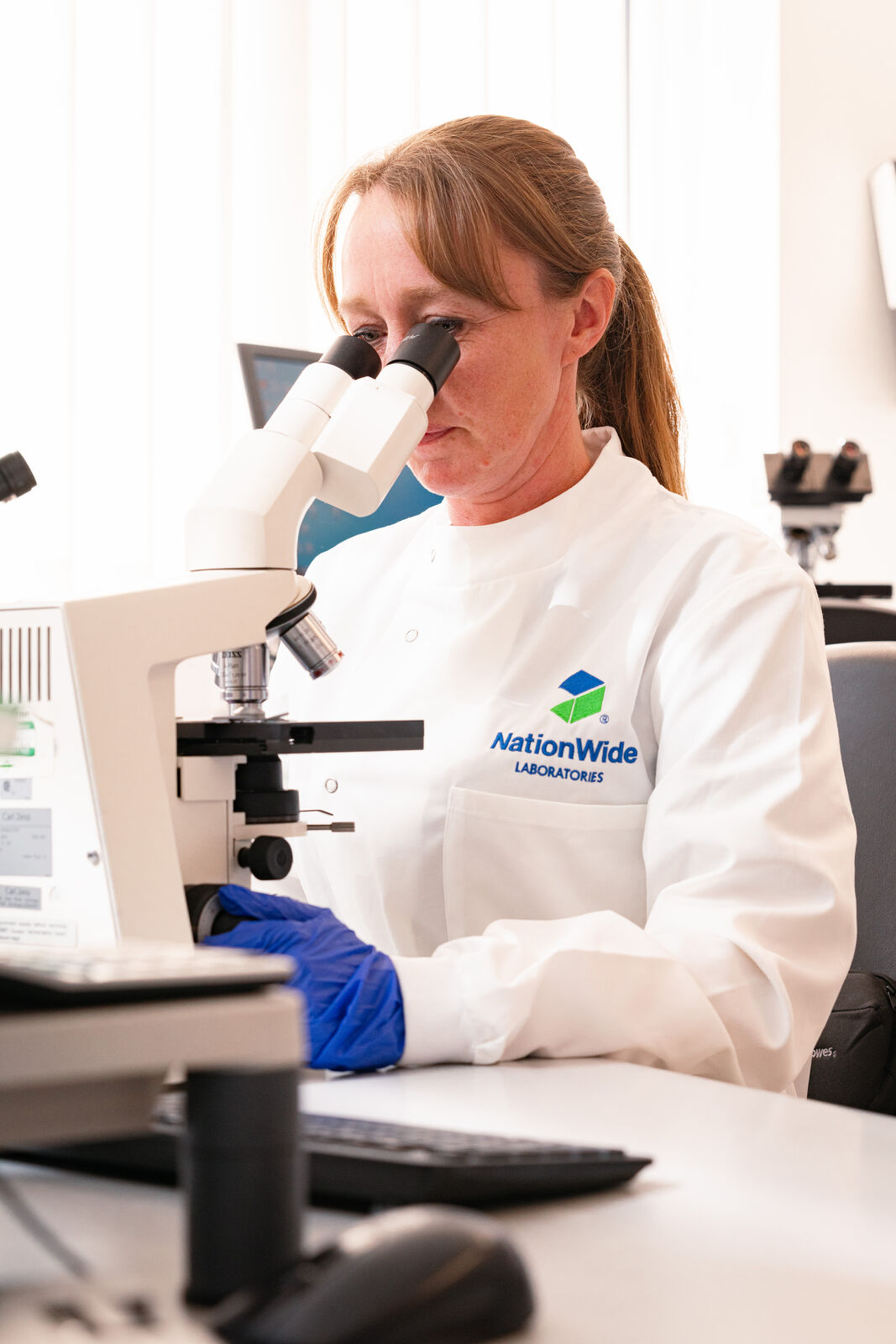
Digestive health plays a vital role in the overall wellbeing of animals, and identifying gut-related issues early can make a significant difference in treatment outcomes. Faecal testing is a key diagnostic tool that helps uncover underlying causes of gastrointestinal symptoms, from parasitic infections to imbalances in gut flora. Through our sister company, NationWide Laboratories, NVS offers access to a comprehensive range of faecal tests designed to support accurate diagnosis and effective treatment planning. Explore the options available and learn why faecal testing is an essential step in managing digestive health.
The microbiome is incredibly important and understanding how it links multiple systems is advantageous when approaching cases of digestive upset. It is still vitally important however, to consider the unique demands and challenges of each part of the digestive system and have the tools to support pets in all aspects of digestive health.