by Gemma Vardy, Senior Category Specialist, Select from NVS
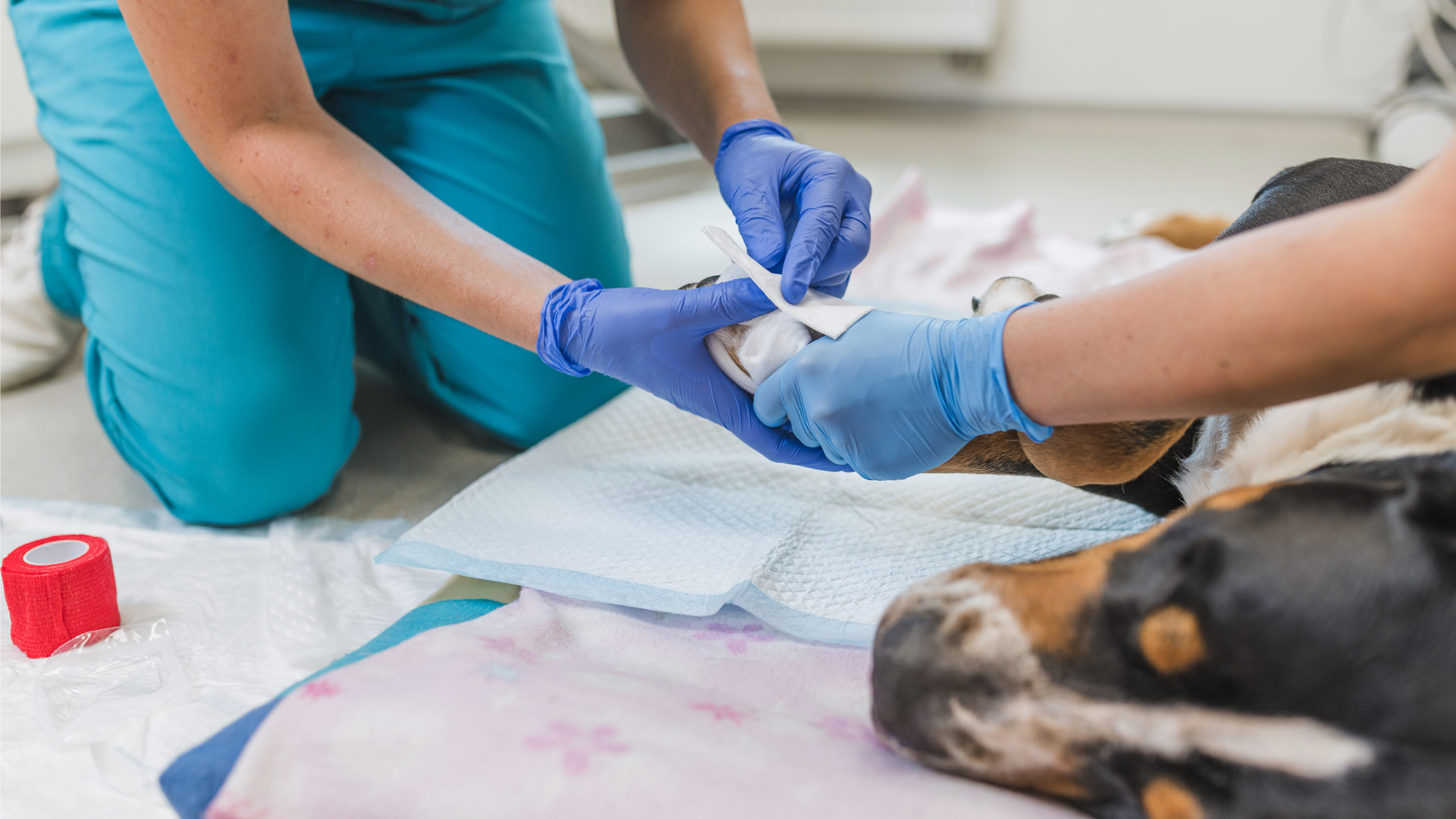
Wound healing in practice is rarely a straight line. From the routine post-operative wound that suddenly becomes inflamed, to the patient that won’t stop interfering, these challenges are a familiar part of daily practice.
Healing is a continuum, with factors at every stage influencing the outcome. For the vet team, there are continuous small decisions to make around surgical technique, post-operative care, protection and monitoring. Yet complications often arise not from the wound itself, but from factors that delay healing.
A team approach that incorporates consistency, planning and appropriate tools can significantly improve outcomes.
Creating an optimal healing environment
Successful wound healing can be supported with a few simple principles, applied consistently by the vet team.
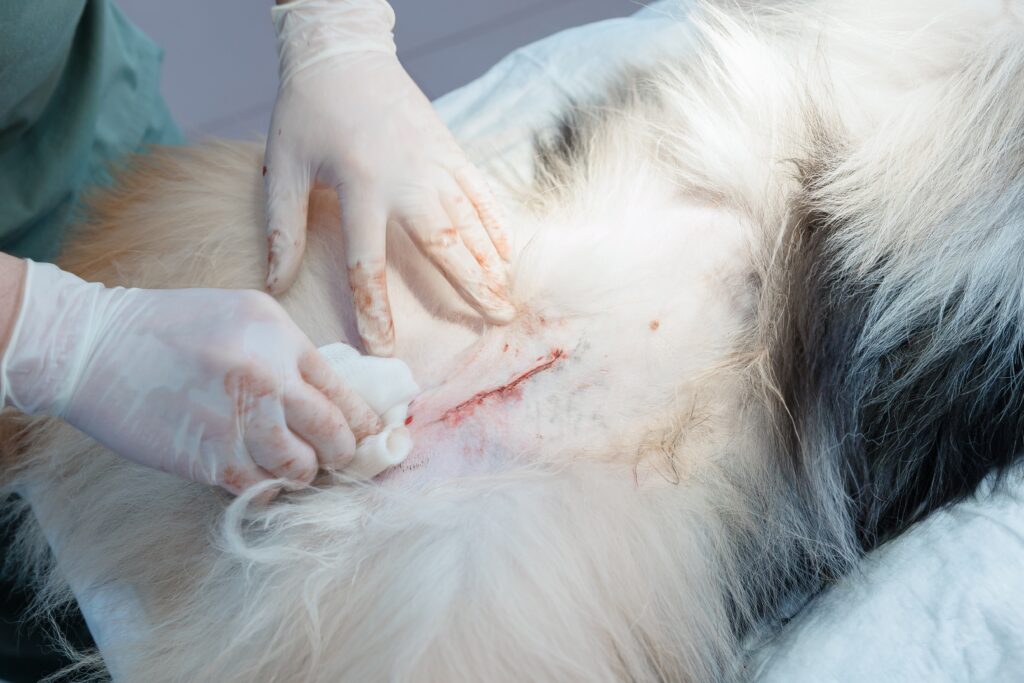
Preparation is critical – early decisions set the foundation for successful healing. Initial wound management includes assessment, cleansing, lavage and debridement, alongside consideration of infection risk and reducing contamination and bioburden.
Promoting an optimal healing environment means addressing the factors that support healing: adequate blood supply and oxygenation, moisture balance and temperature regulation. Dressing selection should be guided by the stage of healing, ensuring the wound environment continues to support progression, with a wide range of dressing options available to suit different clinical requirements.
Protecting the wound from trauma, contamination or patient interference is a key consideration. Bandaging technique can have a significant impact on outcomes, while appropriate coverings and collars can help keep the patient calm and comfortable, as well as preventing interference during recovery.
Because healing is a complex and dynamic process, disruption at any stage – whether through poor preparation, a suboptimal environment or a failure in protection – can delay progress. A clinical approach, supported by appropriate dressings, bandages and protective garments, helps ensure these principles are applied reliably in practice.
Why wounds don’t heal
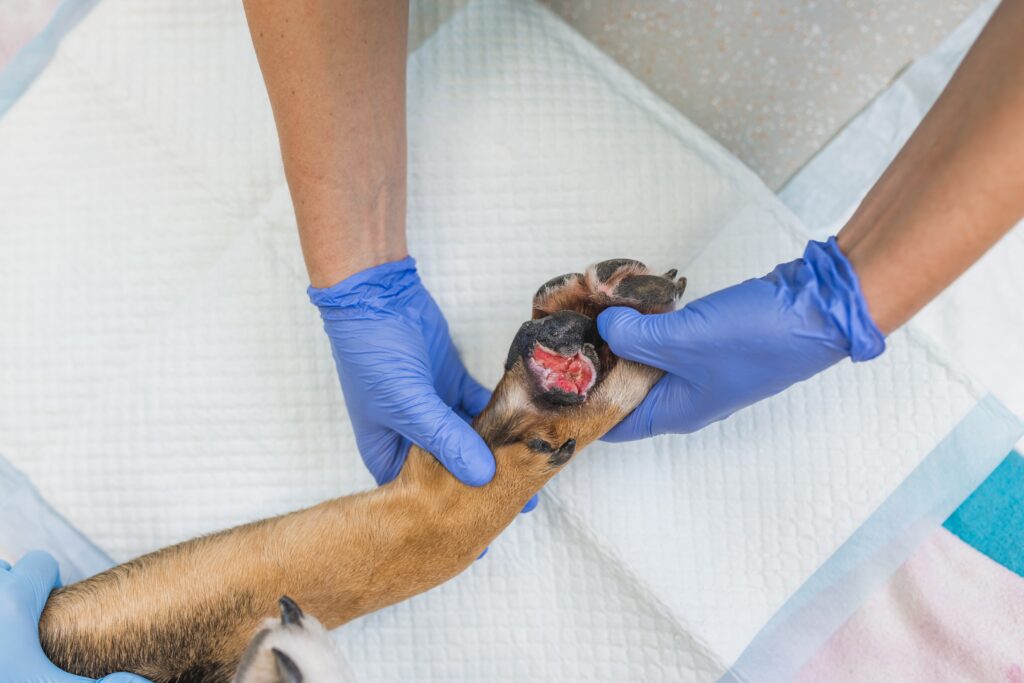
Every vet team will experience patients who come back for repeated visits with wounds that are making slow progress. Bite-wounds, abscesses, pressure sores or wounds healing by second intention are common culprits, and ongoing decisions need to be made about treatment and management. The onus is on the team to question why the wound is not healing, and whether a change of approach is needed.
Delayed healing has some common causes that can often be anticipated and prevented:
-
Patient interference (licking, chewing or rubbing)
-
Infection or bioburden
-
Movement or mechanical disruption
-
Poor local environment (moisture imbalance, pressure, temperature)
Many of the complications seen in practice stem from these factors rather than from the wound itself, so monitoring a wound and being able to recognise early if healing is not progressing as expected, allows a team to make informed and timely adjustments to their approach.
Minimising the impact of external factors such as patient interference and bandage selection is important, but any infections must be promptly identified and resolved for healing to occur. Post-operative antibiotics are now increasingly prescribed on a needs-must basis, in order to adhere to good antimicrobial stewardship. In cases of post-surgical infection, taking a swab for culture and sensitivity supports correct antimicrobial choice.
Managing patient interference
A frequent and preventable cause of delayed wound healing and complications is interference by patients. Infection and wound breakdown are common consequences, resulting in increased re-visit rates.
Pain and anxiety can make patients more restless, resulting in disrupted bandages or additional trauma. For the vet team, assessing a patient’s comfort is an important skill. Managing pain, along with minimising a patient’s stress are key areas of focus which can benefit wound healing outcomes.
An animal’s behavioural habits can also cause interference. Self-grooming, especially in cats, or licking as a self-soothing behaviour in dogs, as well as general scratching, rubbing or nibbling, can disrupt a wound.
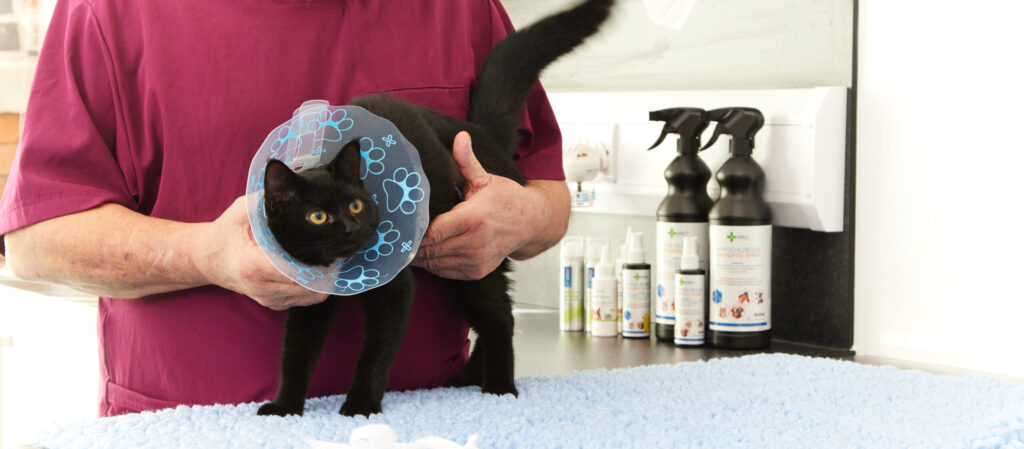
Preventing patient interference with a wound is vital, but it’s not always straightforward, and tolerance for a traditional collar varies. Decisions around protection of the wound need to take into account the location of the wound, the type of procedure, the patient’s temperament and the compliance of the pet owner.
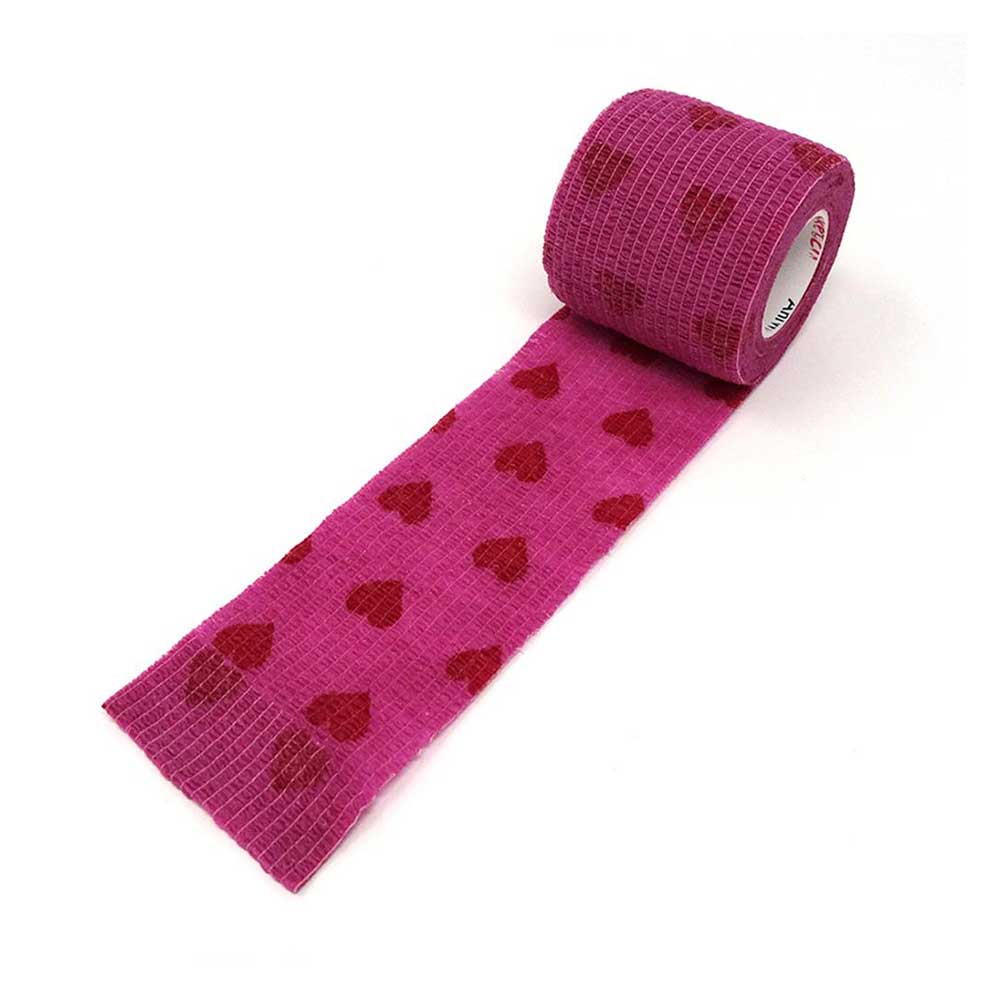
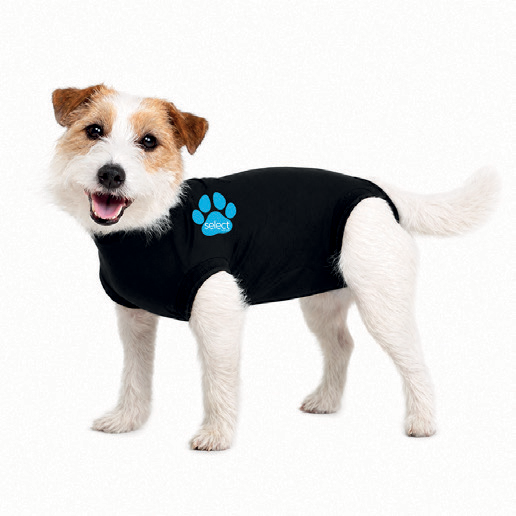
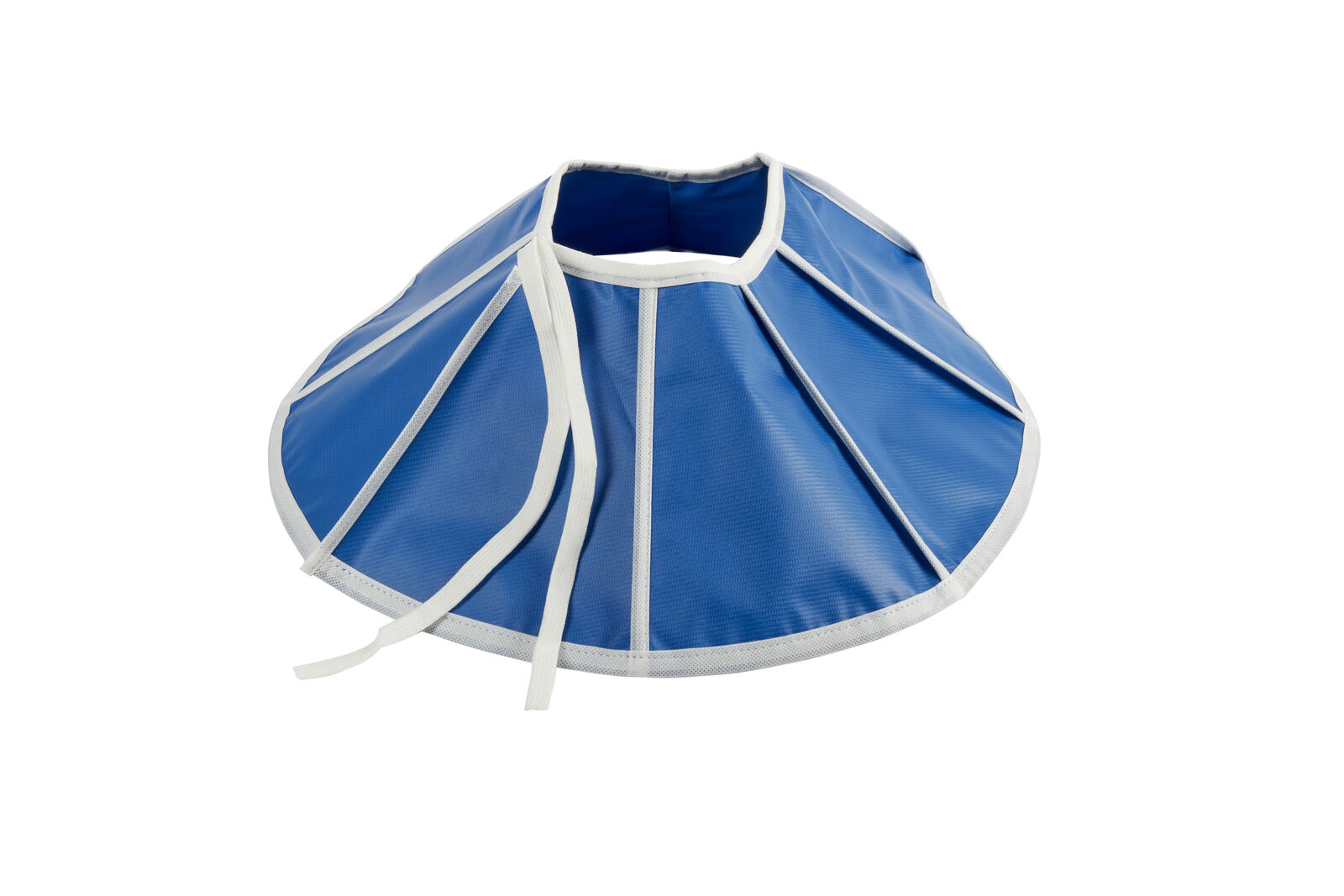
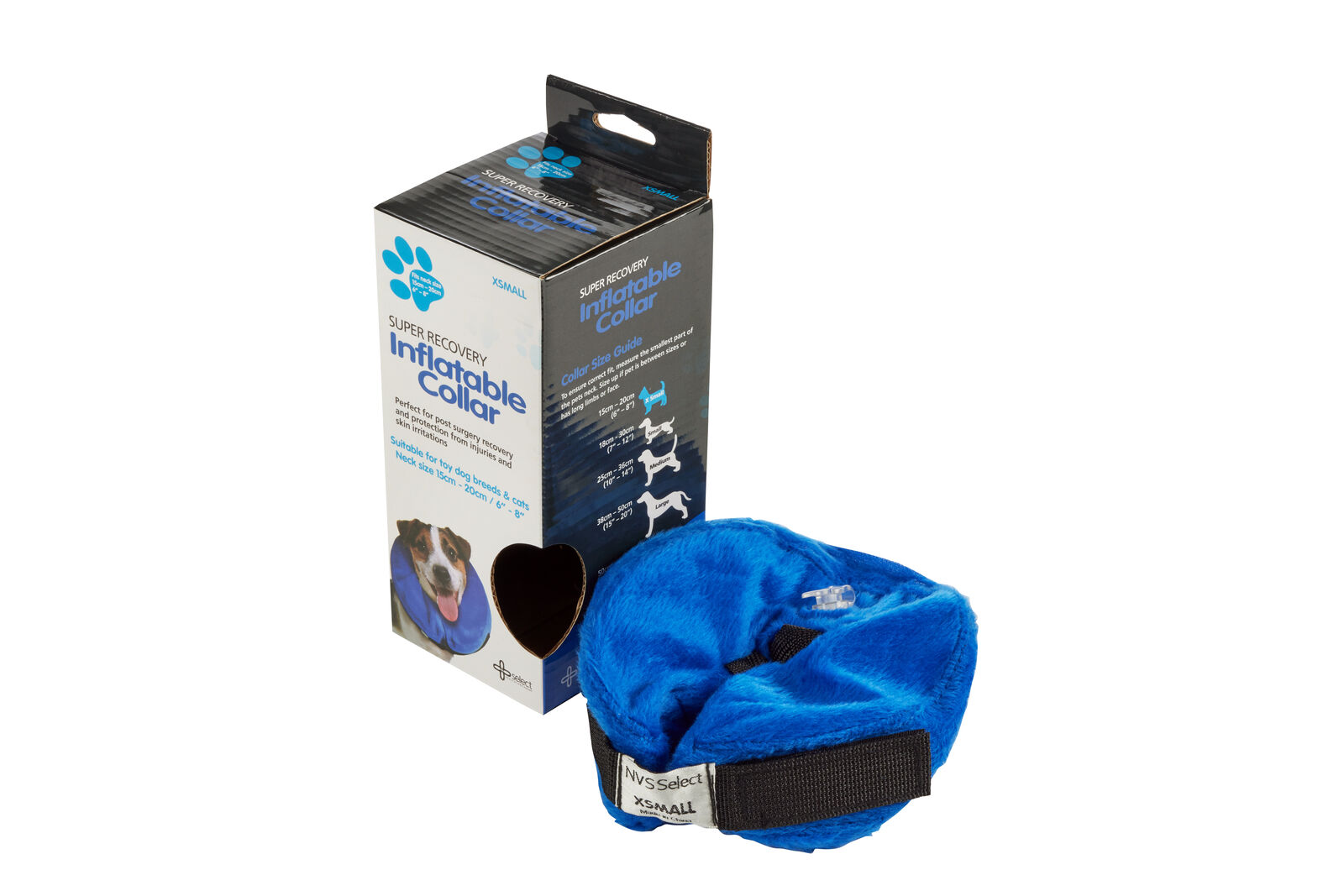
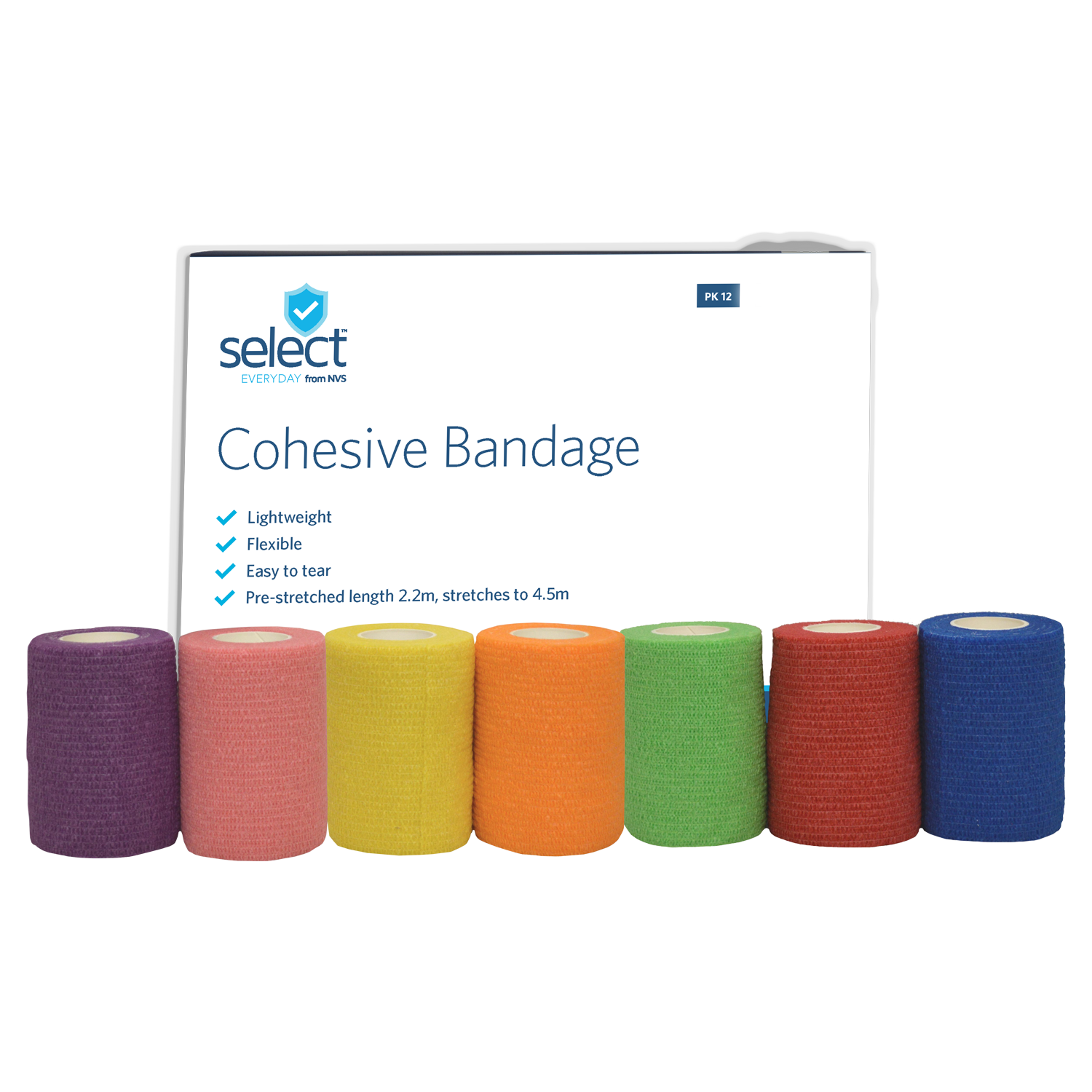
As there is rarely a one-size-fits-all solution, having access to a flexible range of wound protection options can be helpful. This might include recovery garments such as Select from NVS Post-Operative & Recovery Pet Shirts for Cats or Dogs, alternative collars, including Softie Collars or Inflatable Collars, and layered protection solutions, for example, Select from NVS Cohesive, Conforming or Wow bandages.
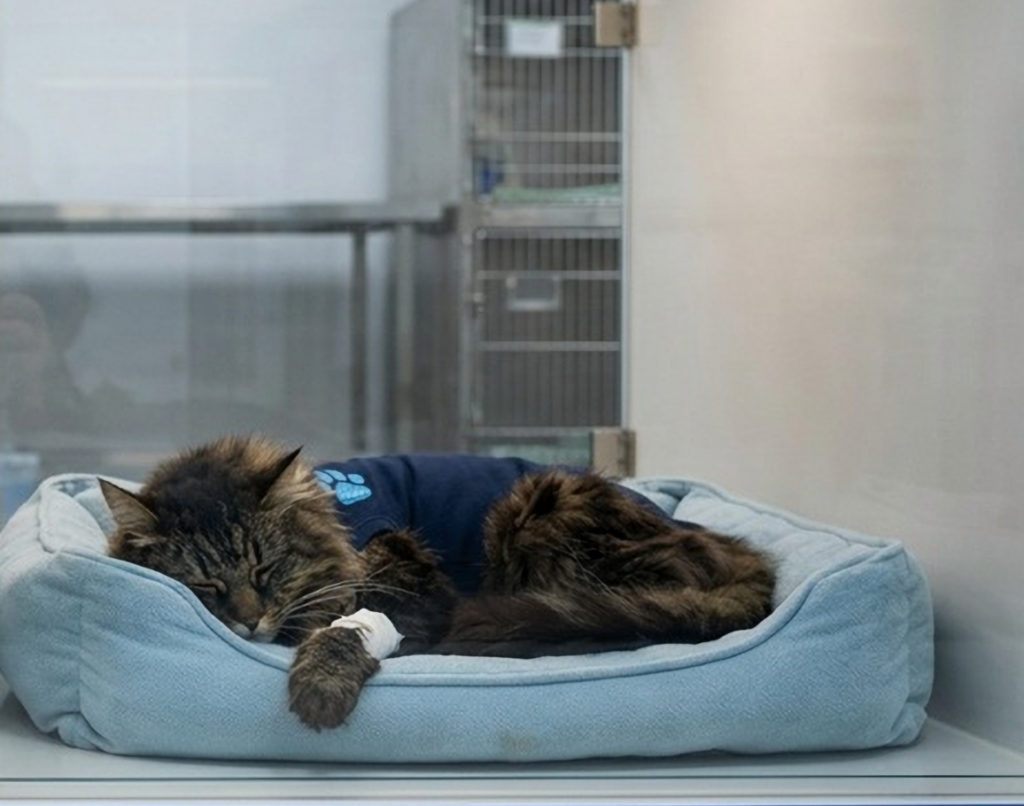
Owners may not fully understand the importance of protecting a wound, may struggle to manage a stressed animal at home, and frequently underestimate the consequences of patient interference.
A lot of wound healing success or failure occurs outside of the clinic. The moment a patient leaves the practice, the vet team are reliant on the owner to comply with care instructions, notice changes early and keep protection in place. Communicating instructions clearly, providing information for a pet owner to take away, and working with the pet owner to answer questions, reassure and find practical solutions, all help increase an owner’s compliance with the treatment plan.
Dressings and bandages – supporting healing safely
There are many different types of dressings and bandages available to support different clinical needs. Having access to a well-understood range can help support confident and appropriate selection in practice.
Decisions about dressing choice will be based on the type of wound and the stage of healing. The dressing strategy will need to evolve as the wound progresses, with assessment at each stage about what the wound needs at that point. A broad choice of dressing types allows the approach to be tailored, rather than relying on one general-purpose solution.
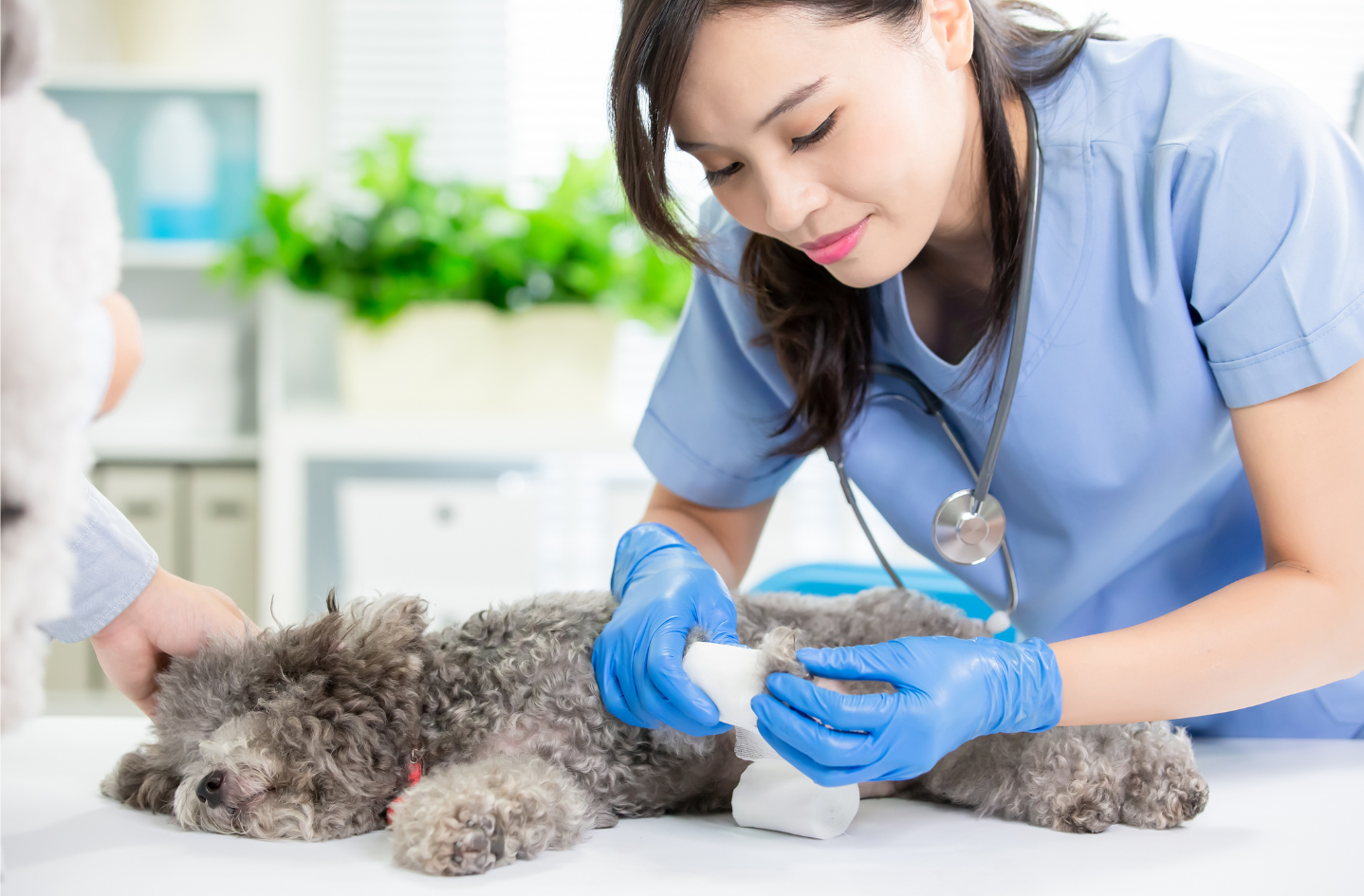
Bandages should be considered as a clinical tool. As well as protecting and supporting healing, bandages can also cause complications if they are not correctly applied or managed.
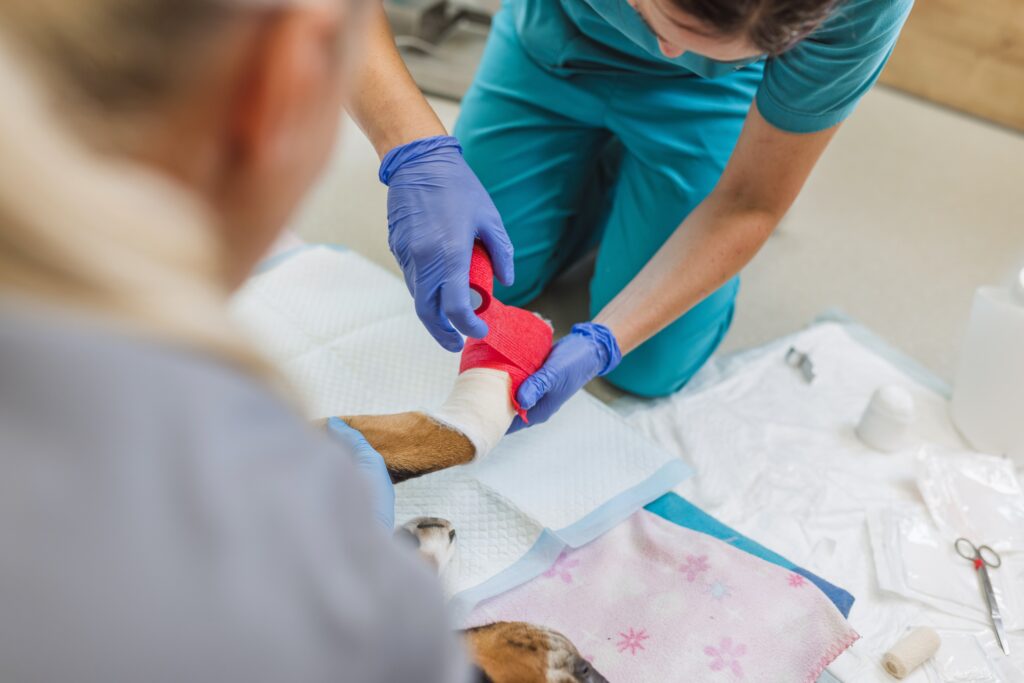
Key risks of bandaging
- Excessive pressure → tissue damage
- Slippage → exposure and contamination
- Moisture accumulation → maceration
Bandages are dynamic – the wound, the limb and the bandage itself are all changing over time. Bandages and swelling of the surrounding area should be monitored and reassessed regularly, and clear protocols and communication established within the team. Using materials designed for secure, consistent application can help reduce the risk of slippage and pressure-related complications.
Selecting appropriate dressings and bandaging materials, and using them correctly, supports safer application and more predictable outcomes.
Consistency across the team
Team training and reinforcement is central to supporting consistency. Many practices benefit from developing a designated wound care lead who can act as a point of reference for the team, champion best practice, and help to troubleshoot complex cases. This role can unite the team in a consistent approach to wound management, cascade knowledge about new developments and provide mentoring to improve the general competence of the team in wound care and bandaging.
Measures such as establishing standard operating procedures and principle-led protocols, which the team can be ready to adapt if needed, can increase confidence in managing a variety of wounds.
Having access to a trusted product selection covering a range of uses, can also improve efficiency, reduce ordering complexity and aid stock control.
Discover NVS’s range of bandages , dressings and wound care
Small changes, measurable impact
Wound care is one of the most common aspects of veterinary practice, yet outcomes are often influenced by the small decisions made throughout the recovery process. From early preparation and dressing selection to bandage monitoring, patient protection and client communication, each stage plays a role in supporting progression and reducing complications.
Creating consistency across the team, supported by clear protocols, appropriate products and ongoing training, can help make wound management safer, more efficient and more predictable. Even small refinements in approach can improve patient comfort, reduce revisits and support better clinical outcomes.
Select from NVS Post-Operative & Recovery Pet Shirts
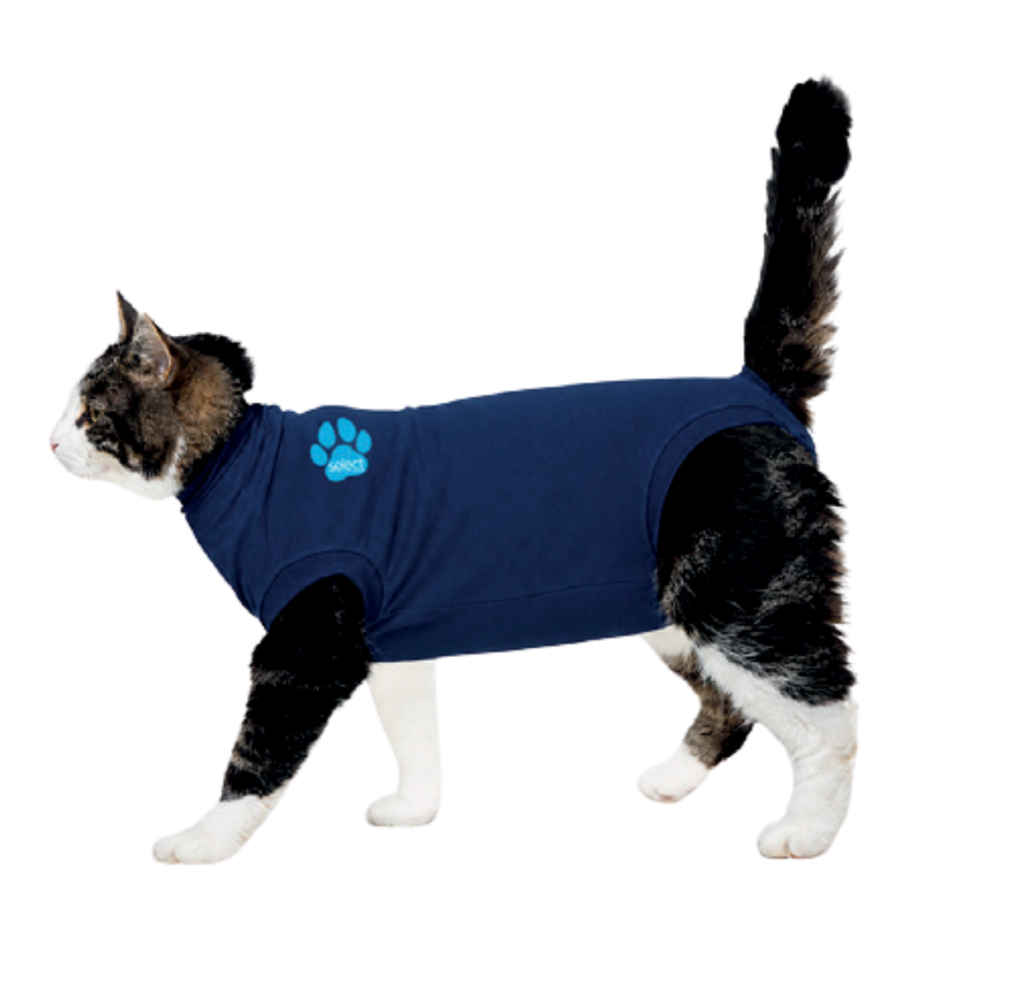
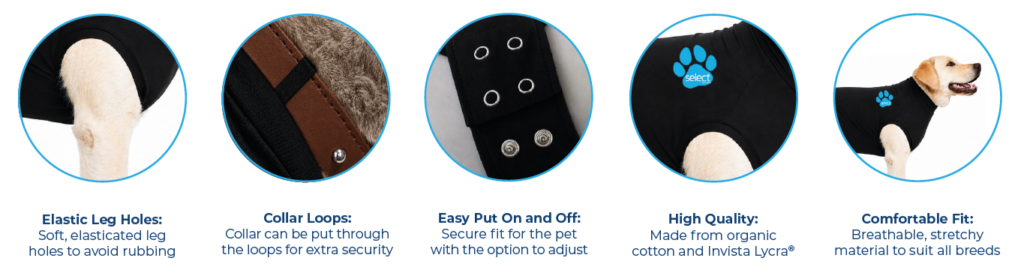
The full body Select from NVS Post-Operative & Recovery Shirt is a specialised medical shirt designed for cats & dogs. This product ensures maximum comfort and protection for pets during recovery periods. Whether the pet is recuperating from surgery, managing allergies, or needs added protection, this Pet Shirt is the ideal recovery solution.
Why choose the Post-Operative & Recovery Shirts?
- Comfort and Safety: Made from high-quality, breathable fabric, providing ultimate comfort while protecting the pet.
- Secure Fit & Anxiety Management: A snug, secure fit helps keep the shirt in place while also providing a gentle, calming effect.
- Incontinence: Keeps pads securely in place to protect furniture and maintain cleanliness.
- Weaning: Discourages constant nursing and helps establish routine feeding habits.
- Alternative to the cone: To ensure the pet can recover comfortably without added stress.
More about the author:
Gemma Vardy, Senior Category Specialist, NVS

Gemma has been an integral part of NVS’s Category Team for the past six years. In her role as Senior Category Specialist, she oversees the large animal and equine categories, ensuring a diverse range of high-quality products with consistent stock availability. Passionate about new product development and innovation, Gemma also plays a crucial role in developing the Select from NVS product line. She collaborates with veterinary practices to understand their product needs and works with NVS’s trusted manufacturers to bring those products to market.
The article was originally posted in The Cube magazine, June 2026 issue. Click here to read the magazine.
Related products
Post-Operative & Recovery Pet Shirts
Softie Collars
Inflatable Collars
Cohesive Bandages
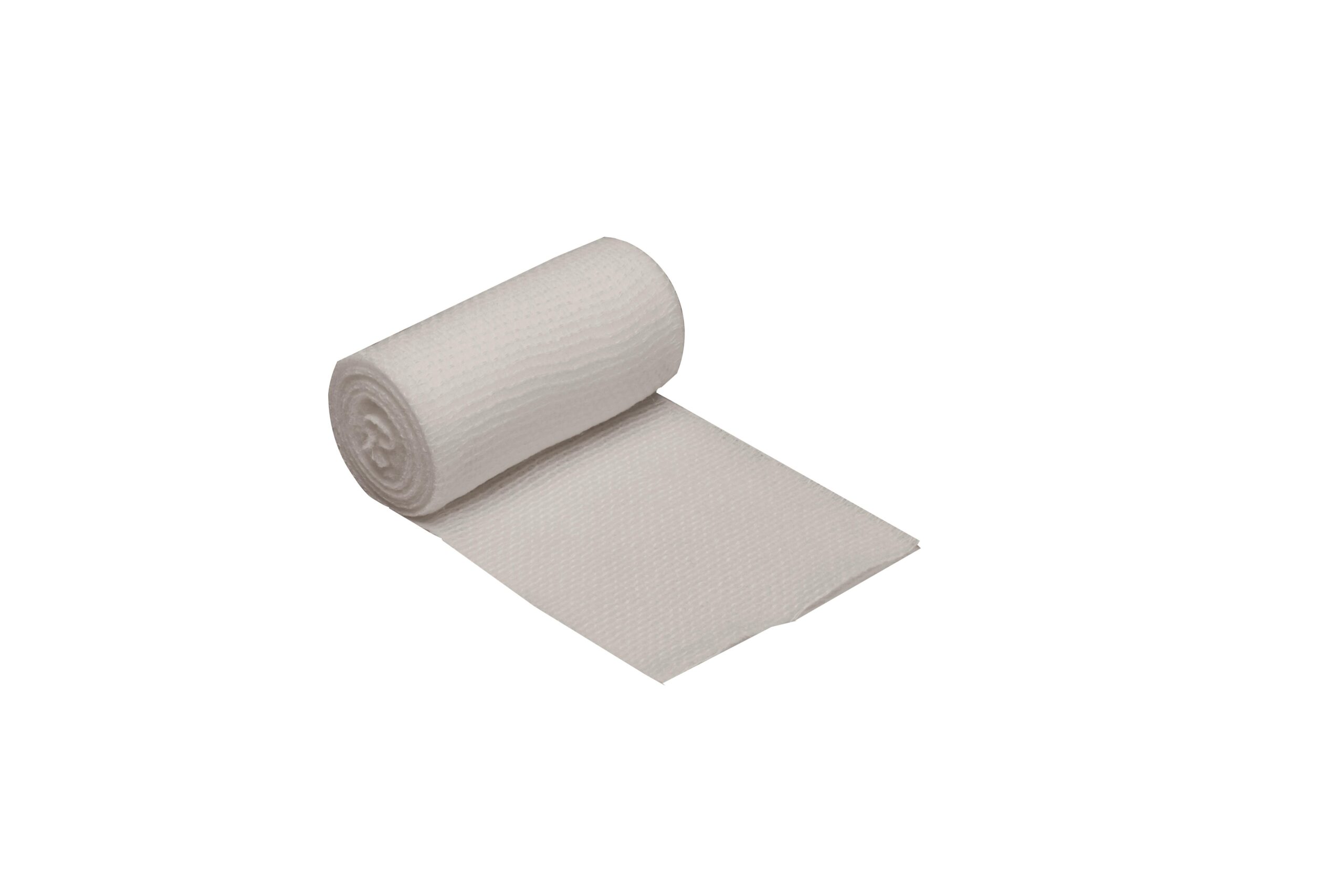
Conforming Bandages
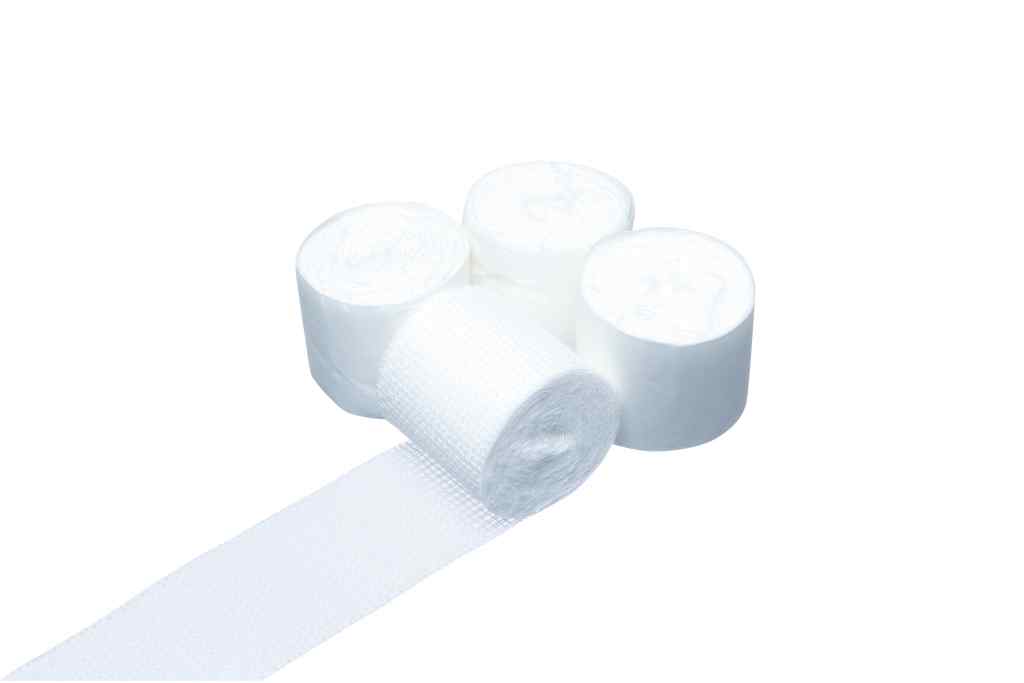
WOW Bandages