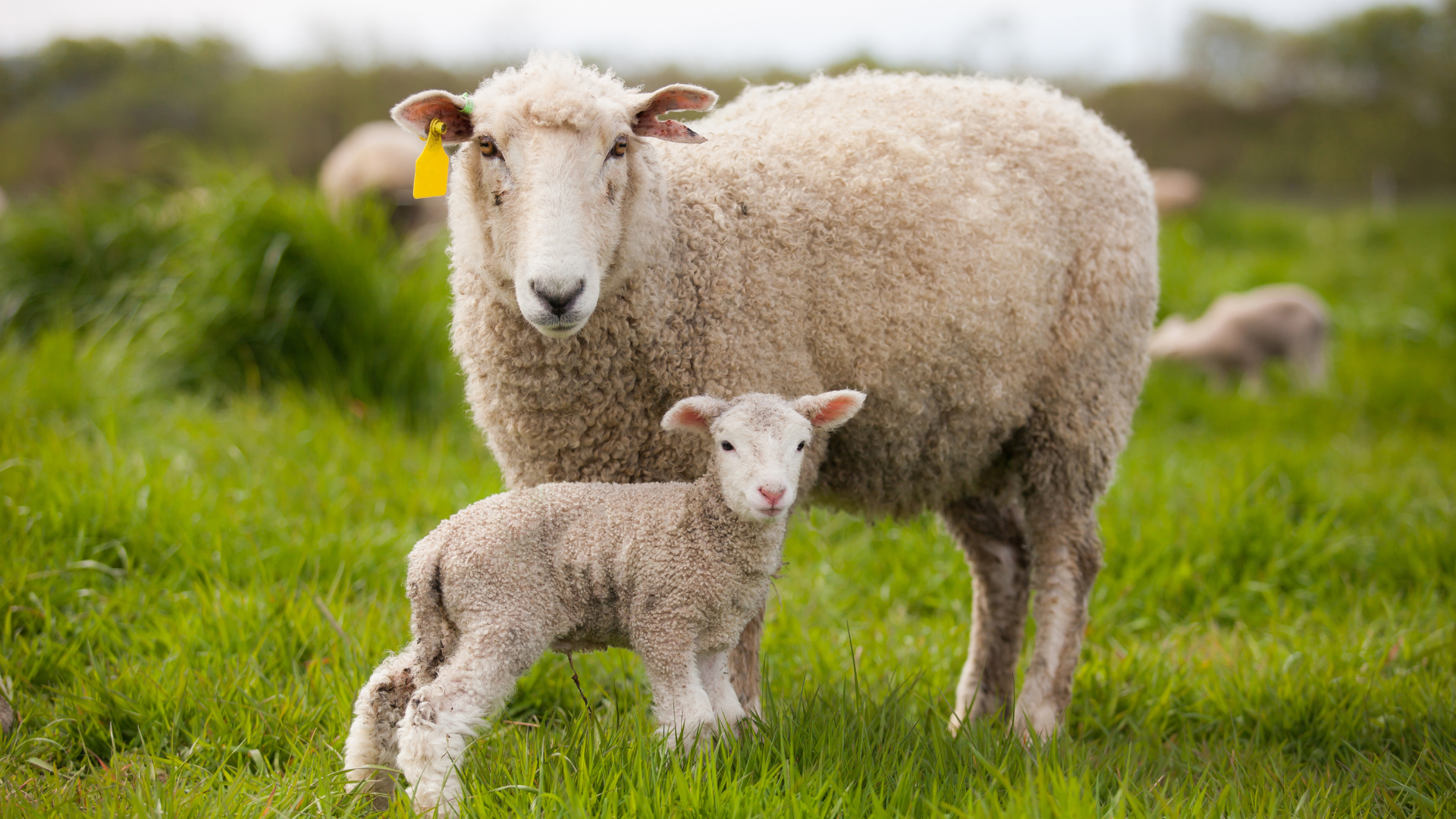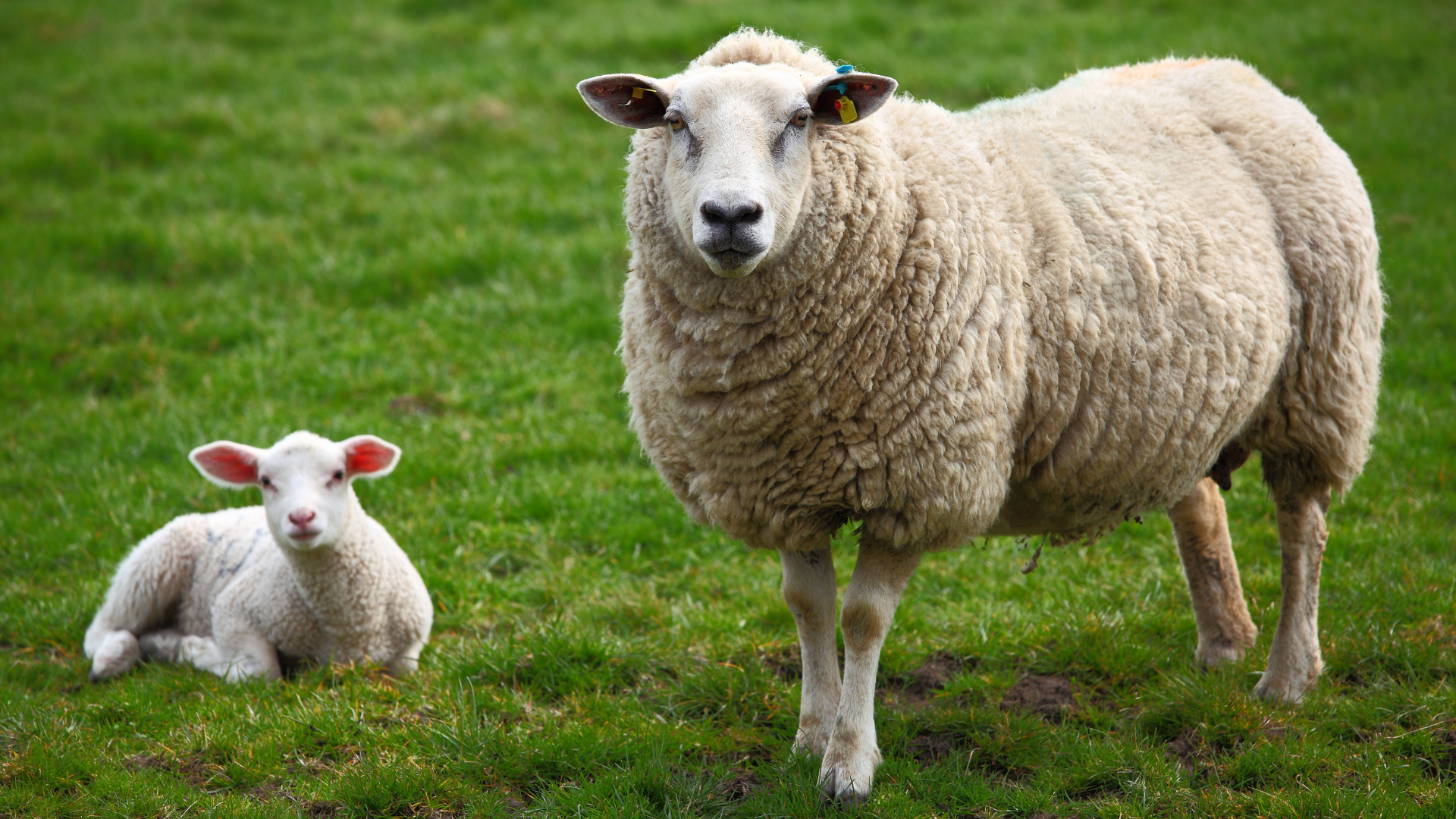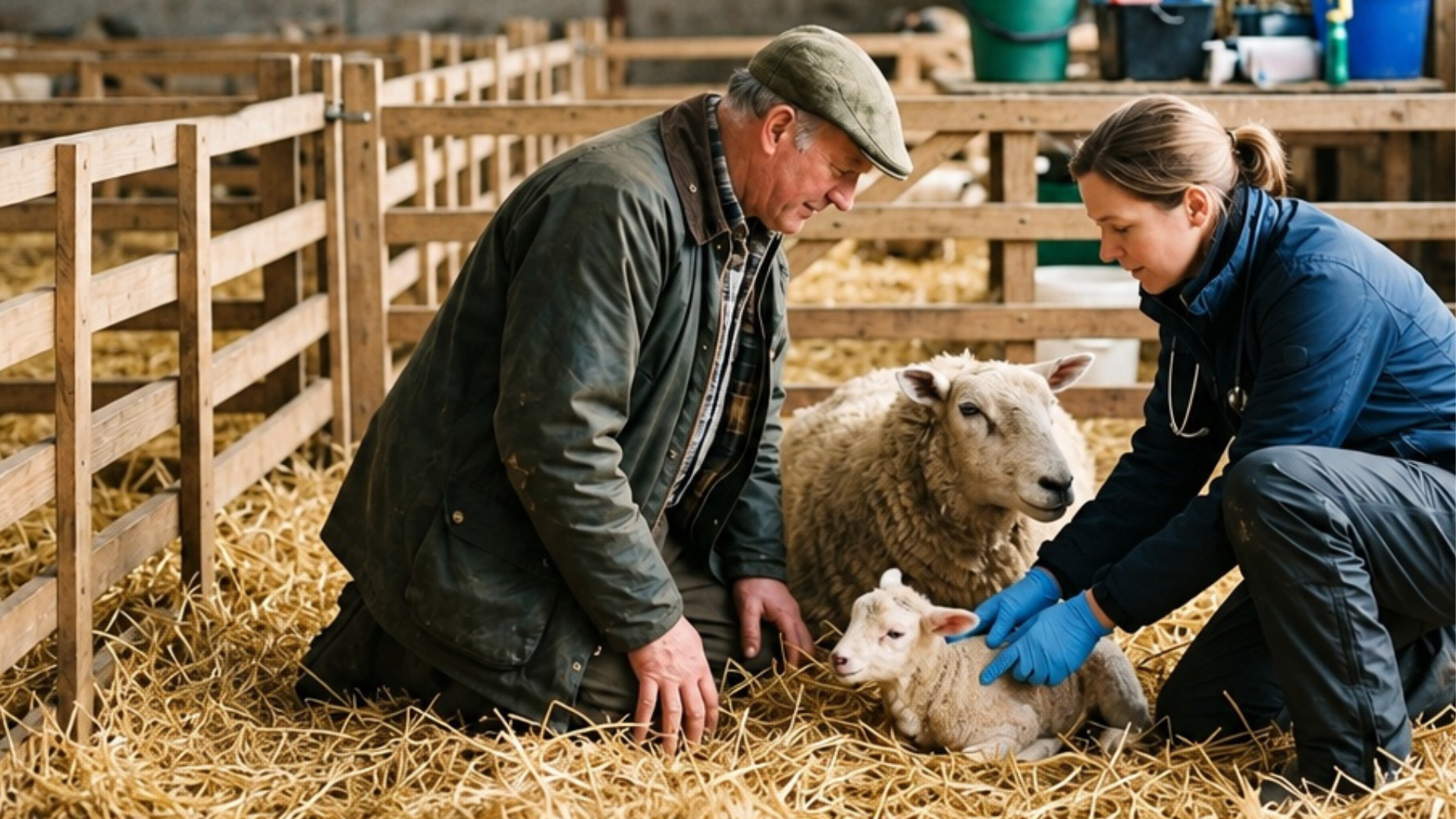
Lambing and calving season presents veterinary teams with a wide range of obstetrical and soft-tissue repair procedures, often carried out in demanding farm environments where efficiency, reliability and animal welfare are key considerations. Selecting the right suture material must support healing, minimise tissue reaction, reduce avoidable re-handling of the animal, and perform reliably in wet, contaminated or high-movement environments1,2 .
The Q-close range supports that need by giving veterinary teams familiar options that can be selected according to tissue type, expected healing time, contamination risk and the level of tension placed on the repair.
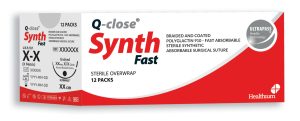
Q-close Synth Fast
Rapid support for fast-healing tissues
Q-close Synth Fast is a braided and coated absorbable polyglactin 910 suture, providing short-term wound support for up to 14 days³. The tensile strength retention at 7 days is 53%, with absorption essentially complete between 28-42 days³.
This makes it useful for tissues expected to heal quickly and where rapid absorption is an advantage. In lambing and calving contexts, it can be considered for superficial mucosal or soft-tissue closure, small episiotomy-type repairs, or areas where a softer braided material and good knot handling are desirable.
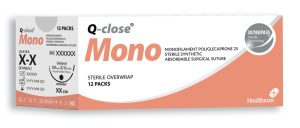
Q-close Mono
For challenging farm environments
Q-close Mono is an absorbable monofilament poliglecaprone 25 suture, providing up to 21 days of wound support⁴. Its monofilament structure gives a smooth passage through tissue and has no braided interstices, which is useful when closing tissues exposed to bedding, faecal contamination, lochia or field conditions¹.
For lambing and calving, this makes Q-close Mono particularly relevant for skin, subcutaneous tissues, minor vulval or perineal repairs, and soft-tissue approximation where moderate short-term wound support is required. The absorbable profile also helps avoid a return visit purely for suture removal, which is valuable for ewes and cows managed extensively or where handling stress should be kept low.
Practical features that support veterinary teams
Q-close products are manufactured to recognised medical-grade suture quality standards, using bend-resistant stainless-steel needles, with good needle penetration and silicone coating for smooth tissue passage.
For large-animal obstetrics, where speed, control and tissue respect are important, these features are clinically relevant. An appropriate needle and predictable suture material can reduce tissue trauma, improve knot confidence and support efficient closure in challenging environments.
Choosing the right suture for the procedure
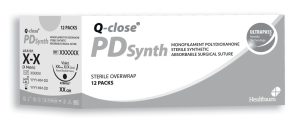
For high-tension repairs, deeper abdominal wall work, severe perineal tears, uterine tears, prolapse retention or tissues expected to heal slowly, a longer-term wound support absorbable suture such as polydioxanone may be more appropriate¹˒², such as Q-close PD Synth with its 42-day wound support period⁵.
In contaminated wounds, meticulous lavage, debridement, correct pattern selection and veterinary judgement remain essential. Suture size should match the species and tissue. Lambs and ewes generally require finer material than adult cows, while calving injuries may require stronger gauges and larger needles.
Braided materials such as Synth Fast may handle beautifully, but monofilament material is often preferred where contamination risk is higher¹.
A practical choice for seasonal farm work
In summary, Q-close Mono is a dependable absorbable monofilament for short-to-medium soft-tissue support, particularly where contamination and reduced rehandling are priorities. Q-close Synth Fast is suited to rapid-healing tissues requiring short-term wound support with excellent handling characteristics.
Used appropriately, both provide practical, cost-conscious and clinically familiar options for lambing and calving work.
Discover more about the Q-close range
IMPORTANT: Please refer to the package insert (IFU) for complete instructions, contra-indications, warnings, precautions and adverse events. For more information contact your local NVS/Healthium representative.
This article was originally posted in the Autumn edition of The Cube magazine. Click here to read – https://nvsgroup.turtl.co/story/the-cube-autum-2026-public-version/page/1