by Sarah Dennis, Product Manager, Infusion Concepts
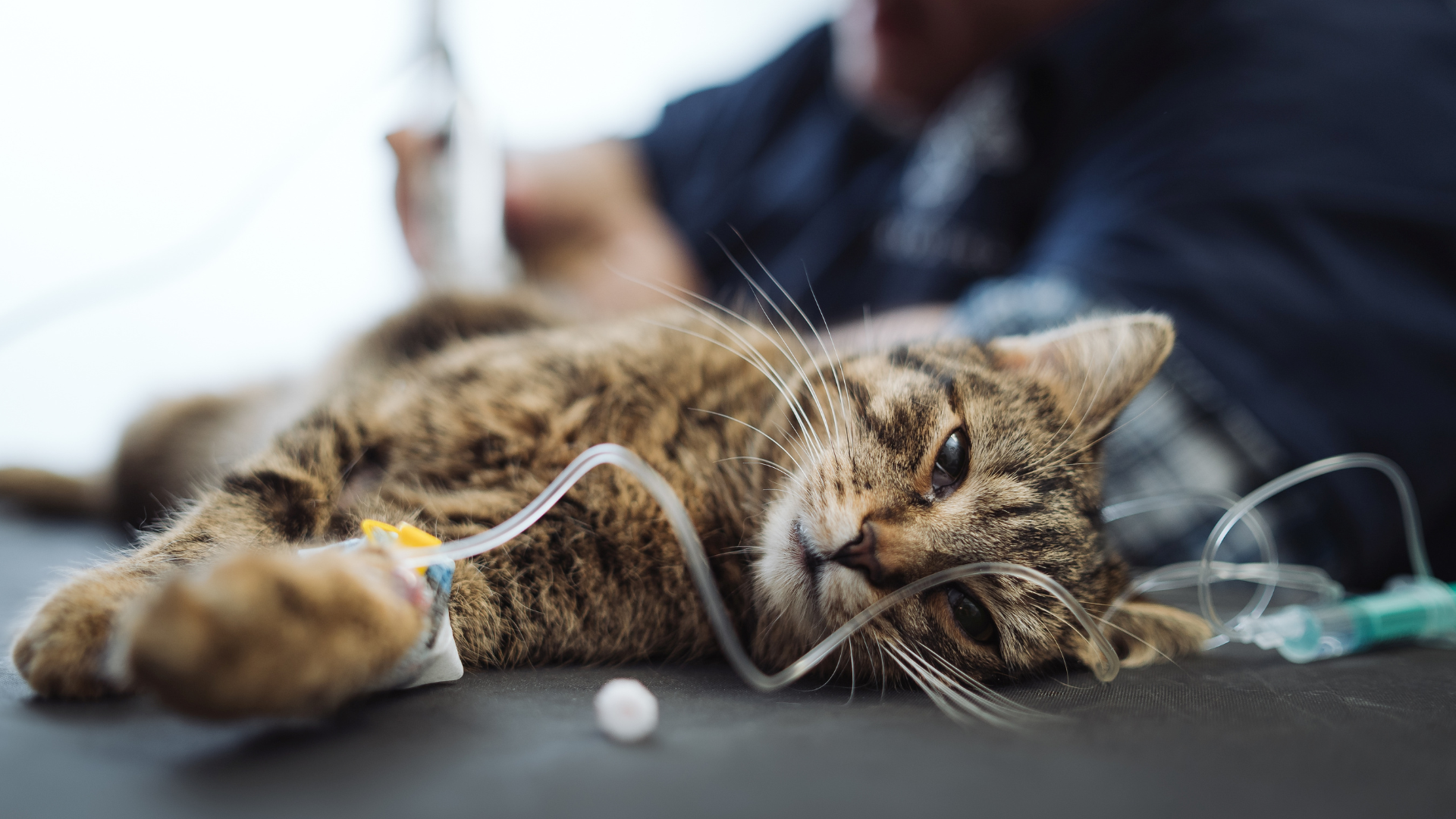
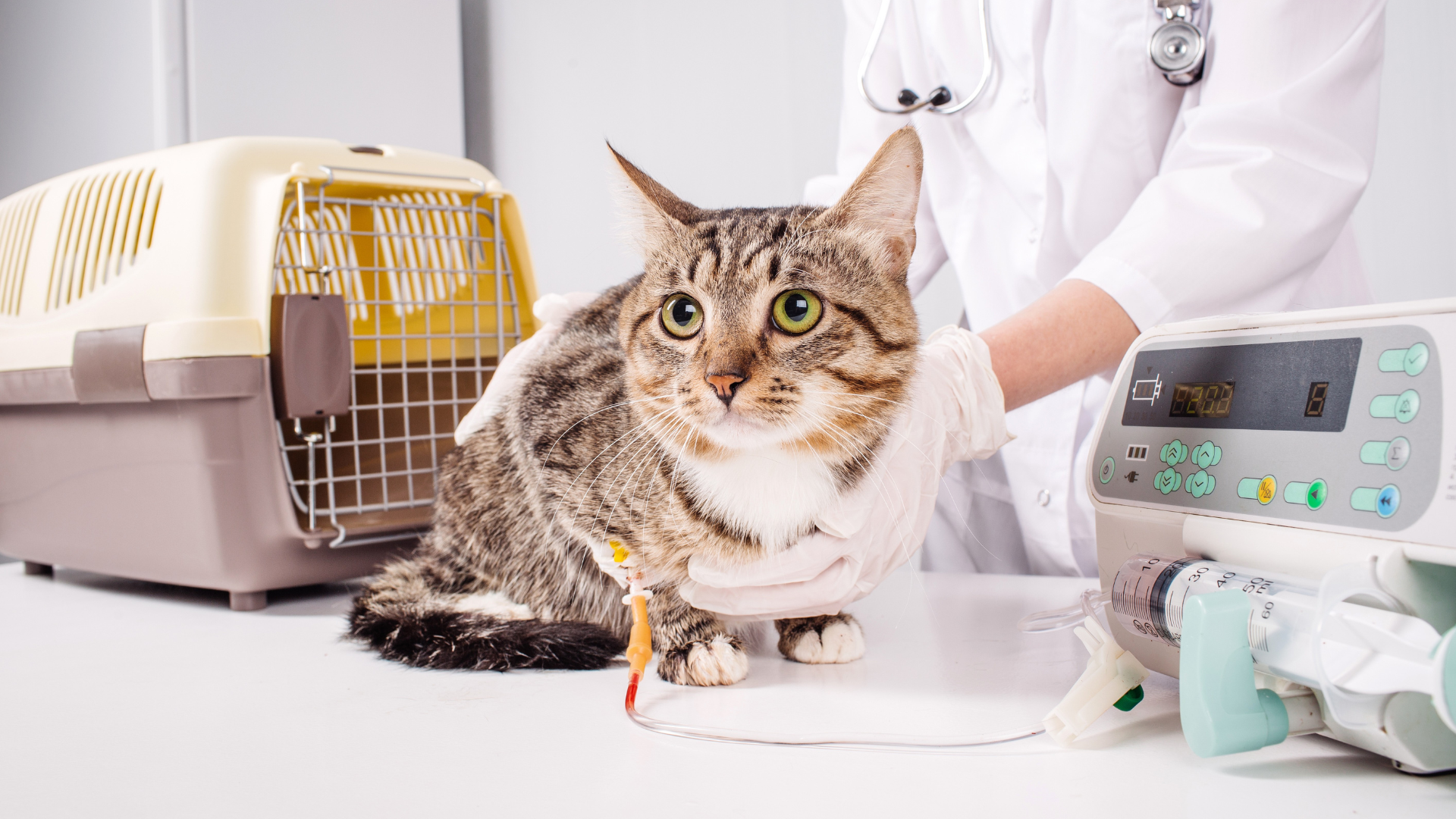
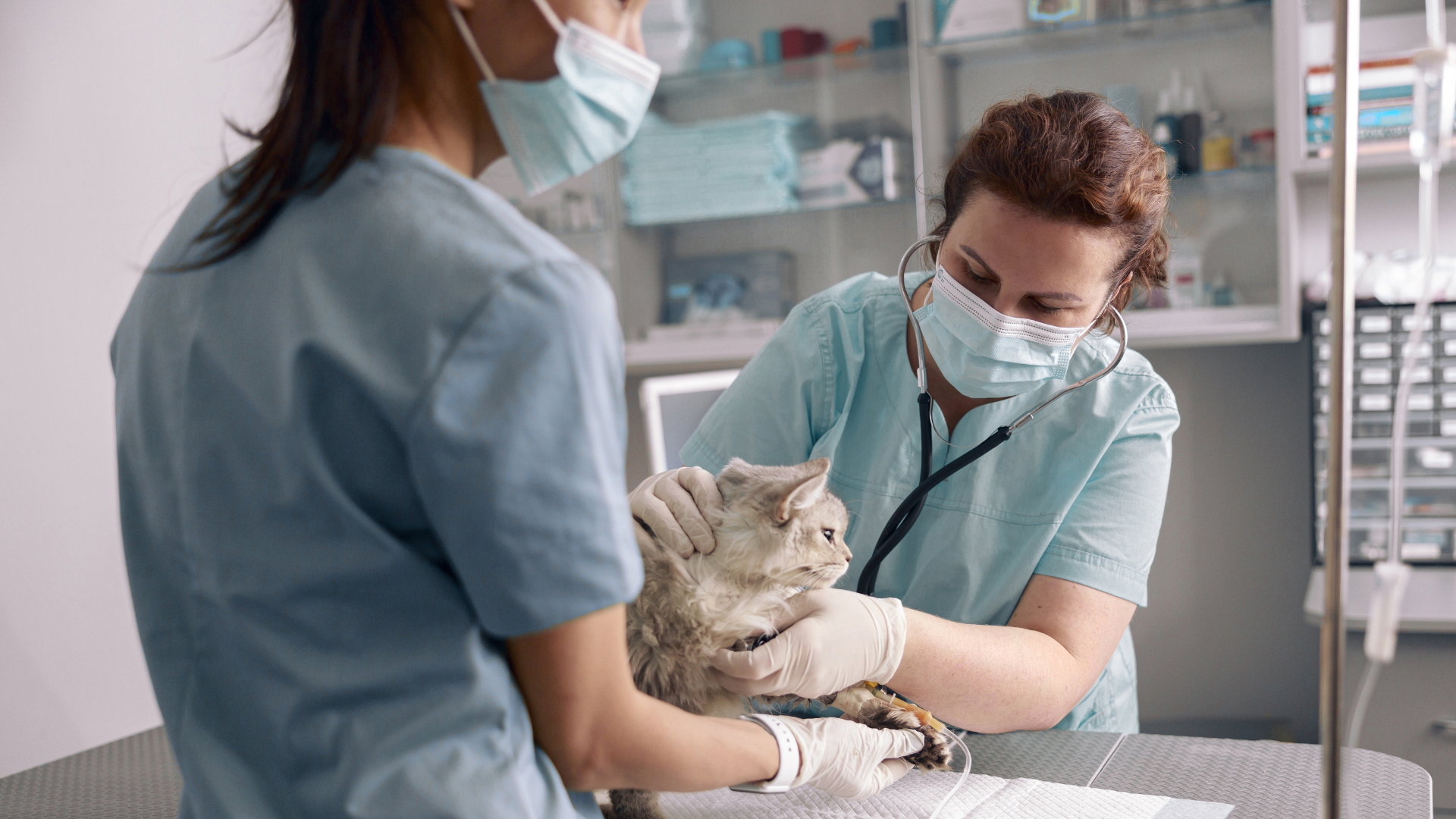
Infusion therapy is a routine part of patient care in veterinary practice. From fluid support and drug delivery to recovery and critical care, infusion equipment is relied upon every day to help ensure patients receive the treatment they need.
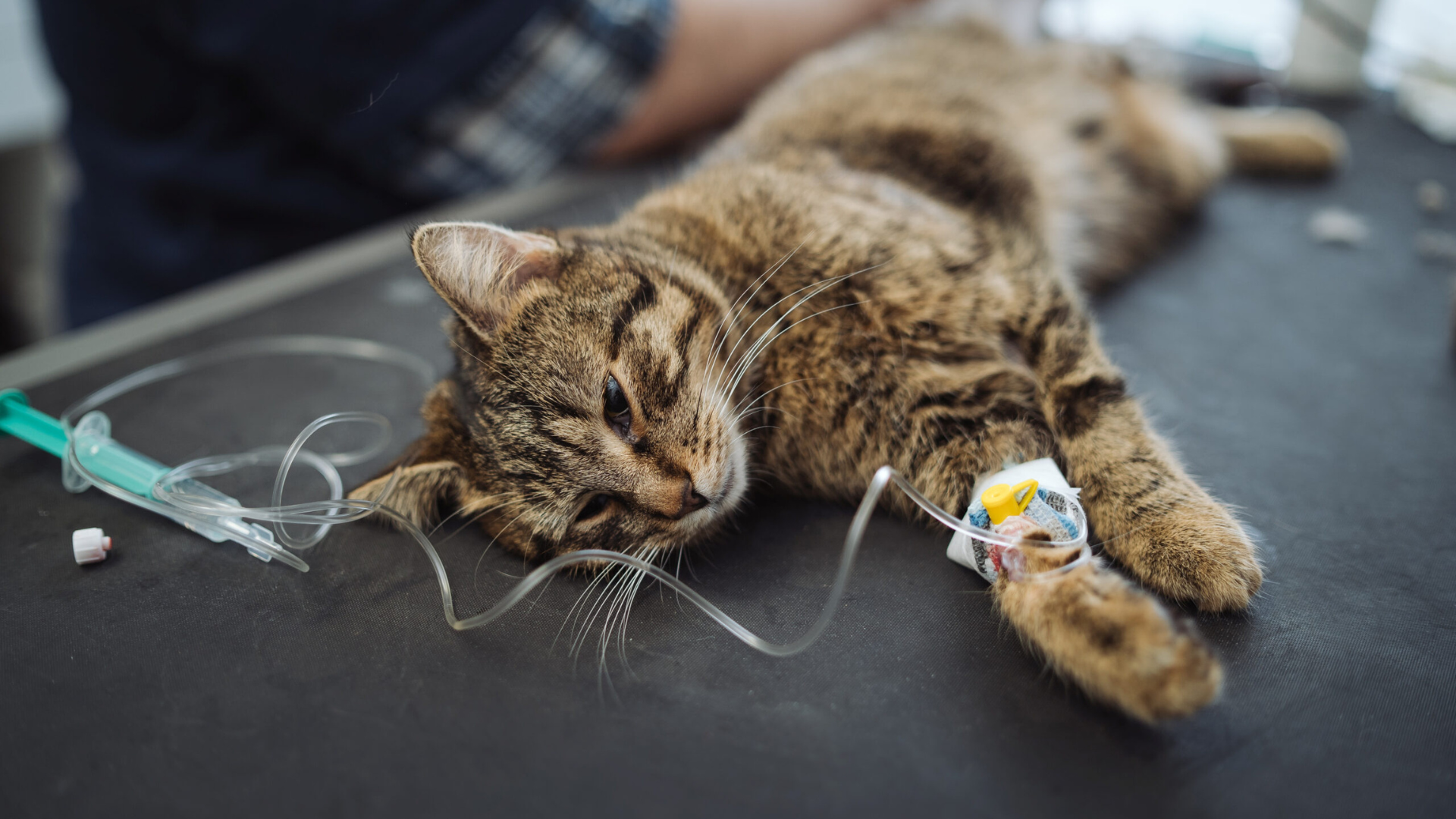
Because infusion is so familiar, it is easy for certain frustrations to become accepted as just part of the job. Pump alarms, kinked lines, interrupted fluid delivery, and patients interfering with tubing are challenges that many veterinary professionals encounter regularly. Over time, these issues can become so commonplace that they are rarely questioned.
Are everyday infusion challenges simply accepted?
Recent research commissioned by Infusion Concepts set out to explore how UK veterinary professionals view infusion equipment and the challenges they experience in practice. The findings suggest that many of the issues teams encounter every day are more widespread than many might expect.
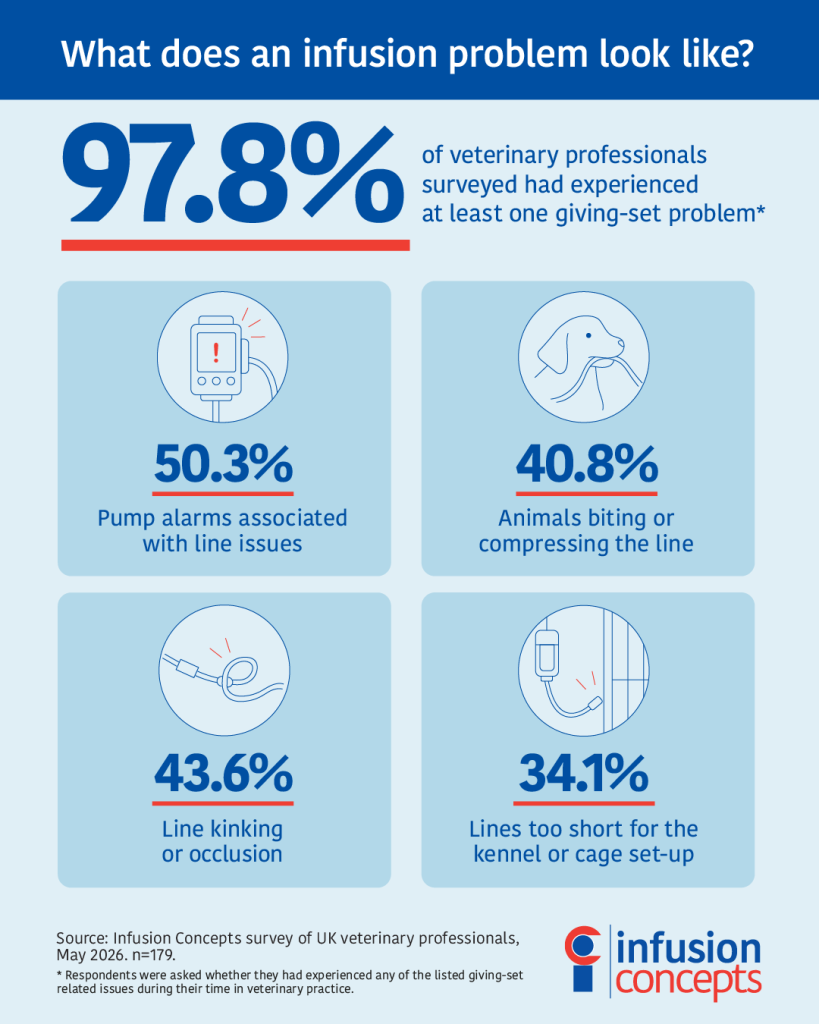
The research also uncovered something equally interesting. While reliability was ranked as the most important factor when selecting infusion equipment, many practices reported using systems and suppliers that had been inherited rather than actively chosen. In many cases, infusion equipment simply remains in place because it works, and there has never been a compelling reason to revisit it.
When did you last review your infusion set-up?
Rethinking infusion does not necessarily mean replacing everything you currently use. It starts by questioning accepted assumptions and exploring whether there may be opportunities to improve reliability, consistency and ease of use.
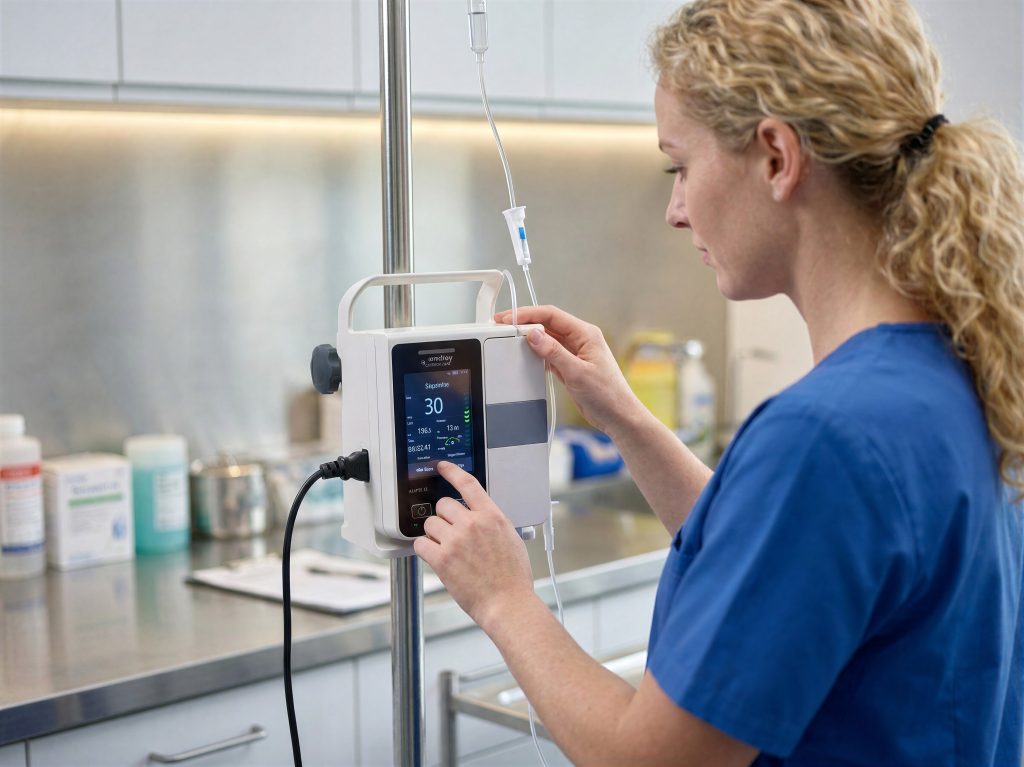
Challenging assumptions
For example, many veterinary professionals remain unaware that veterinary-specific giving sets are available, or that changing giving sets does not necessarily mean replacing existing pumps. Likewise, practices may not routinely review equipment maintenance, compatibility or whether their current set-up remains the best fit for the demands of modern veterinary care.
The aim of the Rethinking Infusion campaign is not to tell practices what they should use. Instead, it is to encourage a broader conversation about infusion therapy in veterinary environments and provide practical information that helps teams make informed decisions.
Continuing the Conversation
As part of the campaign, Infusion Concepts has published a new research report exploring the findings in more detail, together with practical considerations for practices reviewing their current approach to infusion.
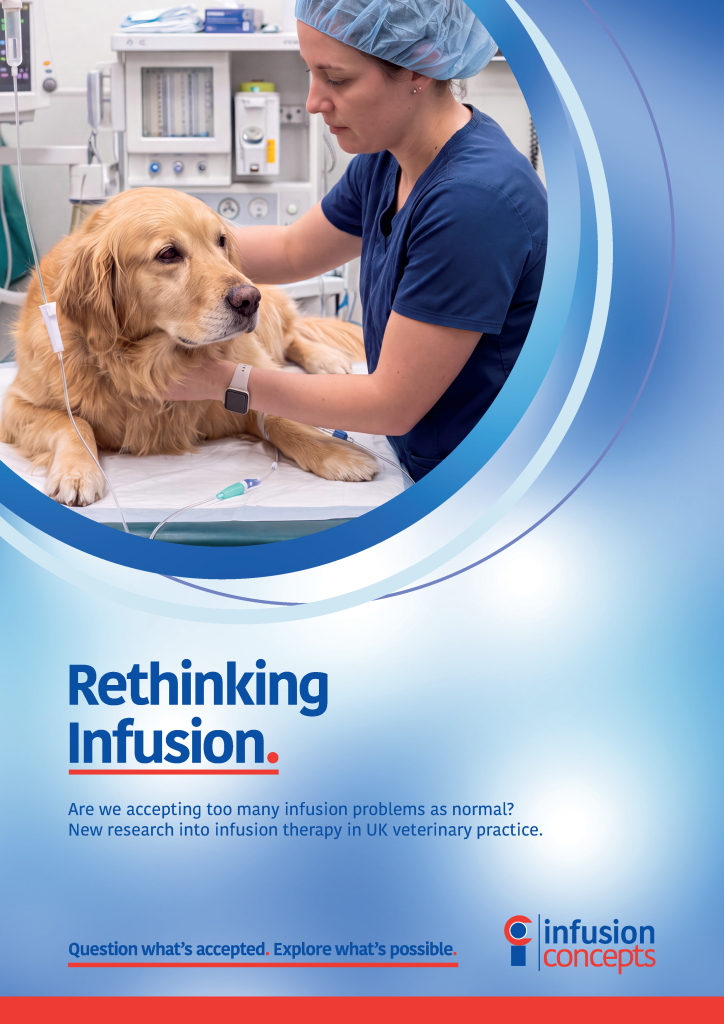
Infusion Concepts Research Report October 26
Discover more
The conversation doesn’t end with the report.
To explore the findings in more detail, access additional resources and join the wider discussion around infusion therapy in practice, visit the Rethinking Infusion hub:
Visit the Rethinking Infusion hub
Watch the webinar
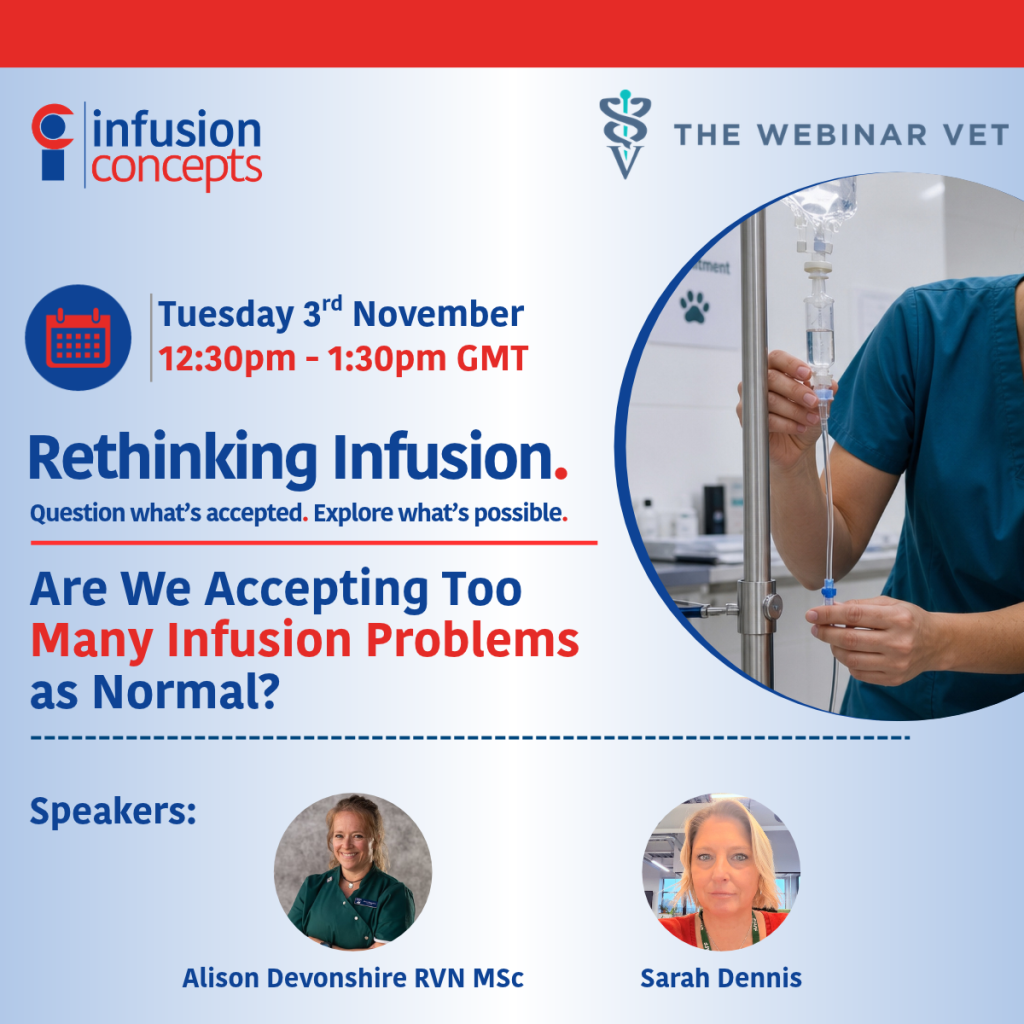
For those interested in exploring these topics further, Sarah Dennis and Alison Devonshire, RVN MSc, discussed the clinical and practical challenges of fluid therapy in an interactive, case-based webinar: Are we accepting too many infusion problems as normal?
Using three realistic scenarios, they explored fluid selection, adapting treatment plans, ensuring reliable delivery, and the role that equipment choice, set-up and nursing care can play in patient outcomes.
Featuring audience polls, discussion, and a live Q&A, the webinar encourages vets and veterinary nurses to take a fresh look at a familiar aspect of patient care and share practical ideas they can apply in everyday practice.

Infusion Concepts is The Veterinary Infusion Specialists, providing veterinary-specific infusion equipment, technical expertise and educational resources to support veterinary practices across the UK.
More about the author:
Sarah Dennis, Product Manager, Infusion Concepts

Sarah is Product Manager at NVS, responsible for the development and management of the Infusion Concepts range of veterinary-specific products. With over 25 years of experience spanning buying, product development and category management, she is passionate about developing innovative, high-quality solutions that support veterinary professionals in practice. Sarah works closely with customers, suppliers and manufacturing partners to identify product opportunities, bring new products to market and ensure the portfolio continues to meet the evolving needs of the veterinary profession.
This article was originally posted in the Autumn edition of The Cube magazine. Click here to read – https://nvsgroup.turtl.co/story/the-cube-autum-2026-public-version/page/1