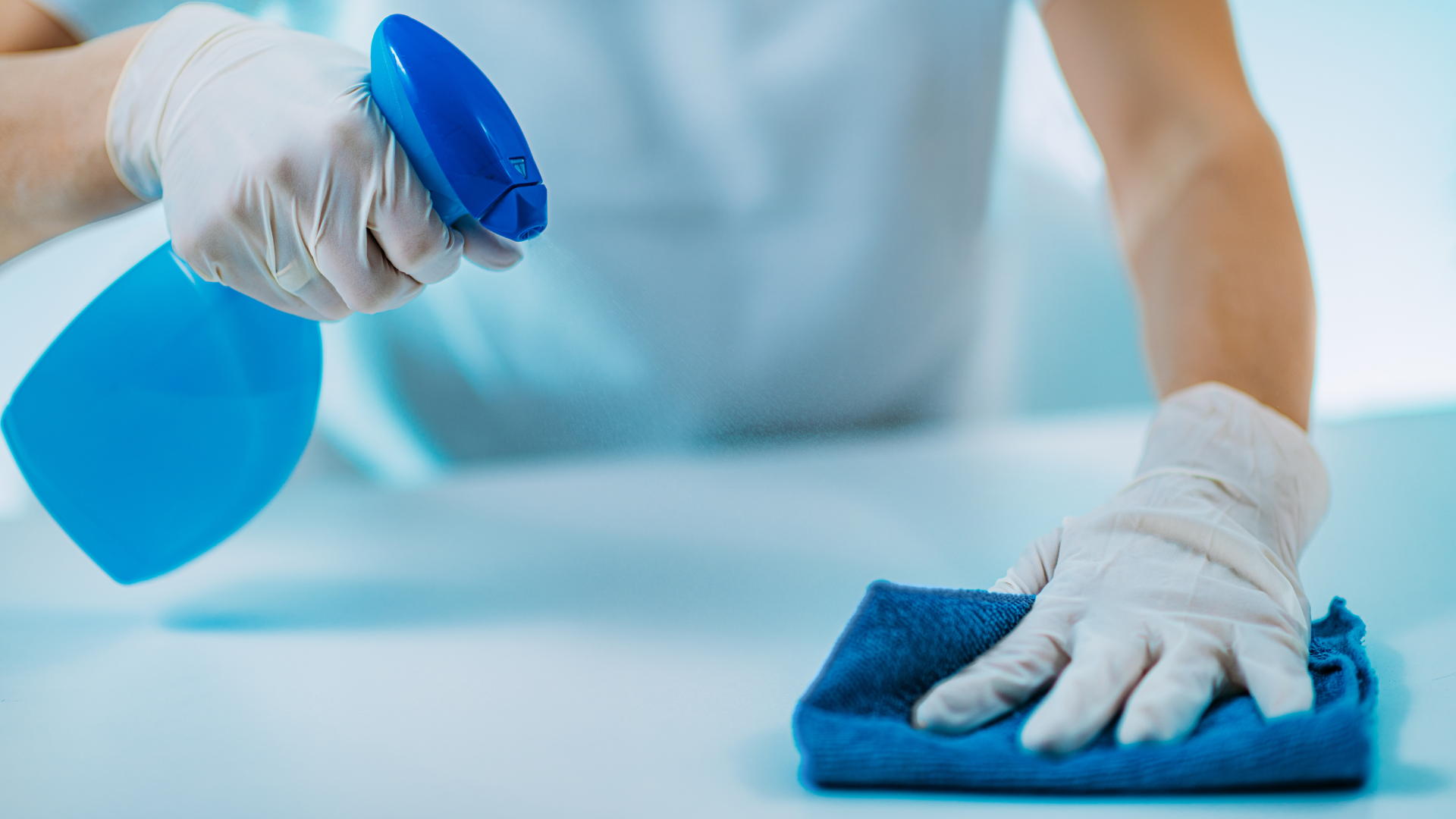
By Safe4 – The Professional Solution
More than just looking clean
Keeping a veterinary practice clean is about far more than appearances. Good cleaning protocols help reduce the spread of infection, protect patients and teams, and create a safer environment for everyone walking through the door.
In busy practices where people are constantly moving between consult rooms, kennels, theatres, and prep areas, having a consistent approach to hygiene is incredibly important.
Cleaning and disinfecting are not the same thing
One thing that is often overlooked is that cleaning and disinfecting are two separate processes.
Cleaning removes:
- Dirt
- Hair
- Blood
- Saliva
- Organic material
Disinfecting helps kill harmful:
- Bacteria
- Viruses
- Fungi
In veterinary environments, both steps matter. A kennel or consult table may look spotless, but without proper disinfection, infectious organisms may still be present.
This is especially important when dealing with common veterinary pathogens including:
- Parvovirus
- Kennel cough
- Feline calicivirus
- Ringworm
The role of disinfectants in practice
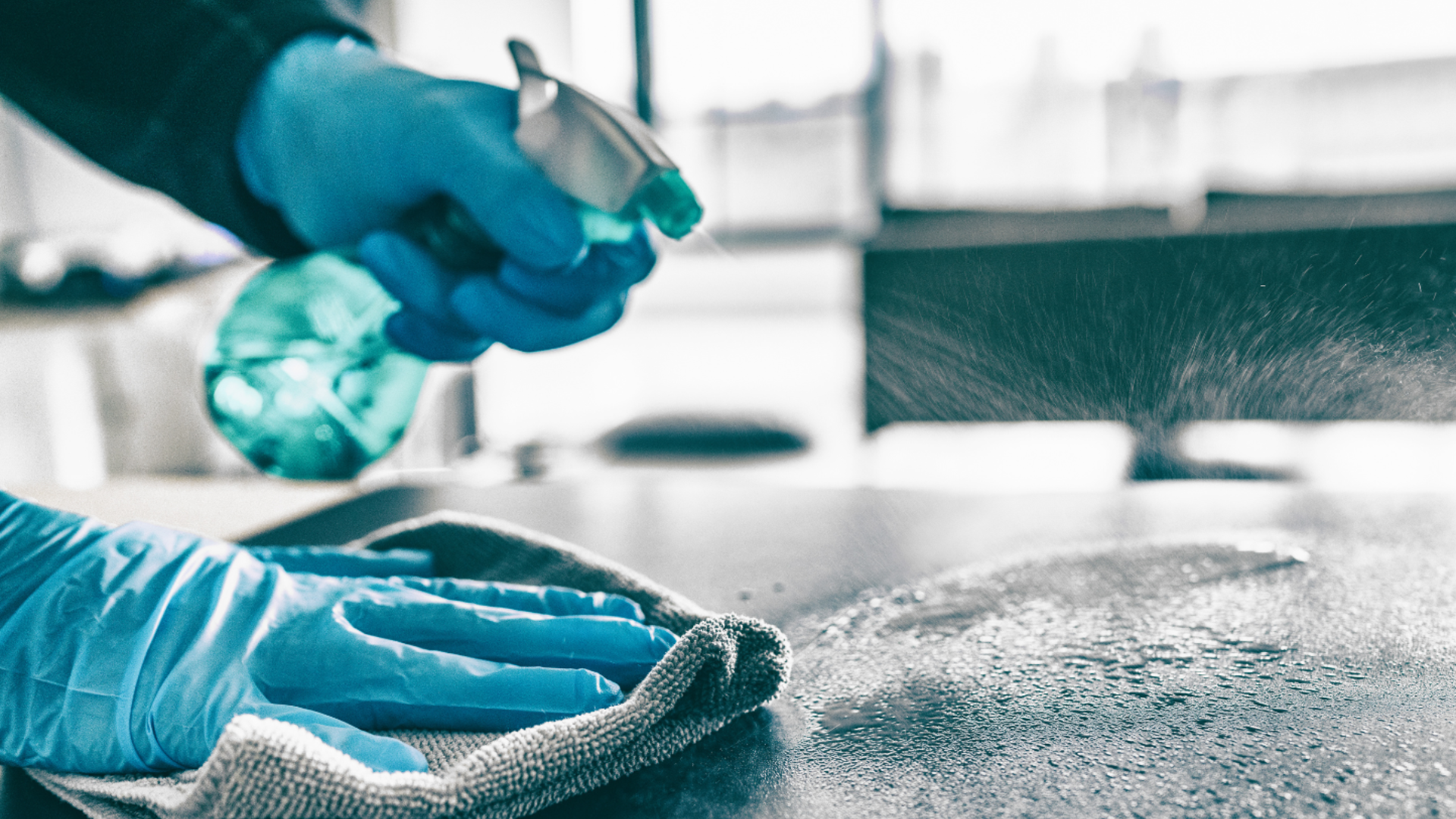
Disinfectants play a key role in reducing contamination throughout a practice, from floors and kennels to worktops and equipment.
In most clinics, disinfectants form part of the daily routine through activities such as:
- Cleaning between patients
- End-of-day cleaning
- Theatre preparation
- Managing isolation areas
Consistency is critical.
Having clear protocols helps ensure everyone within the team works to the same standards, even during busy periods. It also reduces uncertainty around which products should be used in different clinical environments.
Why hand hygiene still matters
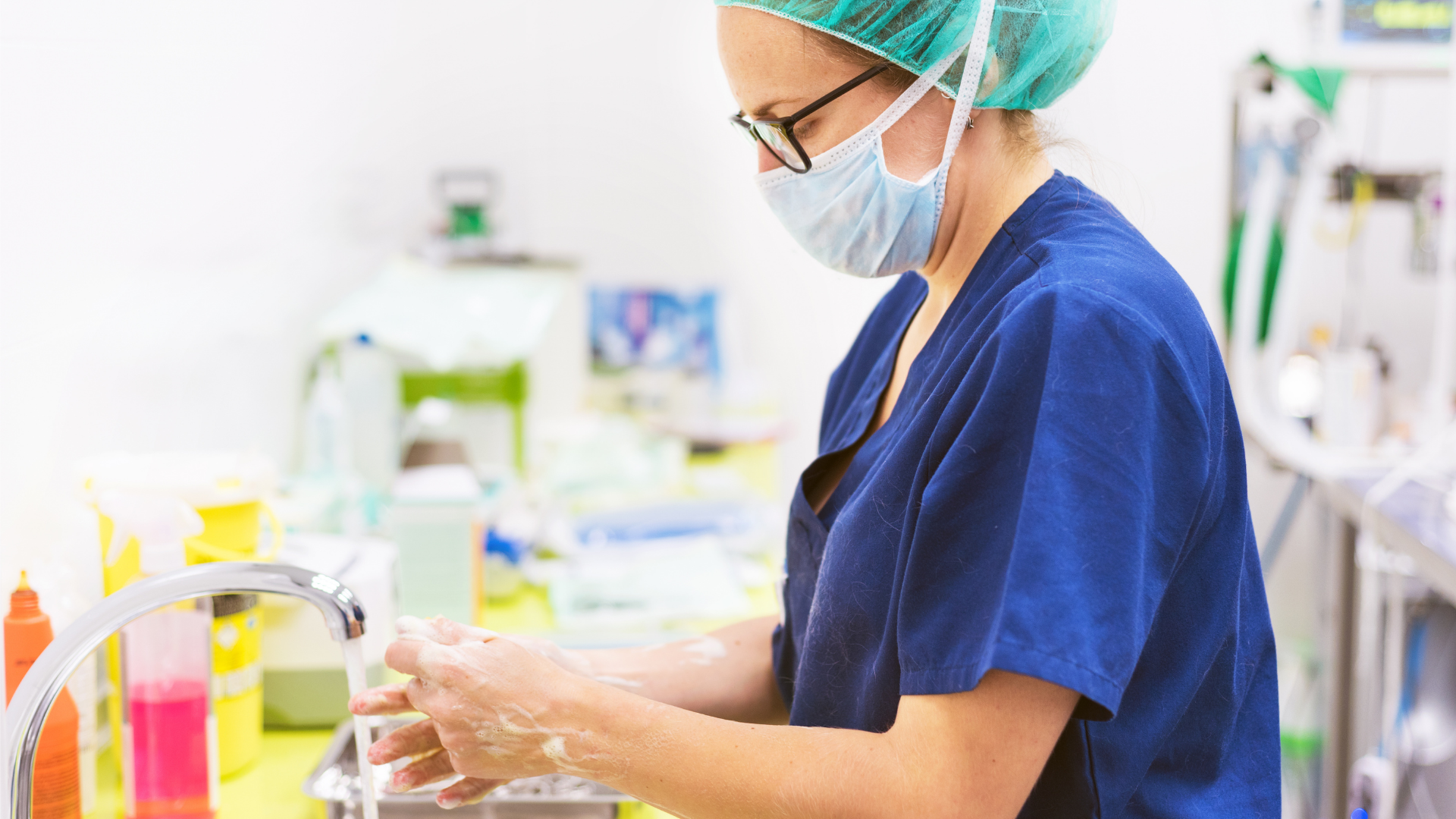
Hand hygiene remains one of the simplest and most effective ways to reduce disease spread within veterinary settings.
Veterinary teams handle multiple patients, surfaces and pieces of equipment throughout the day, making it easy for germs to move unintentionally around the practice.
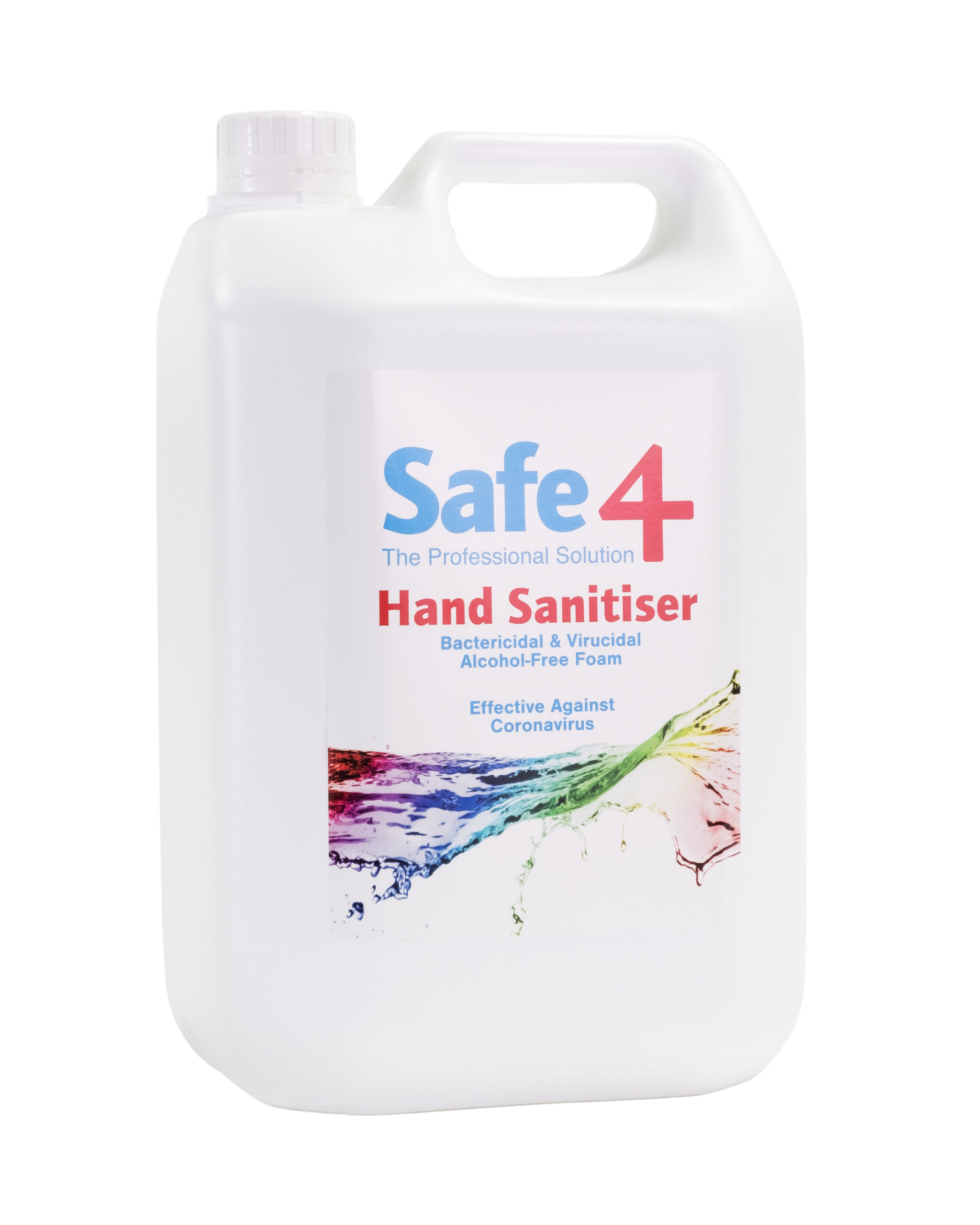
Having hand sanitiser readily available makes it easier for teams to clean their hands quickly between tasks, particularly when moving between clinical and non-clinical areas.
While hand washing remains essential when hands are visibly dirty, hand sanitisers can improve hygiene compliance during busy periods.
Useful locations for hand sanitiser stations include:
- Reception areas
- Consultation rooms
- Kennels
- Preparation rooms
- Treatment areas
Emerging infection risks in clinics
Cleaning protocols have become even more important due to growing concerns surrounding antimicrobial resistance and so-called “superbugs”.
Bacteria such as:
- MRSA
- Resistant strains of E. coli
are becoming increasingly common within both human and veterinary healthcare settings.
There are also concerns surrounding bacteria associated with raw feeding diets. Some raw pet foods may contain:
- Salmonella
- E. coli
- Campylobacter
Pets may introduce these organisms into homes and veterinary environments.
As raw feeding continues to grow in popularity, practices are likely to encounter these risks more frequently.
Good cleaning and disinfection procedures help reduce the spread of these organisms and support stronger infection control and antimicrobial stewardship practices.
The growing use of disinfectant wipes
Disinfectant wipes have become increasingly popular within veterinary practices because they simplify rapid cleaning.
High-touch surfaces commonly missed during routine cleaning include:
- Keyboards
- Phones
- Door handles
- Weighing scales
- Workstations
Making wipes readily available encourages staff to clean these areas regularly throughout the day rather than relying solely on larger cleaning routines.
Plastic free disinfectant wipes are also becoming increasingly attractive for practices aiming to reduce plastic waste while maintaining high hygiene standards.
Keeping protocols simple and practical
The most effective cleaning protocols are often the simplest.
If procedures become overly complicated or unrealistic for a busy clinical environment, they are much less likely to be followed consistently.
Clear guidance should include:
- Which products to use
- Where products should be used
- How often cleaning should occur
Training and consistency are just as important as the products themselves.
Infection prevention is a team effort
Good infection control depends on the entire practice team working together.
Whether that means:
- Reception teams cleaning shared surfaces
- Nurses disinfecting kennels
- Vets sanitising equipment
- Teams cleaning consultation rooms between patients
every member of staff contributes towards maintaining a safe clinical environment.
Often it is the small actions repeated consistently throughout the day that have the greatest impact on reducing disease spread and improving hygiene standards.
When did you last review your cleaning and disinfection protocols?
Small changes can make a significant difference in protecting your patients, their owners and your team.
Select from NVS High-level Disinfectant Cleaner
Developed in collaboration with Safe4, the Select from NVS DEFRA-approved Disinfectant Cleaner, is effective against a broad range of bacteria, viruses and fungi, including the pathogens commonly associated with sheep farming. It is non-toxic and non-irritant at recommended dilutions, making it practical to use across housing, equipment and shared handling facilities.

Safe4 has been protecting professionals, those in their care and the environment for more than 20 years and is now recognised as a leading specialist in the biosecurity sector.
Their range of products is meticulously designed and thoroughly tested to ensure superior protection and has been specifically formulated to replace the harsh and hazardous cleaning products, commonly used in the professional environment.
Related products
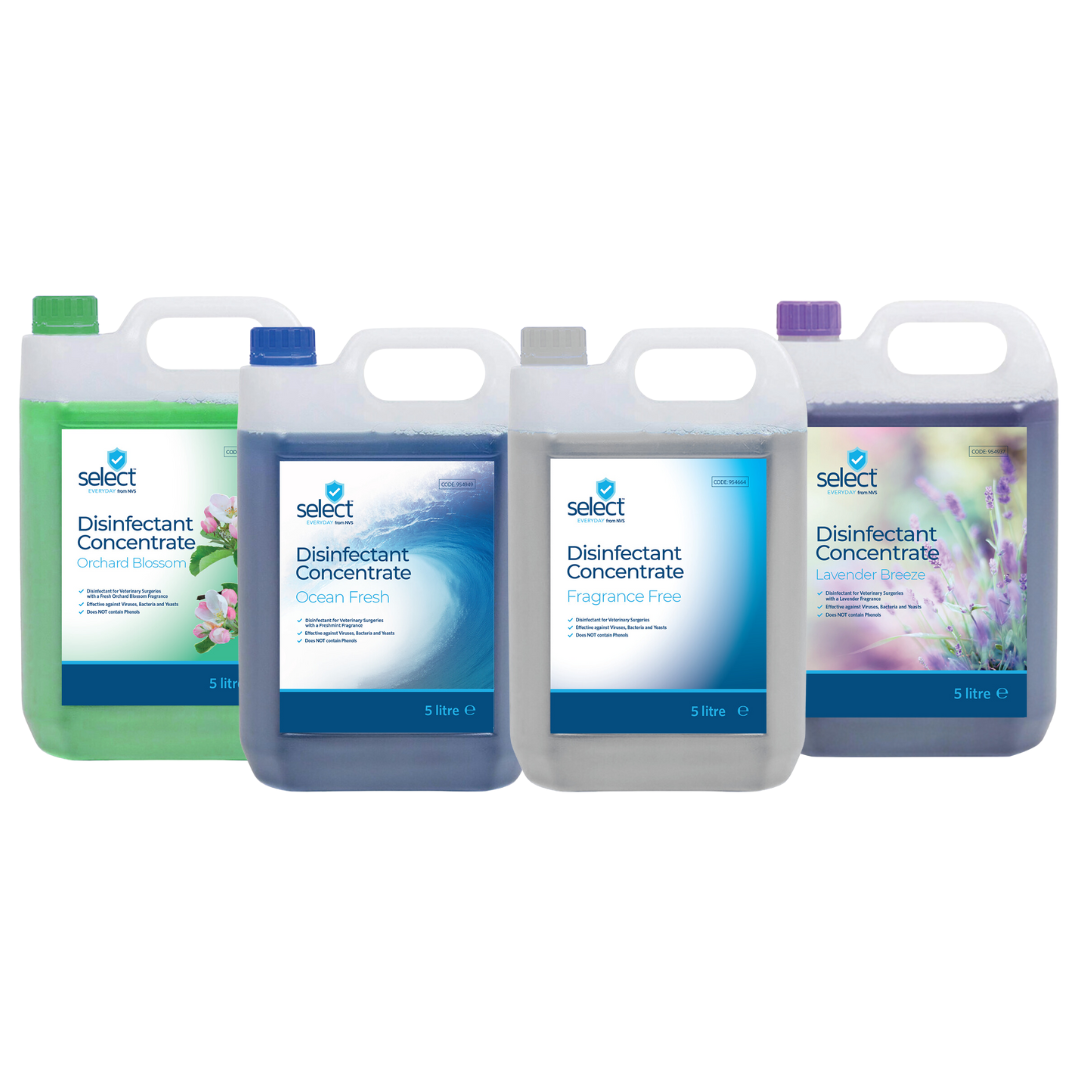
Disinfectant Concentrate 5L – Select