Why 4% Chlorhexidine remains a cornerstone of veterinary hygiene practice
23rd February 2026
Chemicals
Chlorhexidine scrub
Select from NVS
Surgical hygiene
Surgical scrub
The Cube
Vet-Way
Share article
By Kara Franklin, MD, Vet Way® Ltd, manufacturers and distributors of high-quality veterinary-grade chemicals and consumables.
Infection prevention remains one of the most controllable determinants of clinical outcome in veterinary practice. Whether managing routine procedures, wound care, skin preparation, or staff hand hygiene, the choice of antiseptic has a direct impact on microbial burden, patient safety, and consistent ‘best practice’.
Among the range of available antiseptics, chlorhexidine gluconate at a 4% concentration continues to occupy a central position in veterinary hygiene protocols. Its continued use is not driven by tradition, but by a substantial body of published evidence supporting its mechanism of action, antimicrobial spectrum, and practical reliability across veterinary settings.
Why concentration matters: The evidence for 4%
The selection of a 4% chlorhexidine formulation is not arbitrary. Published studies demonstrate that this concentration offers a balance between antimicrobial efficacy, speed of action, and tolerability that is not achieved at lower strengths.
Lower-concentration chlorhexidine products may retain activity but often demonstrate reduced speed and depth of microbial kill, particularly under field conditions rather than controlled laboratory environments.
Residual activity: A practical advantage in veterinary practice
One of chlorhexidine’s defining characteristics is its residual activity. Following application, chlorhexidine binds to keratin and the outermost layer of the skin, continuing to suppress bacterial regrowth for several hours.
This property is consistently demonstrated in published work and offers practical advantages in veterinary practice:
Reduced microbial rebound between procedures
Added protection during longer interventions
Improved consistency where repeated handwashing or skin preparation is required
Alcohol-based antiseptics, by contrast, provide rapid kill but lack residual antimicrobial activity, making chlorhexidine-based formulations particularly valuable where sustained hygiene control is required.
Relevance across veterinary hygiene applications
Importantly, the evidence base for 4% chlorhexidine extends beyond a single use case. Its documented performance supports use across multiple veterinary hygiene applications, including:
General skin preparation
Hand hygiene for veterinary teams
Cleansing of contaminated skin prior to procedures
Part of broader infection-control protocols within practices
Its versatility, combined with a well-understood risk profile, explains why chlorhexidine remains embedded in both practice-level protocols and professional guidance.
Conclusion
The continued use of 4% chlorhexidine in veterinary hygiene products is firmly grounded in published scientific evidence. Its antimicrobial spectrum, residual activity, and practical reliability explain why it remains a reference standard in infection-control strategies across veterinary medicine. As practices face increasing caseloads, antimicrobial-resistance pressures, and regulatory scrutiny, the value of well-understood, evidence-supported hygiene tools should not be underestimated. Chlorhexidine at 4% concentration remains one such tool – not because it is familiar, but because it continues to perform where it matters most, protecting both patients and professionals.
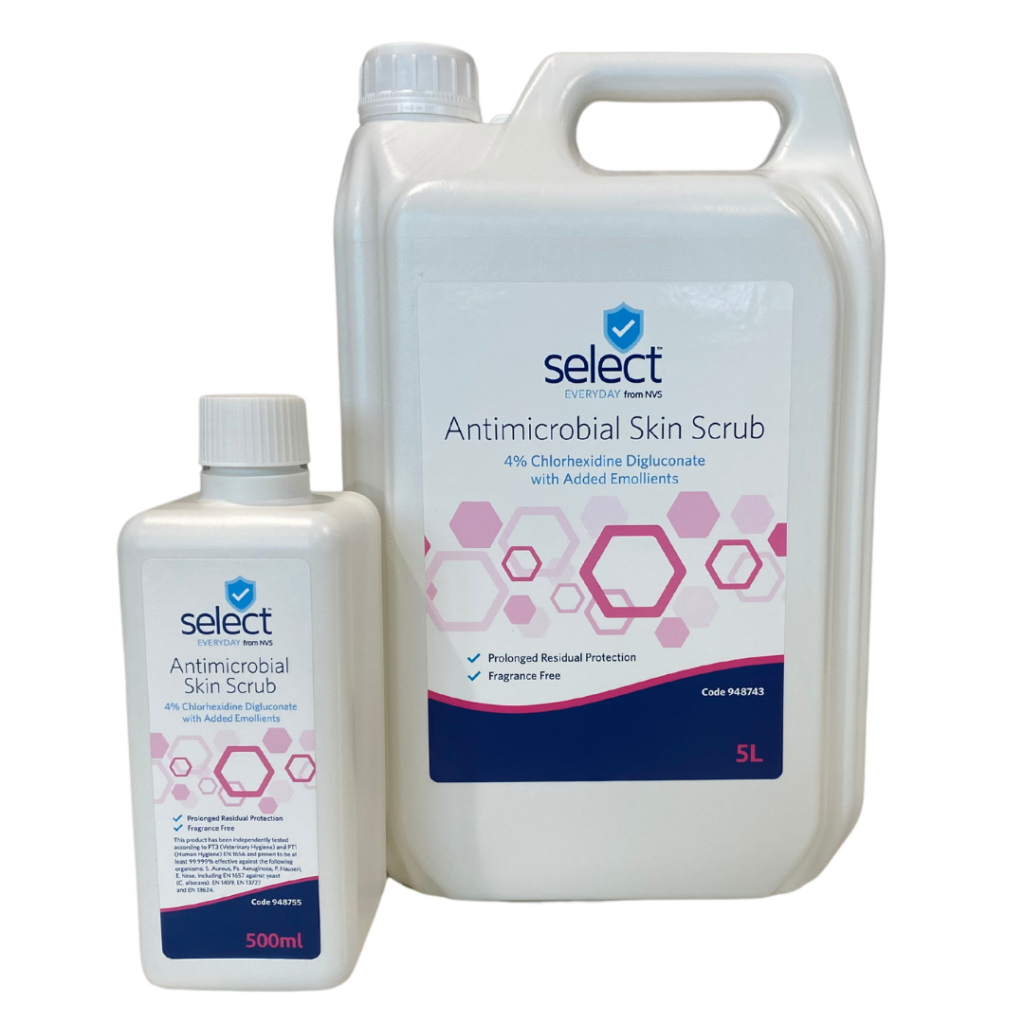
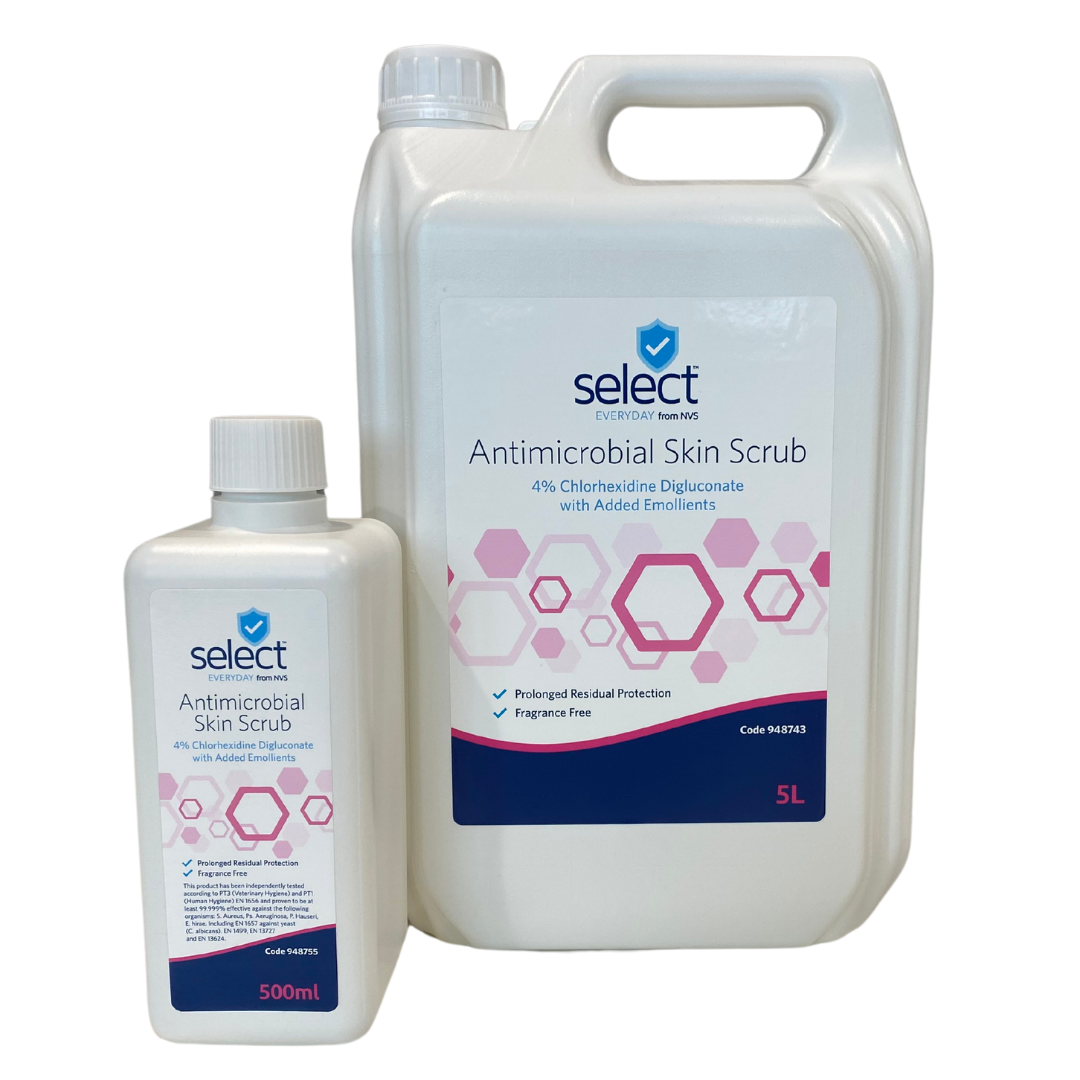
Select from NVS 4% Chlorhexidine Surgical Scrub
A professional formulation of 4% Chlorhexidine Digluconate with an Amine Oxide base, blended with emollients to reduce the risk of skin irritation during use.
Kara Franklin is the Managing Director of Vet Way Ltd, a well-established company specialising in the manufacture and distribution of large animal chemical products and consumables. With over a decade of senior leadership experience, Kara has been instrumental in driving the company’s commitment to quality and compliance, empowering UK distribution partners and guiding them through tailored private label solutions. She prioritises technical support and education, ensuring that partners are equipped to deliver the best possible products to UK Vet practices.
Rooted in a Yorkshire farming family, Kara has a deep-seated passion for ‘best practice’ in livestock farming. In addition to her professional pursuits, she is actively involved in British Eventing, where she competes with her young horses, blending her love for agriculture with her dedication to equestrian sports.
The article was originally posted in The Cube magazine, February 2026 issue. Click here to read the magazine.