
By Olly King, veterinary clinician, leadership coach and founder of The Meraki Initiative
Ongoing Recruitment Challenges
Veterinary recruitment remains competitive, expensive and emotionally draining for understaffed teams perpetually recruiting (Figure 1). In addition to being the greatest threat to business growth, a recent study identified dealing with staff shortages as the highest scoring stressor amongst veterinary surgeons.
Many practices still heavily rely on reactive recruitment. A vacancy arises, you post an advert on a couple of job boards, perhaps on a veterinary Facebook group and your client facing Facebook page, and keep fingers crossed. Attracting zero, or no suitable, applicants you repeat the process and the cycle goes on, perhaps eventually engaging a recruitment agent.
On January 8th 2026, one veterinary jobs board had 665 and 328 small animal veterinary surgeon and nurse vacancies, respectively. But with job adverts easy to overlook, an over-reliance on this generic, unengaging approach, especially in a candidate-led market, is often ineffective.
Proactive recruitment marketing offers a more strategic, long-term solution. A core business activity, just like client marketing and financial planning, practices that consistently attract top candidates co-invest in being visible 24-7 to build their credibility as a great workplace.
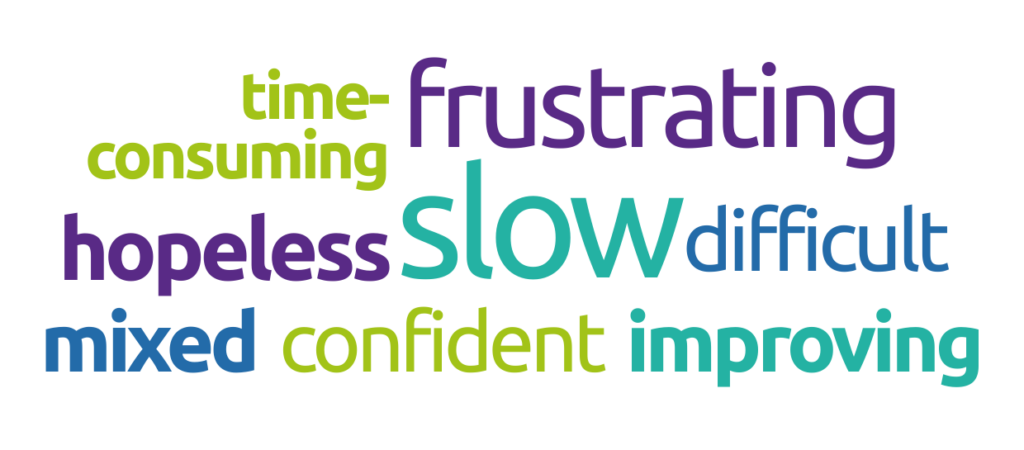
Figure 1 – Word cloud from the audience at London Vet Show 2024 presentation ‘Recruitment Marketing – hire better, faster and quicker’. Speaker Olly King. (Click video below to watch the full presentation)
What is recruitment marketing?
Recruitment marketing is the ongoing promotion of your workplace as a great place to work. It’s an “always on” recruitment mindset that shows you are open to connecting and want prospective team members to get in touch – irrespective of your recruitment status.
The goal is to make a strong first impression that builds a positive employer brand to excite, engage and attract candidates, and in doing generate a pipeline of talent before you need to recruit (Figure 2).
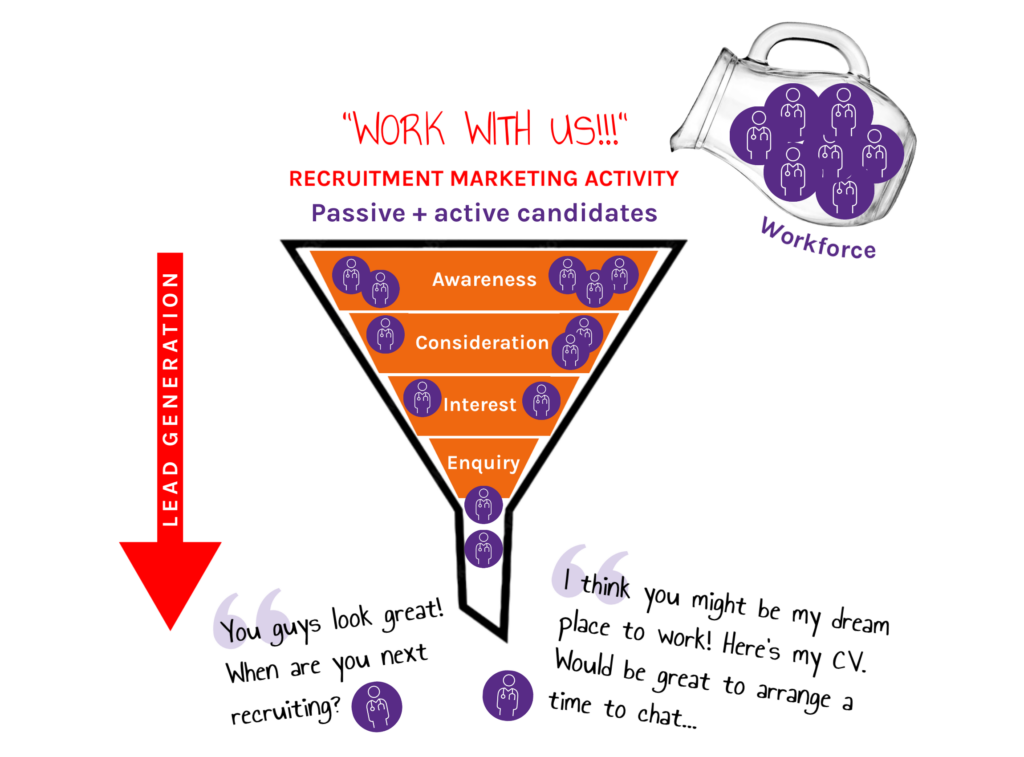
Figure 2 – Talent acquisition funnel. Recruitment marketing offers a better candidate experience. Instead of being ‘sold’ a job, candidates learn about you, building relationships that drive enquiry.
At a time when candidates are increasingly selective about who they work for, increasing awareness of who you are as an employer builds trust and an emotional connection with people who share your values.
Candidates are 1.8x more likely to apply for a job if they are familiar with the company.” LinkedIn
In being more transparent to show what you are all about, you make it easier for people to make more informed decisions as to whether you are a good fit. When a role is then advertised, candidates are much more intentional and motivated to apply.
Definition “Employer Brand”
The reputation and perception a workplace has as an employer, both internally, amongst employees, and externally, in the broader job market.
Make recruitment marketing a core business activity
Recruitment marketing is not about filling your next vacancy, it’s about putting better HR systems and processes in place to future-proof your talent acquisition (Table 1).
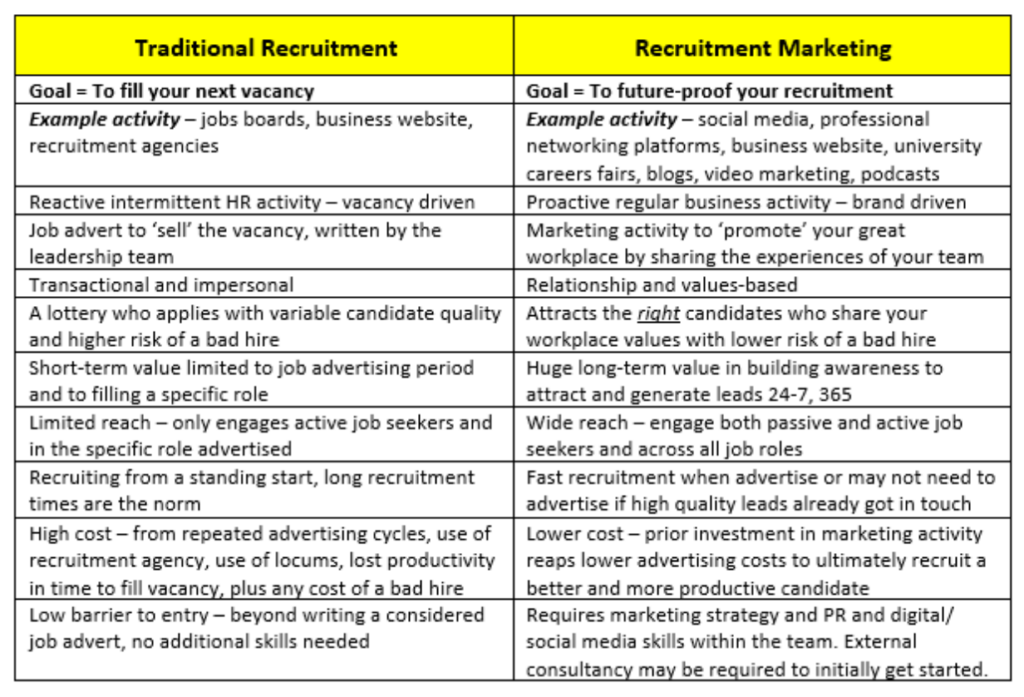
Table 1: Comparison of traditional recruitment and recruitment marketing
Benefits far outweigh the misnomers and fallacies that it is “extra work” or “just for corporates”. It is a far more cost-effective and sustainable recruitment strategy, making it a win-win when hiring budgets are being squeezed.
1. Reduction of long-term recruitment costs
In having a rich employer brand digital footprint you are easier to research, generate leads before you need to recruit and enjoy more applicants when you do advertise. The positive impact is a lower job board spend, being less reliant on agency fees and a faster time to fill your vacancy.
2. Improve candidate quality
Marketing key workplace insights makes it easier for candidates aligned with your values to gravitate to you with clear expectations. This paves the way for a smoother onboarding, shorter time to productivity, minimal disruption to team dynamics and improved retention.
Furthermore, you mitigate the risk of a bad hire. Should this happen, the cost of initial recruitment, onboarding, salary, team disruption, lost business productivity and the cost to re-recruit can easily equate to 1.5 to 4 times their annualised salary.
3. Protects long-term business growth
A warm talent pipeline is a risk management tool. The inability to recruit and being chronically understaffed impacts business productivity and client experience.
Simultaneously, excessive work demands impact the health and wellness of your people, risking burnout, stress, low morale, more sick days and high turnover – all negatively impacting your employer reputation and bottom line.
Build your employer brand
Your employer brand is born out of your employees’ experience (EX) and how people feel about their workplace. Internally it drives engagement and retention, but when shared externally, you are showing what you are really like to work for.
Definition “Employee Experience” – The employee-centric sum of the various perceptions and interactions that someone has with your workplace across their employee lifecycle and core experience domains.
The purpose in building your employer brand is not to attract everyone, but to attract the right people who want to be part of your team and culture. Core domains across the employee lifecycle stages (Figure 3) that are important you showcase as part of building a strong employer brand include:

Figure 3: The Employee Lifecycle. The journey an employee has with a workplace, from first learning about you to leaving the organisation.
- Culture and values – the core beliefs and principles that dictate the behaviours, personality of your workplace, decision making and how work gets done
- Purpose and meaning – people’s shared feelings that work matters, with alignment of personal values
- Growth and development – how learning, mentorship and career progression is supported and encouraged
- Recognition and rewards – how people are valued and appreciated through intrinsic and extrinsic rewards
- Wellbeing and work-life realities – the support for physical, mental and emotional health, alongside the working patterns and autonomy one has over their work
- Leadership – how leaders inspire and collaborate to create a psychologically safe environment where people love to work and are empowered to give their best
- Belonging and connection – the positive morale and camaraderie where people feel they matter, are respected and valued for who they are
Whether you have taken the time to actively unearth your employer brand, you will have one. Your team will discuss their workplace experiences with one another, including with people outside of your workplace at conferences, perhaps even on social media or employer review platforms. Vet students also, after completing EMS with you, will share their experiences with classmates.
Employee experience or engagement surveys are a great way to measure your leadership performance and indirectly get a sense of your internal employer brand. So invite honest feedback from the team. Find out what makes them stay. For example, what do they like best about working with you? What makes you different from previous places where they have worked? But also, what one thing would they change?
This is an invaluable learning exercise. As well as highlighting your strengths it unmasks any cultural facades to give you a strategic roadmap of how to drive positive change, helping ultimately to strengthen your employer brand.
Build your recruitment marketing strategy
84% candidates would consider leaving their current jobs if offered another role with a company that had an excellent reputation.” Glassdoor
In a world where only 12% of candidates trust what employers say about themselves, authentic communication to build your external employer brand requires your people to be at the heart of your marketing strategy.
Armed with a clear evaluation of your internal employer brand, put yourself in the shoes of those you seek to attract. What is it that candidates want to know about you? And what do you want candidates to know about you?
Invite your people to be brand ambassadors and contribute stories to evidence your leadership and what makes you a great place to work. A mix of experiences across job roles, employee ages and different employee lifecycle stages (Figure 3) will allow for the personality and diversity of your workplace to shine through.
In an authentic show, not tell approach, recruitment marketing is then the promotion of these insights across digital platforms (Figure 4) to show your team and culture at its best. You are seeking to engage the 85% of the workforce that are open to opportunities (Figure 5). To do this effectively your recruitment strategy should utilise at least six channels if you want drive strong lead generation. So while your practice website should always be up to date with a “Work with us” careers page, this is just one channel.
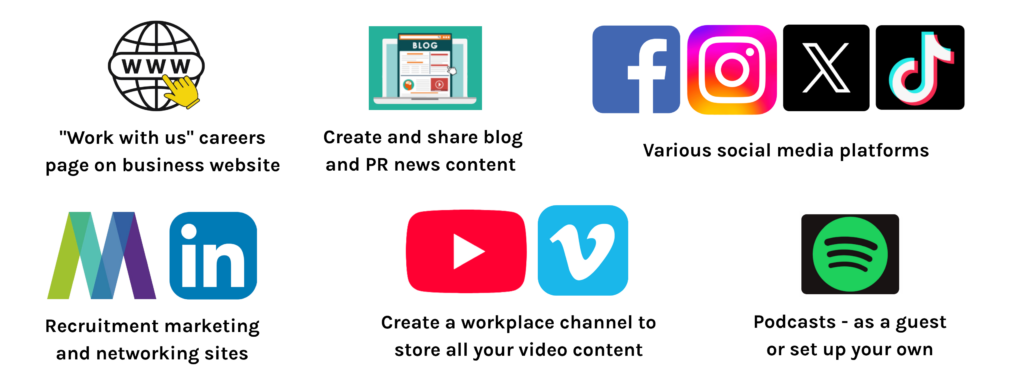
Figure 4: Digital platforms across which to execute your omni-channel marketing strategy.
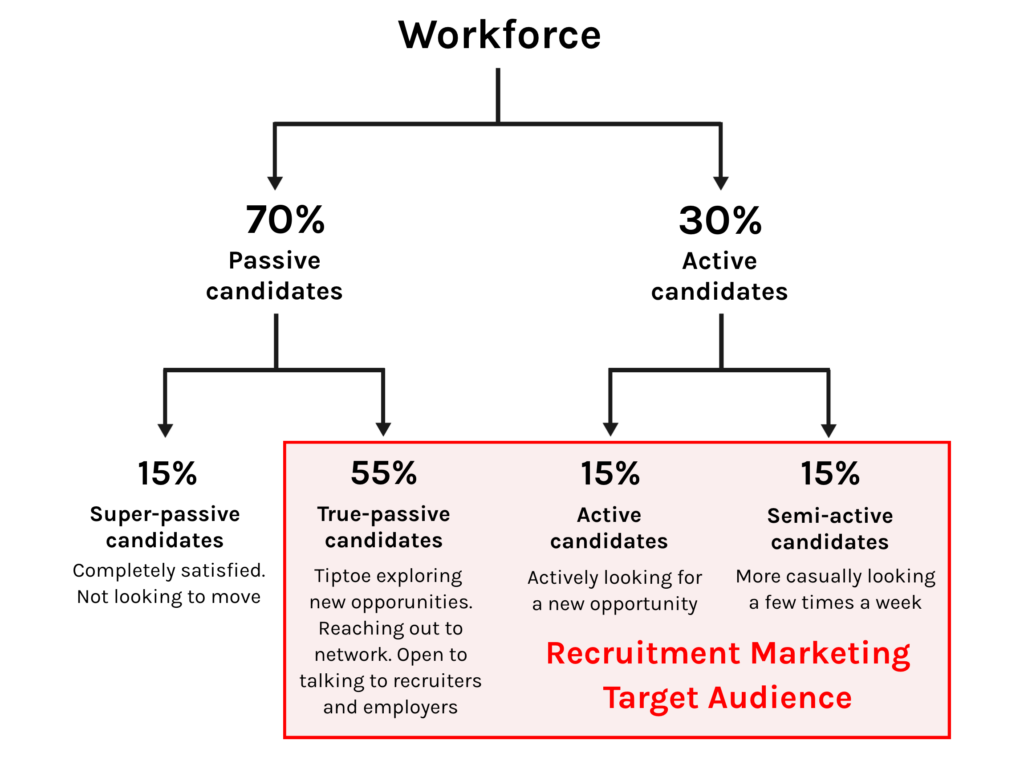
Figure 5: Passive and active job seekers as a breakdown of the workforce to highlight the size of your recruitment marketing target audience.
Social media is a great way to reach both active and passive prospects who are not actively job hunting. Note, different generations bias use of different social platforms. For example, Facebook is less used by Gen Z compared to Millennials and older generations, whereas Instagram is widely used by both Gen Z and Millennials.
The arrival of TikTok has seen an explosion in short-form videos, with Instagram reels now catering to this Gen Z favoured platform and content style. While uptake of TikTok by veterinary workplaces is limited, unpolished, authentic and visually engaging footage is great for communicating relatable employer brand content to a diverse audience.
Business profiles on Facebook are client focused. So content posted to engage prospective team members on your business Facebook page may be wasted and overlooked by your target audience compared to posting on Instagram.
Professional networking platforms are slowly on the rise in the veterinary space. LinkedIn offers a pan-sector space that has modest uptake by the clinical arm of the profession, but can be useful for making 1:1 connections.
More recently Meraki launched a bespoke veterinary recruitment marketing platform for employers and candidates to meet in a better way. With a searchable, personalised workplace profile, employers can upload video, pictures, copy and blogs to share rich insights, including a verified Meraki employee experience star rating. Employers can also integrate details of EMS opportunities, and post unlimited job vacancies, making it a versatile “work with us” careers page to showcase what you are all about.
When it comes to the content itself (Table 2), be mindful of different generational needs and expectations from a prospective employer. For example, Millennials may be reassured by seeing a list of your workplace values to check personal alignment. But Gen Zs will assume lip service is paid to these values without clear evidence of your values in action and how they sculpt day-to-day interactions and activity.
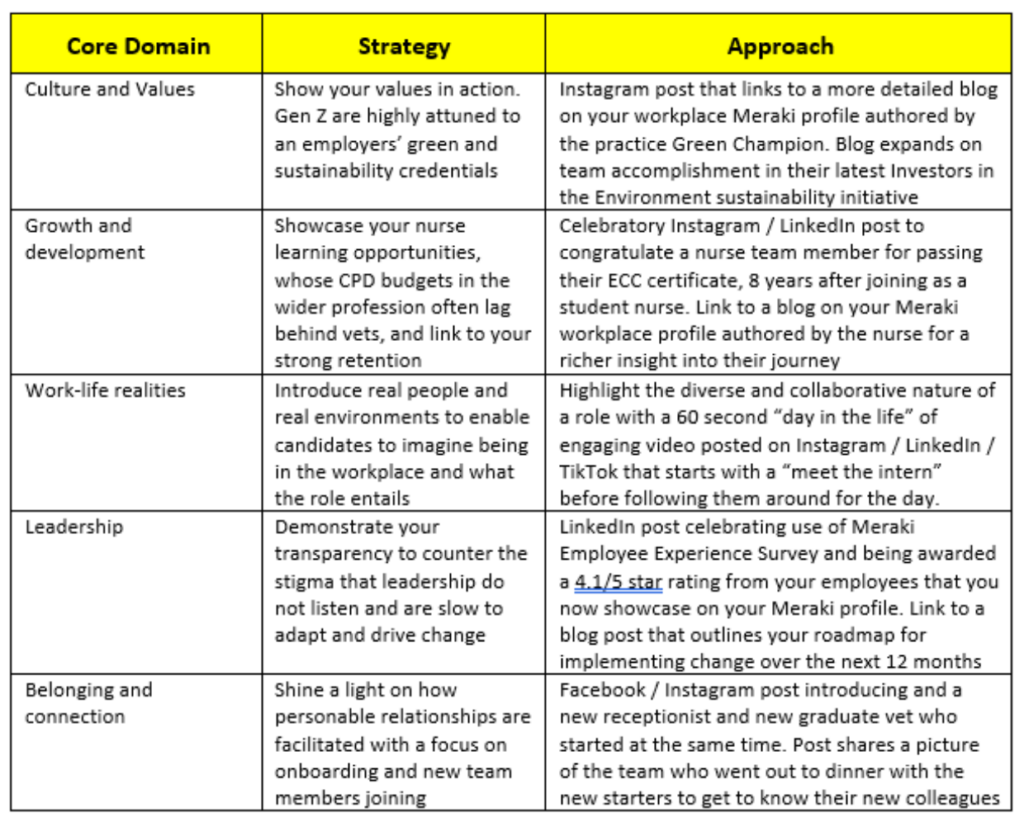
Table 2: Content ideas for your recruitment marketing
Recruitment marketing alongside traditional hiring
Case study: Greenbay Vets
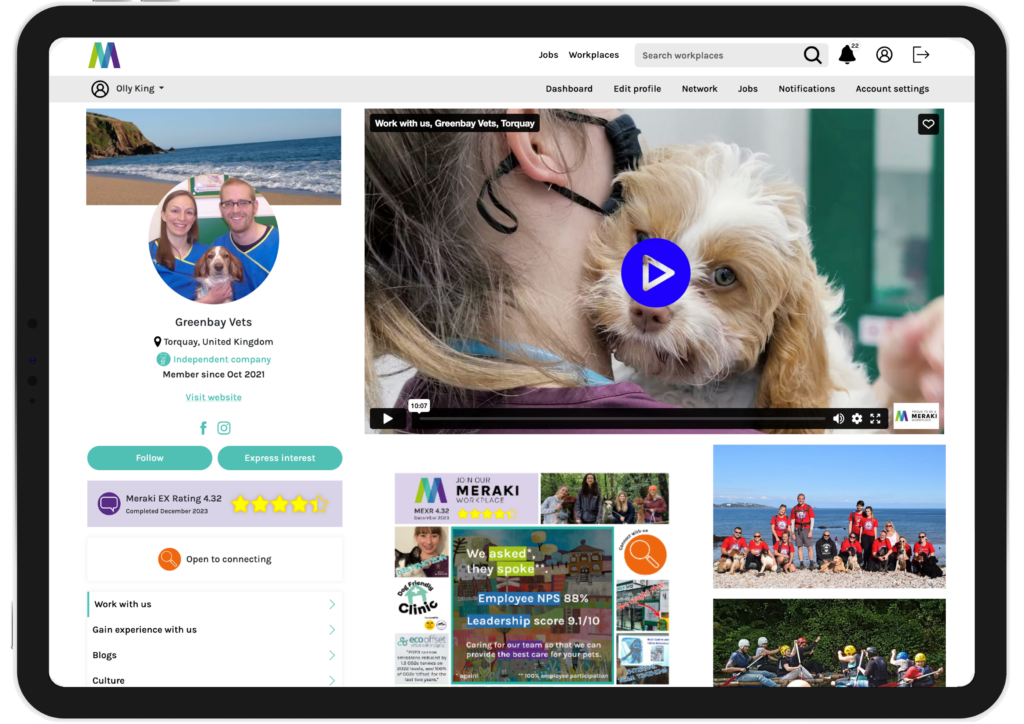
Greenbay Vets, an independent two-site small animal practice in South Devon, adopted a proactive recruitment marketing approach long before needing to recruit. Concerned by growing competition for talent, practice owner Laura Mather wanted to make it easier for prospective team members to research the practice, understand their culture, and be able to make direct contact – irrespective of live vacancies.
Laura created a workplace profile on Meraki to act as an “always on” recruitment marketing asset for the practice. Their profile showcased their values, approach to work-life balance, commitment to being sustainably staffed, and what they were like to work with. The profile included an authentic “meet the team and leaders” video and Meraki’s benchmarked employee experience data as social proof that they were a great workplace.
When Laura later decided to proactively expand the team, she integrated Meraki into their practice website and existing traditional approaches. A job advert was posted on Meraki and shared in weekly posts on two different veterinary Facebook groups, as well as posting a concise job advert on VetSurgeon. But instead of trying to say everything in the job advert, Laura simply signposted candidates to their Meraki profile to learn more about them.
The result was a handful of highly considered, values-aligned applications, and all from experienced clinicians. All applicants referenced their profile in their applications, demonstrating they had researched the practice and thought “yes, this is a good workplace for me!”. The role was filled without the need to re-advertise and with minimal advertising spend.
Laura shared feedback she received from one applicant, from New Zealand, in their application:
The page you had on Meraki is fantastic. I’ve never seen a job advert quite like it, and after reading through your profile I felt like I knew you all already. The video was great for me to get an idea of the people that make up your team, and I was able to appreciate your clinic’s goals and values.”
Not currently recruiting, Greenbay Vets’ profile on Meraki continues to generate leads, attracting vet student applications to undertake EMS and more recently a qualified nurse who connected to express interest in future career opportunities.
Click here to view Greenbay Vets profile on Meraki
Recruitment marketing – getting started:
1. Audit your current employer brand
Use an anonymous employee experience survey to unearth what your people think about working with you. Has working with you lived up to their expectations? Is their misalignment in what the leadership vs team think? Are any changes needed now to avoid potential team members leaving?
2. Audit your external employer brand
Research your online presence just as a candidate would. How easy are you to learn about? Does your digital footprint reflect who you are as an employer, workplace and the employee experience you offer?
3. Define your employee value proposition (EVP)
Get clear on the unique set of benefits and rewards you offer employees. Can you list 10 reasons why someone should work for you in exchange for their skills, experience, and commitment?
4. Let your people do the talking
Aligned with your survey results and EVP, invite your people to share their favourite and most proud workplace experiences. Capture behind the scenes insights through engaging photos, blogs and use of video to share the heart and ethos of the team.
5. Activate your social recruiting strategy
Plan and commit to 1-2 regular recruitment focused pieces of content per month. Test different platforms to see what content, format and platform works best. You might seek the help of a tech and social media savvy team member. Consistency is better than frequency, and crucially start before you need to recruit.
6. Create a workplace profile on Meraki
The centre piece of your recruitment marketing strategy. Make your workplace more accessible with a profile that introduces you to prospective team members and houses all your vacancies in one place. Link to signpost from your business website and Instagram to your Meraki profile for a superior candidate experience.
Recruitment marketing as a long-term investment
Recruiting is a war for candidate’s attention. An over-reliance on job adverts on noisy job boards risks leaving candidates frustrated and having to guess what makes you different. Recruitment marketing avoids this friction. It’s cost-effective and enables you to be always attracting talent for a more sustainable way to build a great team where people love to work. So instead of shouting when you are short staffed, invest in processes that nurture trusting relationships before you need to shout. Your job adverts then become the nudge to apply, rather than the introduction. When candidates know you before reading your job advert, you’ve won half the battle!
Found this article helpful? To kick-start your recruitment marketing strategy get in touch with Olly at olly@merakiinitiative.com.
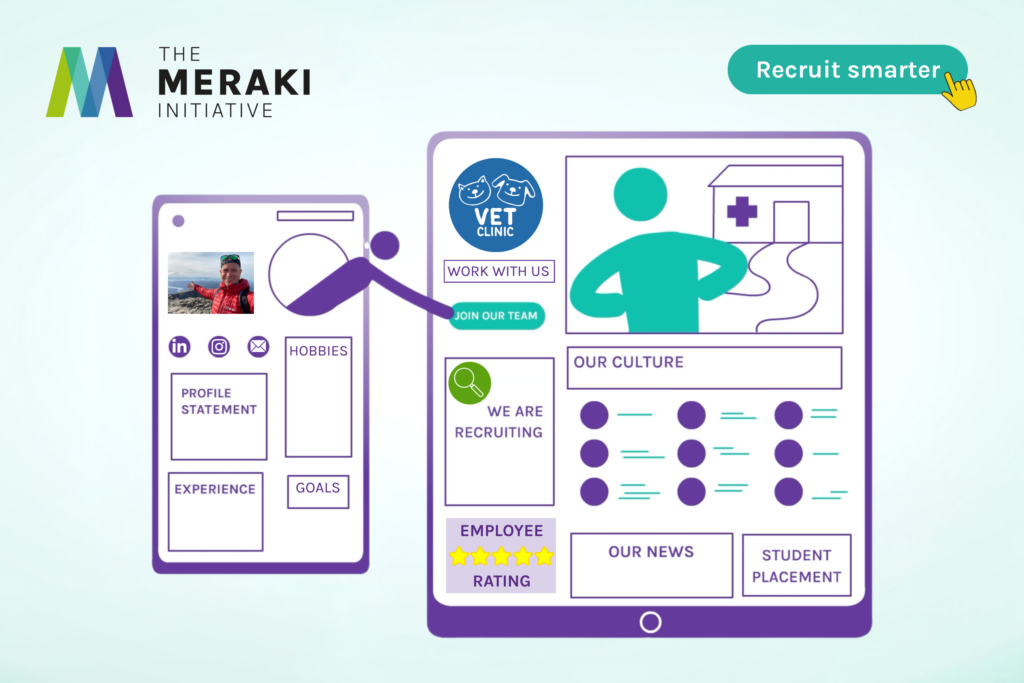
The Meraki Initiative is a recruitment marketing platform designed to bring the veterinary profession together. It combines an EMS database, job board and employer directory in one place, helping practices showcase their team, culture and career opportunities. By improving employer visibility and streamlining recruitment, Meraki makes it easier for people to find roles they love while reducing the time, cost and stress of hiring for businesses.
Discover more – merakiinitiative.com
More about the author:

Olly King, veterinary clinician, leadership coach and founder of Meraki
Olly founded Meraki, a 3-in-1 EMS database, job board and employer directory to bring the profession together to streamline how workplaces attract and recruit talent at all stages of their career. With 17 years’ experience of small animal and equine practice, Olly designed Meraki to showcase transparent workplace insights alongside career opportunities. A recruitment marketing platform, Meraki improves employer visibility to make it easier for candidates to find their dream role while reducing the stress and cost of recruitment for employers.
The article was originally posted in The Cube magazine, February 2026 issue. Click here to read the magazine.