
By Vet Way® Ltd, manufacturers and distributors of high-quality veterinary-grade chemicals and consumables.
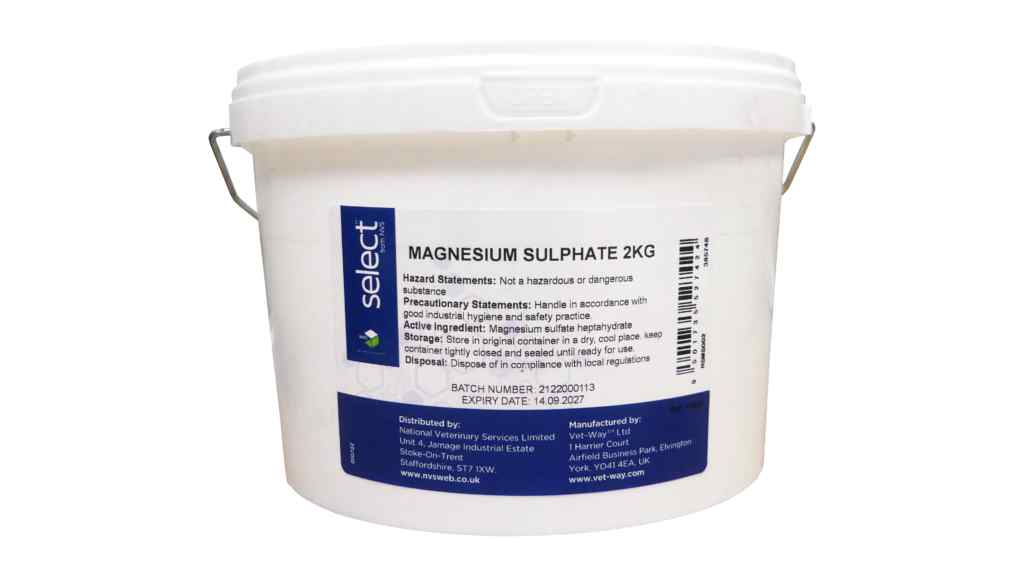
Magnesium sulphate, commonly known as Epsom salts, is a versatile pharmaceutical and industrial compound used extensively across various medical and veterinary applications. Its properties as a magnesium and sulphate source make it a valuable tool in veterinary medicine, particularly within practice settings. However, ensuring its safe and effective use hinges on understanding its applications, safety considerations, and sourcing through reputable suppliers.
Common Uses and Applications in Veterinary Practice
Treatment of Pre-eclampsia and Eclampsia in Pregnant Animals
Magnesium sulphate is used to prevent and manage eclampsia (milk fever) in lactating animals, especially in dairy cattle and some small animals. It acts as a muscle relaxant, reducing seizure risk.
Management of Hypomagnesaemia (Grass Tetany)
Grass tetany is a metabolic disorder caused by magnesium deficiency, often in grazing livestock during spring. Administering magnesium sulphate helps restore magnesium levels rapidly.
Laxative and Cathartic
When administered orally or rectally, magnesium sulphate acts as a laxative, aiding in gastrointestinal evacuation in cases of constipation or impaction.
Electrolyte Replenishment
It can serve as an electrolyte supplement in cases of electrolyte imbalance, especially in dehydrated or debilitated animals.
Anti-Inflammatory and Analgesic Effects
While less common, magnesium sulphate has been investigated for its anti-inflammatory and analgesic properties, particularly in wound care or joint conditions.
The Importance of Using Reputable Suppliers for Veterinary Chemicals
Ensuring the safety and efficacy of magnesium sulphate and other veterinary chemicals depends heavily on sourcing from reputable suppliers. Here is why:
Quality Assurance – Reputable suppliers adhere to strict manufacturing standards (e.g., GMP compliance), ensuring the chemical’s purity, potency, and consistency.
Regulatory Compliance – Authentic suppliers comply with UK and EU regulations, reducing the risk of counterfeit or substandard products entering your practice.
Safe Handling and Storage – Reputable suppliers provide proper handling instructions and packaging, which is vital for maintaining chemical stability and safety.
Technical Support and Documentation – Trusted suppliers offer comprehensive product datasheets, safety data sheets (SDS), and technical support, aiding in safe administration and troubleshooting.
Legal and Ethical Responsibility – Using genuine products demonstrates a commitment to animal welfare, client trust, and legal compliance.
Conclusion
Magnesium sulphate remains a valuable tool in veterinary medicine, offering benefits across multiple applications – from managing metabolic disorders to supporting reproductive health. However, its safe and effective use depends on proper dosing, monitoring, and sourcing from reputable suppliers. Veterinary practices that prioritise quality assurance and safety protocols can maximise the therapeutic benefits of magnesium sulphate, ensuring better outcomes for their animal patients.
Select from NVS collaborates with Vet Way® on our Select Everyday chemicals range – find out more about the full product range.
Related products