By John Bennett, Service Engineer, Infusion Concepts
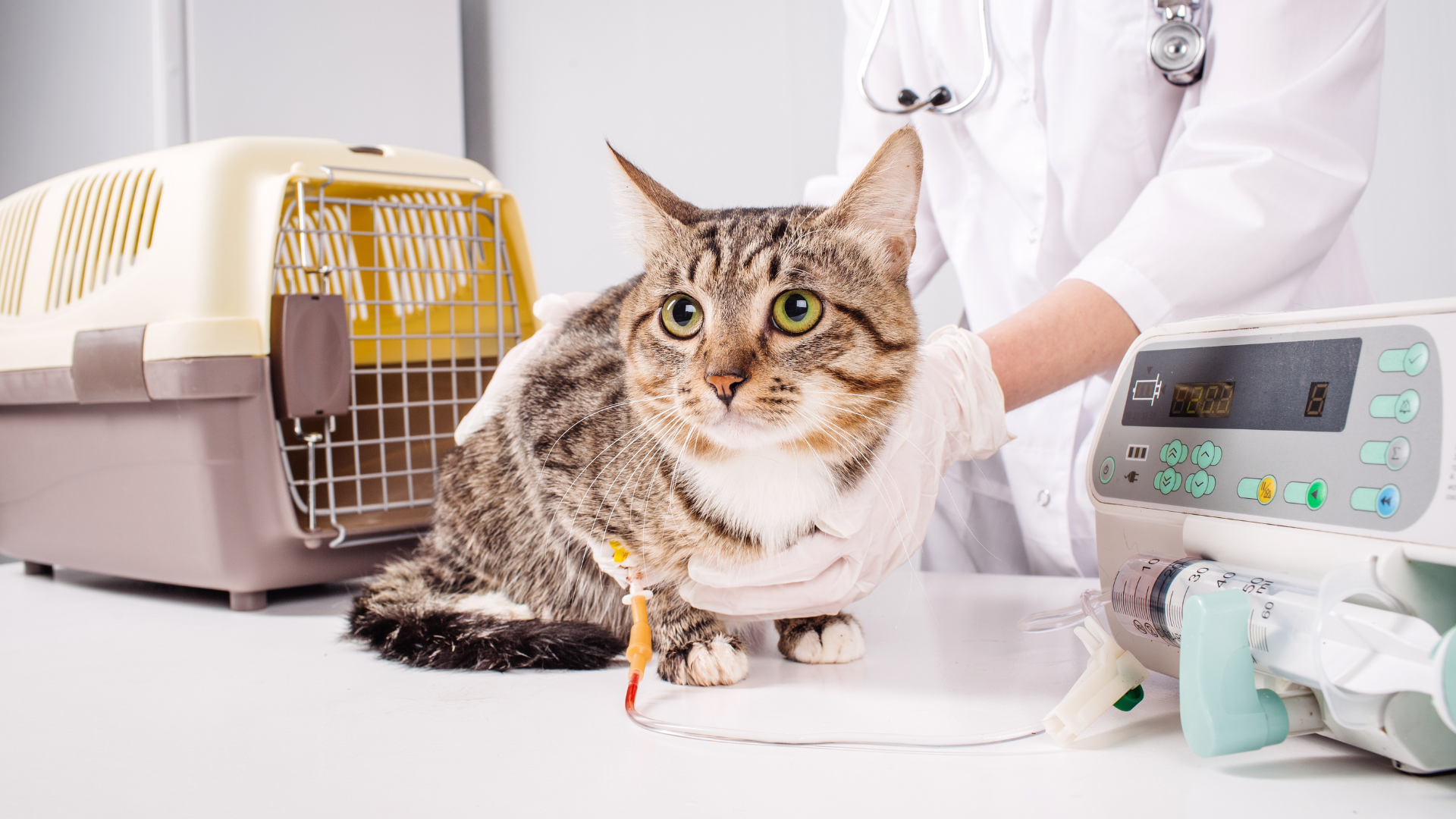
Infusion therapy is a cornerstone of modern veterinary care. From perioperative fluid support to critical care and long-term medication delivery, infusion systems are relied upon every day in practice to deliver accurate, uninterrupted therapy.
Yet one element of the setup is often overlooked: the infusion line itself.
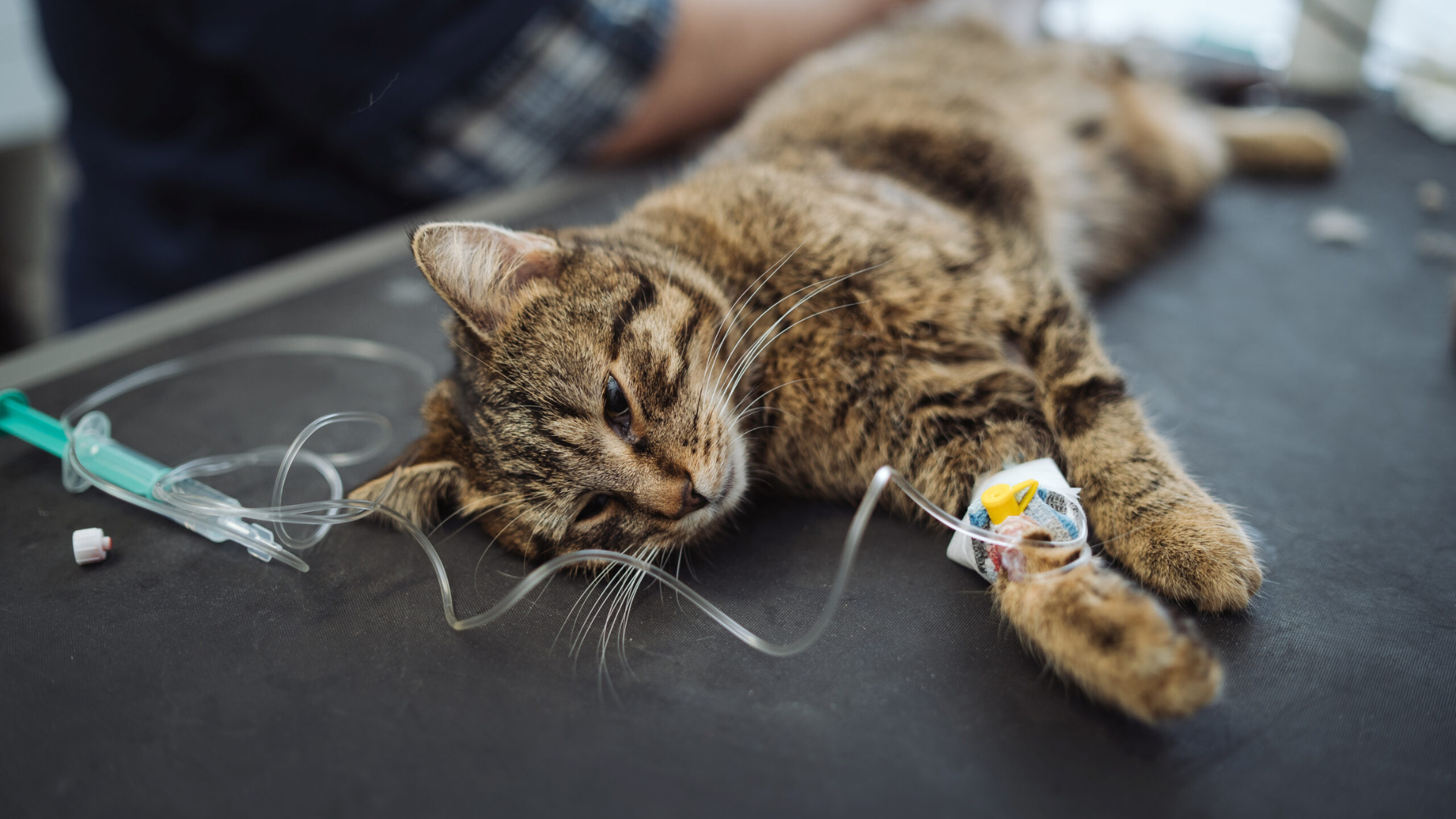
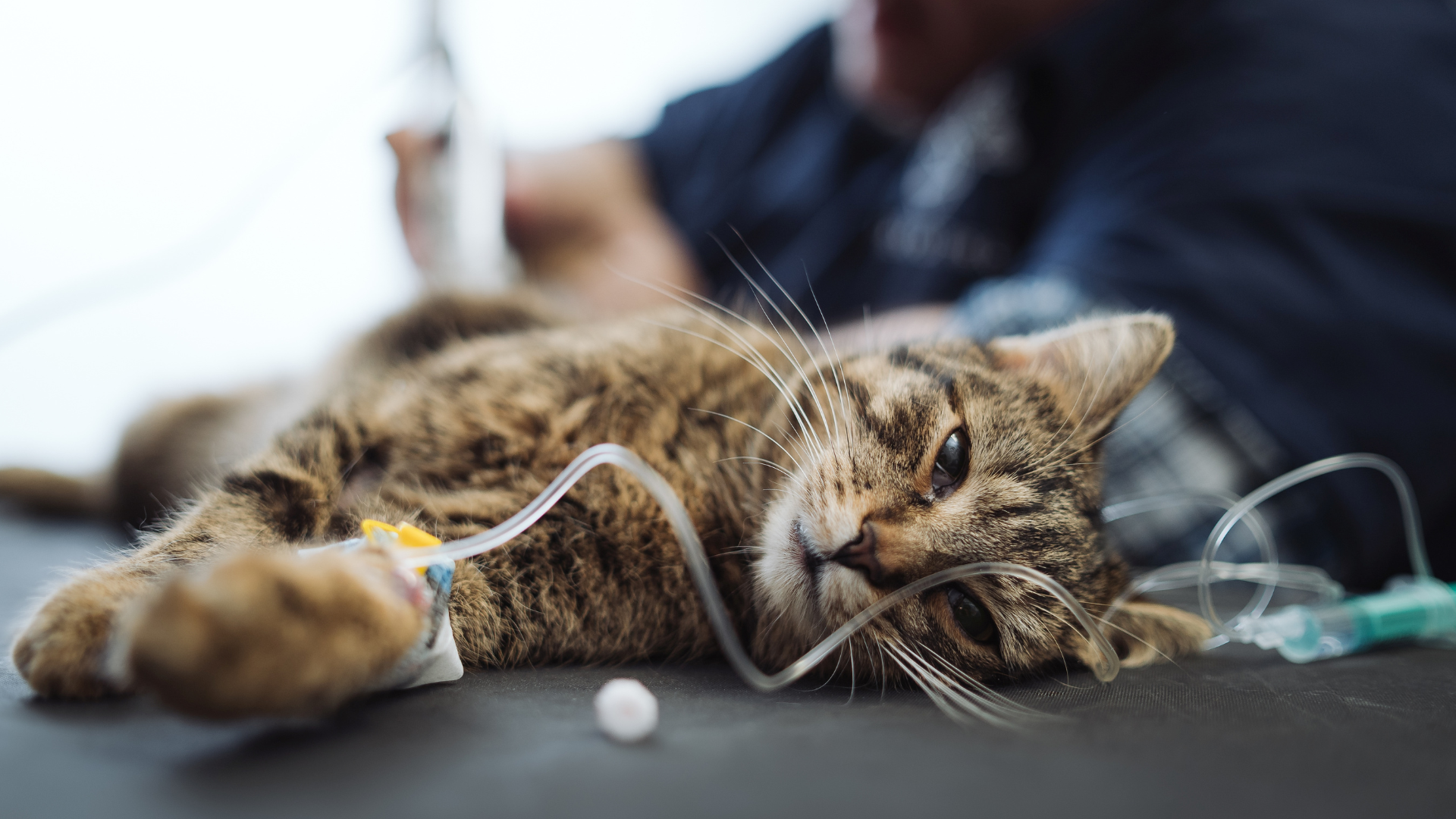
While it may be tempting to view infusion lines as a universal accessory, the reality is that veterinary patients place very different demands on equipment compared to human healthcare. Animals move, chew, twist, and are frequently housed in environments that simply weren’t considered when many human-designed products were created.
This is where veterinary-specific infusion lines come into their own.
# 1. Designed specifically for animals, not adapted from human care
Infusion Concepts veterinary infusion lines are designed from the ground up for animal use. Rather than adapting human products for veterinary settings, each line is developed with the realities of clinical practice in mind, whether that’s a restless dog in recovery, a cat confined in a cage, or a large animal setup requiring longer configurations.
The result is improved reliability, fewer interruptions to therapy, and greater confidence for the clinical team.
#2. Maintaining flow when it matters most
One of the most common causes of infusion disruption is tubing occlusion caused by kinking or twisting. Veterinary-specific infusion lines use kink-resistant tubing, with reinforced mid-sections and end extensions designed to maintain an open fluid path even when the line is bent or repositioned. This is particularly valuable in active patients or in space-restricted environments where tubing may be routed around cages or equipment.
#3. Built to withstand patient behaviour
Unlike human patients, animals don’t always cooperate with their treatment. Chewing, pawing, and sudden movement are all part of everyday veterinary practice.
Infusion Concepts lines feature toughened tubing and secure connectors, helping to reduce the risk of damage during treatment. This added durability can prevent leaks, reduce unplanned line changes, and minimise interruptions to care.
#4. Accuracy you can rely on
Infusion pumps rely on precise tubing characteristics to deliver accurate flow rates. Using non-specific or mismatched lines can compromise calibration and consistency.
Veterinary-specific infusion lines incorporate pump-specific tubing, ensuring compatibility with leading veterinary infusion pumps. This supports accurate delivery and predictable performance.
#5. Faster setup, less waste
In critical cases, time matters, and so does efficiency. Low priming volumes reduce fluid waste and speed up system setup, allowing clinicians to begin therapy more quickly. This can be particularly beneficial when using high-value fluids or medications, or when rapid intervention is required.
#6. Flexible, modular configurations
Veterinary treatment plans often evolve, and infusion systems need to adapt without unnecessary disruption. With in-line luer connectors, Infusion Concepts lines allow valves, extensions, or flow regulators to be added easily without disturbing the catheter site. This modular approach supports safer adjustments, reduces handling of the patient, and helps maintain aseptic technique throughout treatment.
#7. Improving safety for the clinical team
Needlestick injuries remain a risk in busy clinical environments. Where required, needle-free safety options such as swabable ports and valves can be incorporated to reduce risk and improve infection control. These features support safer working practices while maintaining ease of access for medication administration.
#8. The right length for the right patient
One size rarely fits all in veterinary medicine. Veterinary-specific lengths and configurations are optimised for kennels, cages, and large animal environments, helping to reduce excess tubing, minimise tangling, and create a safer, tidier setup around the patient.
Conclusion: Confidence in every infusion
Choosing veterinary-specific infusion lines isn’t about adding complexity, it’s about removing uncertainty. When lines are designed specifically for animal patients, the benefits are clear: better performance, fewer complications, improved safety, and greater confidence in every infusion delivered. Infusion therapy is only as reliable as its weakest component. By selecting equipment built for veterinary use, clinicians can focus on what matters most, delivering the highest standard of care to their patients.

Find out more – infusionconcepts.com
More about the author:
John Bennett, Service Engineer, Infusion Concepts

John “Ben” Bennett began his journey with Infusion Concepts in February 2012, bringing extensive expertise and dedication to his role as a service engineer. Operating from a state-of-the-art workshop facility in York, Ben is entrusted with the vital responsibility of managing all repair work on infusion pumps and an array of other medical equipment.
The article was originally posted in The Cube magazine, February 2026 issue. Click here to read the magazine.