
By Laura Gelder-Robertson, CEO, Vet Sustain
October is a time of transition. As the seasons turn from the warmth of Summer to the crisp Autumn mornings across the UK countryside, the robins are commencing their autumn song; native rowans glow with berries, offering vital food for blackbirds, redwings and wood mice preparing for the colder months; hedgerows brim with hips and haws, and fungi rise through damp soils, signalling nature’s resilience and renewal.
For farmers, Autumn brings both challenge and opportunity. Sheep graze on rich pastures in preparation for tupping. Pigs forage contentedly amongst the woodland floor, turning soil and enriching it in ways that echo regenerative practices. Dairy cows move from field to housing, their care guided by generations of knowledge and a growing commitment towards regenerative and sustainable farming practices that nurture land and livestock.
Pets, too, mirror the season’s changes. Dogs bound joyfully through fallen leaves, noses alive with earthy scents, while cats curl deeper into the comforts of home. There is deep joy in witnessing these cycles. reconnecting with the great outdoors and enjoying the light as the rhythms of animals, people, and environment weave together in quiet harmony.
For veterinary teams, Autumn means supporting this transition – keeping animals healthy, conserving nature and the landscapes that surround us, while strengthening the human-animal bond that lies at the heart of the profession.
A new strategy
At Vet Sustain too, we are in a process of evolving from hatchling to a small but mighty non-profit organisation in flight. We’ve just launched our new strategy for 2025-28 which lays out a clear pathway towards us ‘placing sustainability at the heart of the veterinary professions.’
Benefits for veterinary practices engaging in sustainability
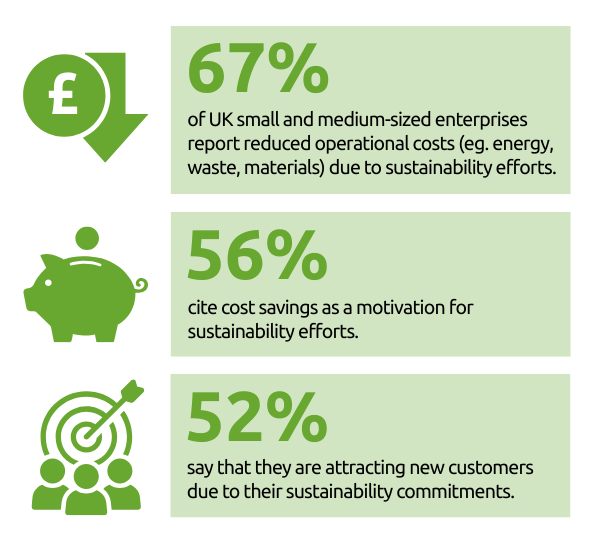
From the moment I joined Vet Sustain, people have been asking me how to make the business case clearer for sustainability within the veterinary sector. As the Willow Review reported earlier this year, there are many benefits for veterinary practices engaging in sustainability:
At Vet Sustain, our mission is:
To continually improve the health and well-being of animals, people and planet by enabling and inspiring veterinary professionals”
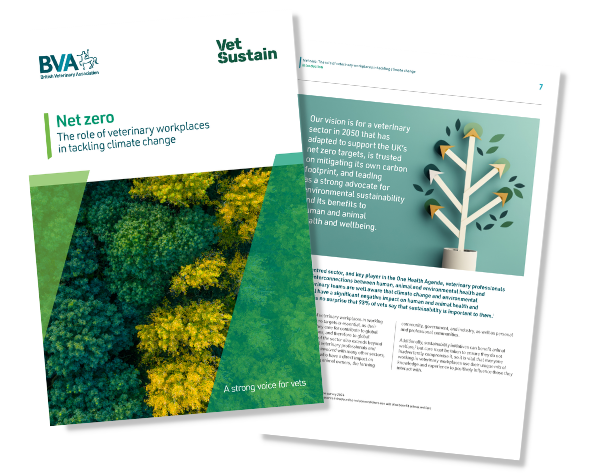
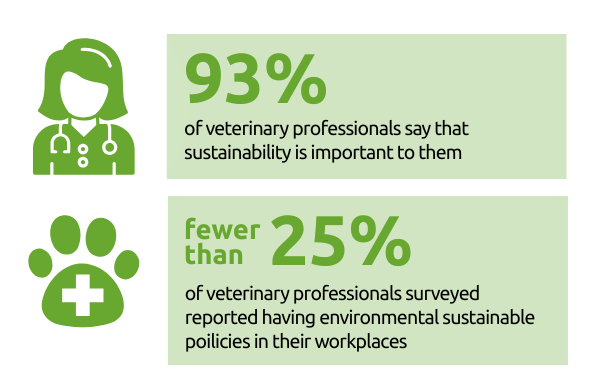
The 2024 BVA Voice study showed that sustainability is important to 93% of veterinary professionals, but our research has also shown that many people don’t know where to start, and fewer than a quarter of the veterinary professionals we surveyed reported having environmental sustainability policies in their workplaces.
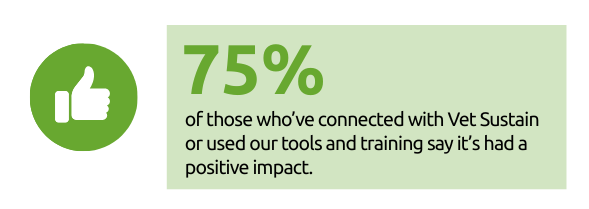
Our 2024 independent impact assessment showed that Vet Sustain has already had a positive impact for 75% of veterinary professionals who have connected with us or used our tools and training.
However, our goal going forward is to widen that effect, so that everyone in the veterinary professions has the knowledge, desire and support they need to play an active part.
A unique opportunity for the profession
2025 is a pivotal moment in this decisive decade across the veterinary professions. In light of the CMA investigation, we have a unique opportunity for the veterinary professions to become a leading force for sustainability and to demonstrate our role as trusted guardians of animal, people and planetary health and wellbeing.
Keep reading to discover more about our latest news and resources and find out how Vet Sustain can best support you and your practice.
Three Strategic Pillars
How Vet Sustain supports veterinary professionals
Our new strategy is built on three pillars: Learn, Connect, Lead. Each is designed to empower veterinary professionals to become sustainability champions.
Pillar 1. Learn
Building skills and confidence
We are the go-to provider of evidence-based veterinary sustainability tools, training, and resources. Our veterinary sustainability CPD includes:
- Carbon Literacy and Carbon Calculation – Helping professionals understand why sustainability matters within veterinary, what their practice impact is and how to minimise the effect they have on animals, people and planet.
- A Sustainable Approach to Clinical Veterinary Practice Course – This is a 35-hour Lantra-accredited, self-led course, designed to empower veterinary professionals to drive change within their workplace.
- Sustainability 101 Course – We’re in the process of developing a series of accessible, bite-sized courses that make it easy for professionals at the start of their sustainability journey to get started and make progress. Due to launch in late 2025!
Pillar 2. Connect
Building a network of best practice
We know change is easier when it’s shared. That’s why we are in the process of establishing the Veterinary Sustainability Roundtable – a cross-industry alliance tackling key welfare, environmental, and wellbeing issues. We are connecting veterinary professionals with peers, researchers, and industry bodies to share case studies, innovations, and lessons learned.
Through our working groups on Greener Clinical Veterinary Practice, Food and Farming, Equine and Curriculum Development, we’re ensuring veterinary professionals are part of a national and global conversation on sustainable working practices.
Pillar 3. Lead
Advocating for sector-wide change
Vet Sustain is committed to ensuring that veterinarians are visible leaders in the sustainability space. We attend major business, sustainability and veterinary conferences, publish best practice guides, and work with policymakers to embed sustainability in animal health and welfare standards.
We also champion the quadruple bottom line – measuring success not just in profit, but in healthier animals, healthier people, and a healthier planet.
The 6Ws of Veterinary Sustainability
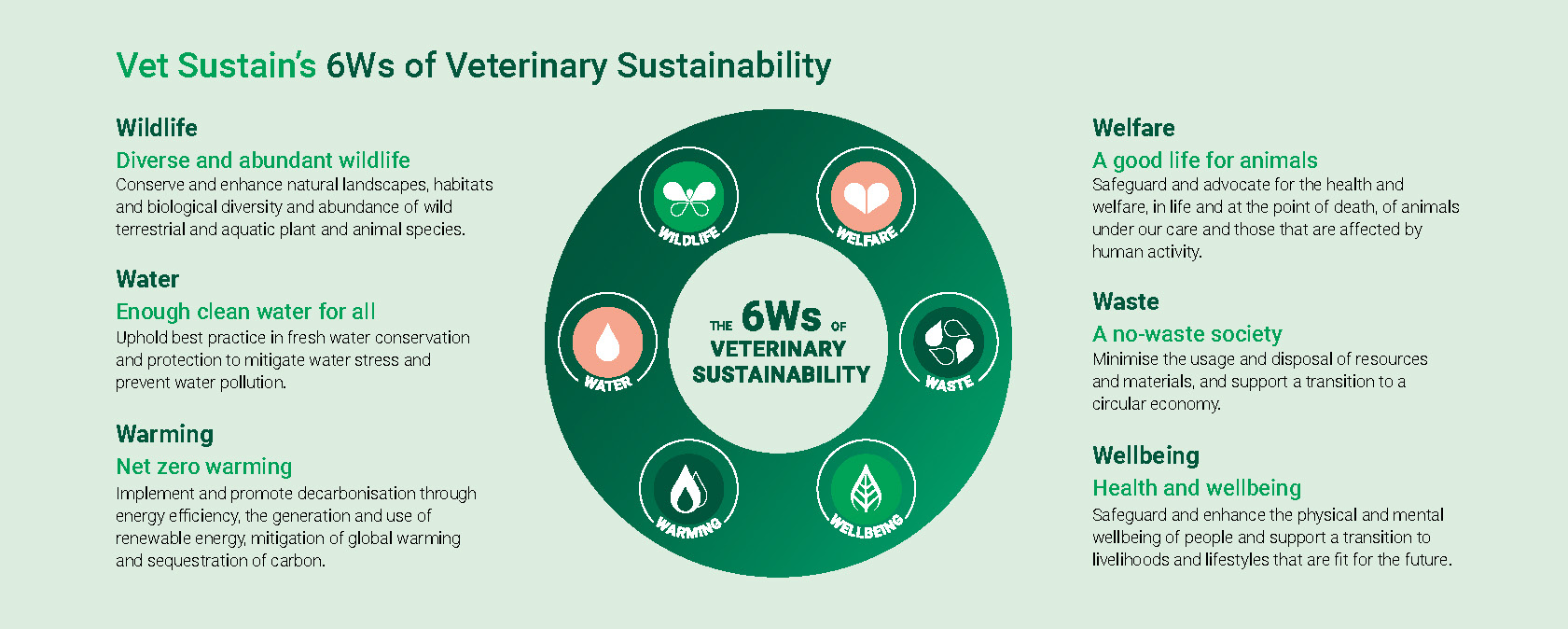
These are Vet Sustain’s blueprint to a brighter future for animals, people and planet. Mapped from the United Nation’s Sustainable Development Goals, made specific to the veterinary profession, the ‘6Ws’ offer a ‘mental checklist’ or a strategic lens to look through to consider the trade-offs in everyday decisions you make that could have real impacts across 6 key elements: Welfare, Wildlife, Warming, Wellbeing, Water and Waste.
It can be used at all levels of decision-making whether you’re shaping new policy, having conversations with clients about treatment options or making new purchase decisions in your practice.
Latest news and resources from us
We have recently published brand new parasiticide resources, pet pawprint resources and the Greener Veterinary Theatre Checklist for surgical operating space, which are all on our website. There are lots of ways you can get involved…
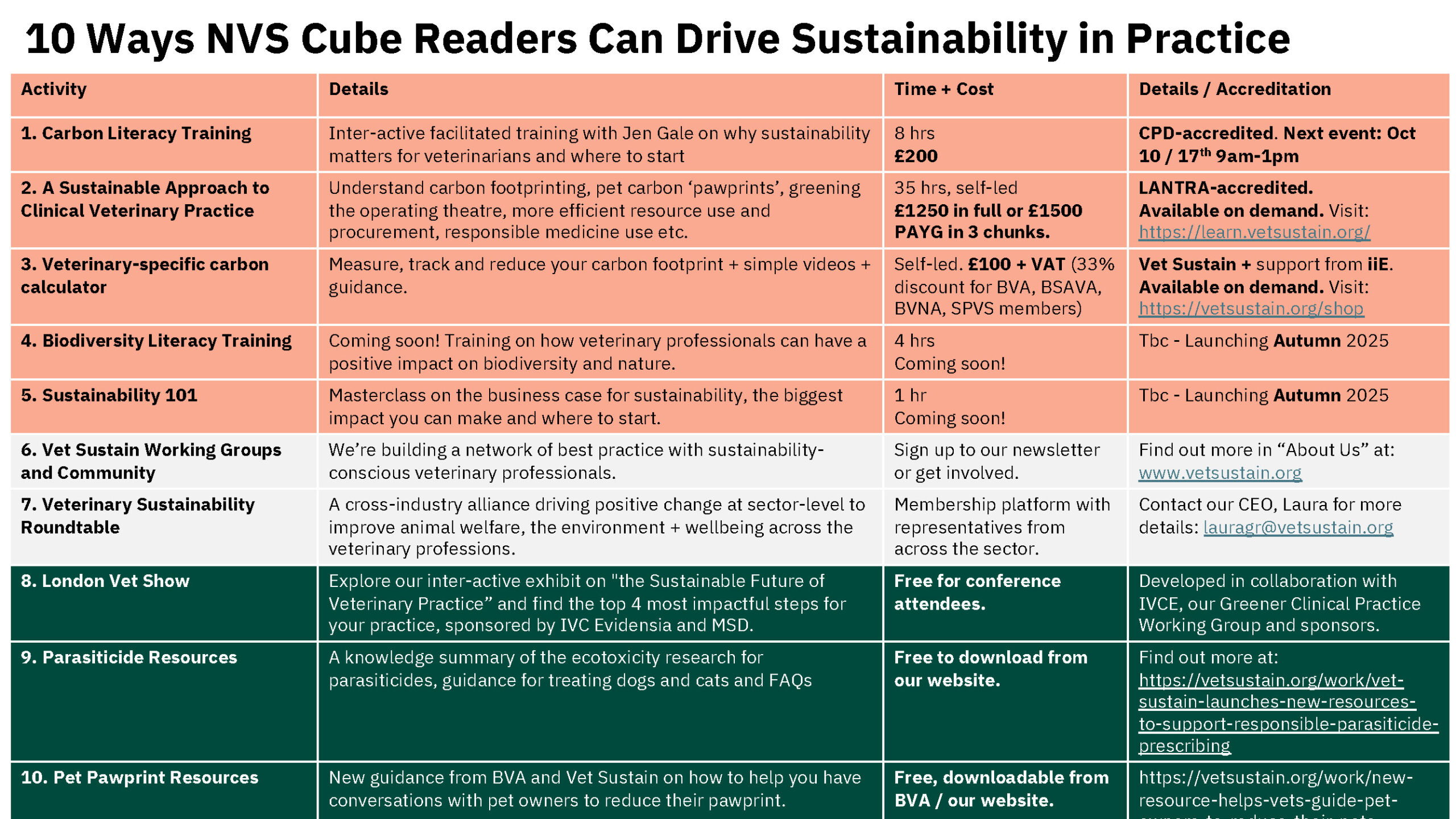
Veterinary Sustainability Webinars
If you’re curious about building a more sustainable future in veterinary medicine, why not come and join the conversation at one of our sustainability webinar series, which bring experts, innovators, and practitioners together to explore ‘hot topics’, the latest ideas, tools, and real-world solutions for greener, more resilient practices?
Our next webinar: Risk-Based Parasite Control
November 25th from 7.30pm – 8.30pm – Chaired by Hannah Davies with Rose Perkins, Nicole Dyer, Andrew Prentis and Claire Cieluch.
Find out more about Vet Sustain by visiting www.vetsustain.org
More about the author:
Laura Gelder-Robertson, CEO, Vet Sustain

Laura Gelder-Robertson is the CEO at Vet Sustain. She brings 25 years of business and sustainability experience working cross-sector with multi-national businesses, the Civil Service, small and medium-sized businesses and the third sector in innovation, systems thinking and organisational development across the healthcare, retail, professional services, pharmaceutical, and agricultural and land use sectors. She is an Assessor at Cambridge University’s Institute for Sustainable Leadership’s Towards Net Zero Business Course. She believes veterinary professionals have the potential to become a force for sustainability in society.
Connect with Laura Gelder-Robertson on LinkedIn.
The article was originally posted in The Cube magazine, October 2025 issue. Click here to read the magazine.