By Gemma Vardy, Senior Category Specialist, Select from NVS
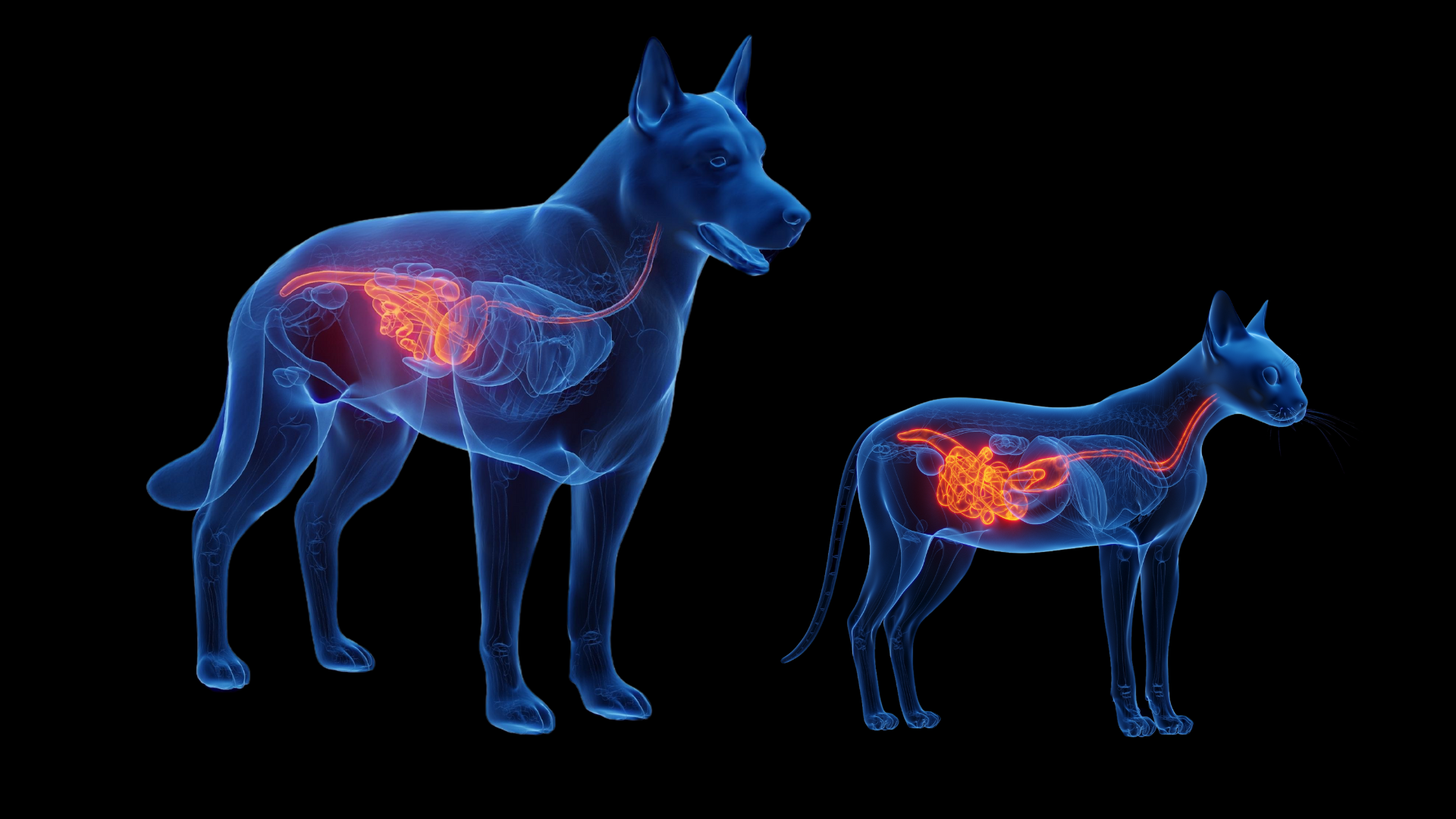
The gut plays an intrinsic role to overall health in companion animals, and we have long since thought of it only as a digestive organ. As well as being the gateway for nutrient intake the gut is a key organ in immunity and overall wellbeing. The GI (gastrointestinal) tract has an influence over the brain via the gut-brain axis. This bidirectional communication network enables the gut and brain to constantly communicate with one another. The brain can influence gut function, and the gut can send signals to the brain, affecting mood, behaviour, and even cognitive function[i]. The gut is also closely linked to the immune system, with a healthy and balanced microbiome supporting effective immune responses[ii]. Understanding these sophisticated links to the wider body, and appreciating the importance of the microbiome and the physical structure of the gut lining, matters hugely when considering clinical outcomes.
The microbiome is well understood as an ecosystem of trillions of living organisms, made up of bacteria, yeasts, viruses and other microbes. The microbiome is established at birth and continues to evolve through life, being influenced by factors such as diet, stress, medication, environment and age. A diverse and balanced microbiome is associated with better nutrient absorption, and immune defences[iii]. Dysbiosis refers to disruption to the normal composition of the gut microbiome and can result from antibiotic usage, dietary changes, stress or ill health (chronic or acute). When in dysbiosis, the “good bacteria” typically decline, while “bad bacteria” proliferate. This results in reduced short chain fatty acid (SCFA) production, impaired barrier function and increased gut inflammation[iv].
Immunity
The GI Tract is exposed to high levels of dietary antigens, microbes and environmental contaminants and as such plays a large role in immunity. It must remain tolerant to non-harmful stimuli while also being capable to mount a rapid response to pathogens. The gut-associated lymphoid tissue (GALT) is located throughout the GI tract, and acts as sites for antigen sampling and initiating immune responses.
Mammalian GALT is chronically activated by the intestinal microbiota throughout life[v]. As such, the microbiome influences B cell engagement with pathogens and propagates IGA responsesv. This ongoing “training” helps the individual develop tolerance for benign antigens and priming a response to pathogens. The status of the microbiome therefore has a direct impact on the effectiveness of the GALT and immune defences. Dysbiosis can disrupt the GALT activation resulting in chronic inflammation or hypersensitivity reactions.
The microbiome also has a direct effect on the structure of the gut, specifically the epithelial junction integrity. As the largest mucosal surface of the body, the GI tract has a close relationship with the microbiome. The gut mucosa is a sophisticated tissue which facilitates the absorption and digestion of nutrients, acts as the first line of defence to pathogens and regulates metabolism via endocrine signalling. The gut microbiome has an effect on the different cells that constitute the lumen lining, by strengthening tight junctions between cells, promoting mucus production, and modulating inflammatory signalling pathways, regulating the intestinal epithelial barrier function[vi].
When the integrity of the mucosa is compromised, whereby the epithelial barrier has larger gaps between cells with increased intestinal permeability, it can lead to systemic inflammation, dysbiosis, and a heightened risk of chronic disease, often known as “leaky gut syndrome”.
When the barrier function of the GI tract is compromised due to leaky gut syndrome pathogens which would ordinarily move through the intestines can move more freely across the intestinal lining and enter the systemic circulation. Leaky gut can occur from infection, trauma to the abdomen or toxin/medication overdose but the majority of cases result from long term intestinal damage and chronic microbiome imbalance.
Dysbiosis
Acute and chronic GI upset cases are frequently seen in clinics around the country. Anything from acute diarrhoea to more chronic cases involving weight loss, lethargy and abdominal pain are not unusual. However, due to the microbiome’s far-reaching influence dysbiosis can have an effect in many ways, including:
- Intestinal inflammation
- Obesity[vii]
- Pruritus
- Behavioural changes
- Metabolic diseases[viii]
- Cancer[ix]
- Neurologic disfunctions[x]
Supporting gut health
When GI health is compromised restoring the function and integrity of the gut and microbiome is essential. Alongside appropriate hydration and balanced nutrition the use of prebiotics, probiotics and postbiotics can help restore the balance of the microbiome.
Probiotics: Non-digestible fibres such as Bifidobacterium and Lactobacillus spp. By providing fermentable fuel, prebiotics help restore microbial diversity, encourage the production of short-chain fatty acids (SCFAs), and improve the overall resilience of the microbiome.
Probiotics: Live microorganisms that help populate a healthy microbiome. They help produce antimicrobial substances, modulate immune responses and promote epithelial integrity and repair.
Postbiotics: Bioactive compounds produced by probiotic microbes during fermentation. A safe and stable way to deliver some of the key benefits of probiotics such as anti-inflammatory activity, immune modulation, and barrier support.
Attention must also be given to the intestinal mucosal barrier, and plasma-proteins can help support epithelial regeneration, support junction integrity and promote mucosal healing[xi].
ProRestore
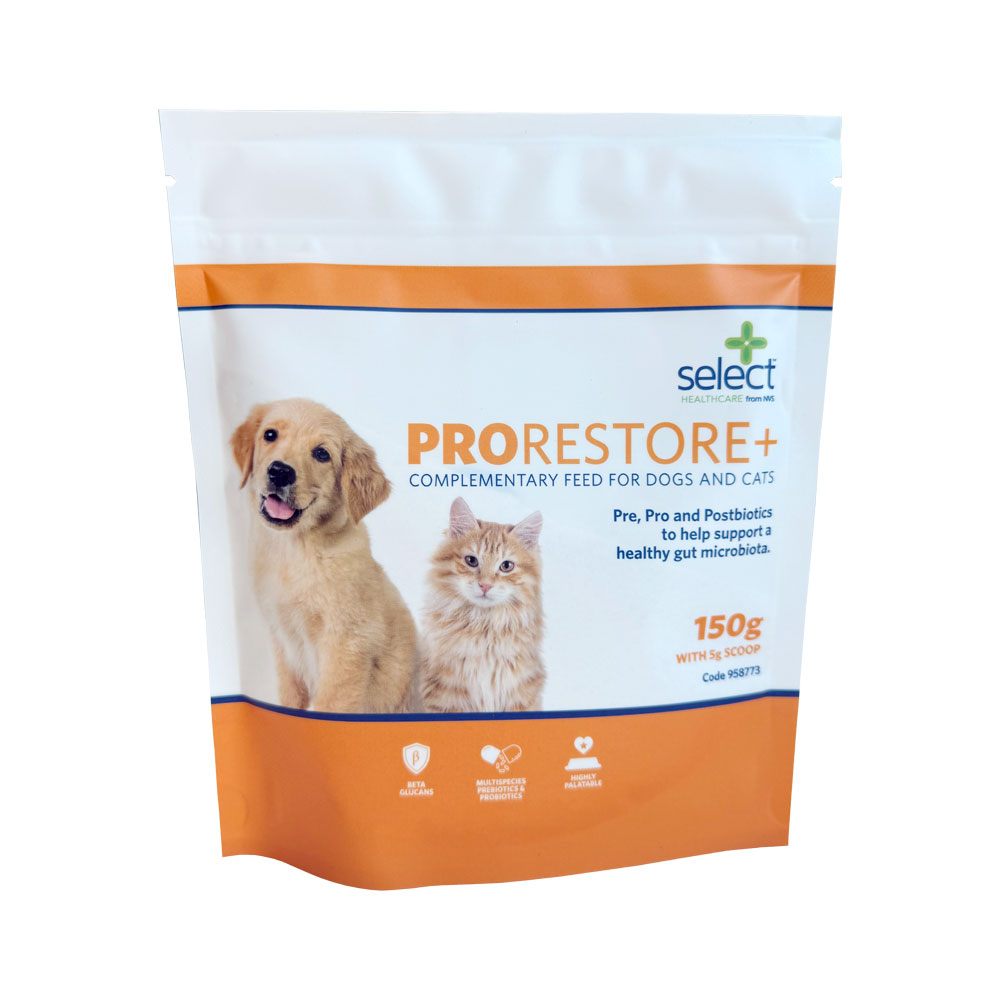
With these challenges in mind, ProRestore has been developed to support gut health and recovery. Its blend of pre-, pro- and postbiotics and plasma protein helps to restore the balance of the microbiome. It also helps to reinforce the intestinal mucosa and help with nutrient uptake. The triple-action symbiotic nutritional supplement is designed to not only support gut integrity, but enhance gut-associated immune function in dogs and cats.
ProRestore can be given to cats and dogs in times of acute GI upset to help support the gut, or ahead of stressful situations such as travelling or vet visits to provide the best possible environment for the microbiome.
When functioning optimally the GI tract is a sophisticated and dynamic system. It is key to remember the microbiome plays a central role in digestion and immunity and a diverse balanced microbiome is desired for best health. Via both the GALT and physical structure of the epithelial lining of the mucosa, the microbiome influences the immune and health status of the animal. Dysbiosis can lead to chronic inflammation and hypersensitivity or physical alteration within the gut causing increased permeability and subsequent systemic effects. Targeted nutritional support, including prebiotics, probiotics, postbiotics, and mucosal nutrients like plasma proteins, offers a practical and science-backed way to aid gut recovery and restore balance.
References:
[i] Shen, H. H. (2015). Microbes on the Mind. Proceedings of the National Academy of Sciences, 112(30), 9143–9145. doi: 10.1073/pnas.1509590112
[ii] Pilla R (2021). The Gut Microbiome of Dogs and Cats, and the Influence of Diet. Veterinary Clinics of North America: Small Animal Practice. Volume 51, Issue 3, May 2021, Pages 605-621
[iii] Wernimont S M (2020) The Effects of Nutrition on the Gastrointestinal Microbiome of Cats and Dogs: Impact on Health and Disease. Front Microbiol. 2020 Jun 25;11:1266. doi: 10.3389/fmicb.2020.01266
[iv] Pilla R (2020) The Role of the Canine Gut Microbiome and Metabolome in Health and Gastrointestinal Disease. Front. Vet. Sci., 14 January 2020 Sec. Veterinary Clinical, Anatomical, and Comparative Pathology. Volume 6 – 2019 | https://doi.org/10.3389/fvets.2019.00498
[v] Gut-associated lymphoid tissue: a microbiota-driven hub of B cell immunity Bemark, Mats et al.
Trends in Immunology, Volume 45, Issue 3, 211 – 223
[vi] Goyal S. Sending signals – The microbiota’s contribution to intestinal epithelial homeostasis. Microbes and Infection Volume 23, Issues 6–7, July–August 2021, 104774
[vii] I.N. Kieler, S. Shamzir Kamal, A.D. Vitger, et al. Gut microbiota composition may relate to weight loss rate in obese pet dogsVet Med Sci, 3 (4) (2017), pp. 252-262
[viii] J.A. Montoya-Alonso, I. Bautista-Castano, C. Pena, et al. Prevalence of canine obesity, obesity-related metabolic dysfunction, and relationship with owner obesity in an obesogenic region of Spain Front Vet Sci, 4 (2017), p. 59
[ix] L. Zitvogel, R. Daillere, M.P. Roberti, et al. Anticancer effects of the microbiome and its products Nat Rev Microbiol, 15 (8) (2017), pp. 465-478
[x] N.D. Jeffery, A.K. Barker, C.J. Alcott, et al. The association of specific constituents of the fecal microbiota with immune-mediated brain disease in dogs PLoS One, 12 (1) (2017), p. e0170589
[xi] L Yunwei et al Epithelial TIPE1 Protein Guards against Colitis by Inhibiting TNF-α-Mediated Inflammation J Immunol 2023 Sep 1;211(5):874-884. doi: 10.4049/jimmunol.2300291.
Related products