
Gastrointestinal disorders
Gastrointestinal disorders are another highly seen condition, with the prevalence of enteropathies in dogs reported to be 10% and in cats approximately 8.5%. Whereas historically, antibiotics were heavily prescribed in cases of diarrhoea, we now know that most acute cases of diarrhoea are not caused by pathogenic bacteria. Instead we have seen a shift to treating dysbiosis with dietary modifications and nutraceuticals.
Restoration and support of the microbiome
Diarrhoea is caused by reduced water absorption by the GI tract or increased water secretion which can result in disturbances including; dehydration, loss of electrolytes, dysbiosis, changes to the intestinal mucosa and inflammation. It makes sense that fluid replacement is central to treating cases of diarrhoea, as is also the restoration and support of the microbiome, and correct dietary modification.
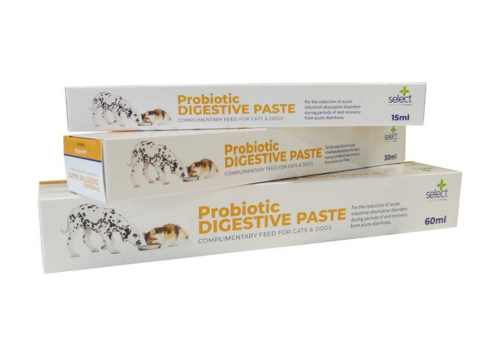
A low fat and highly digestible gastro-intestinal support diet is beneficial, along with products that supply pre and probiotics, such as Probiotic Digestive Paste. This product also includes disomectite, which helps to absorb water and potential pathogens, dextrose and glucose as energy sources, and electrolytes to help restore and maintain those that have been lost through dehydration.
Explore more from Digestive Health
Unidentified toxin ingestion
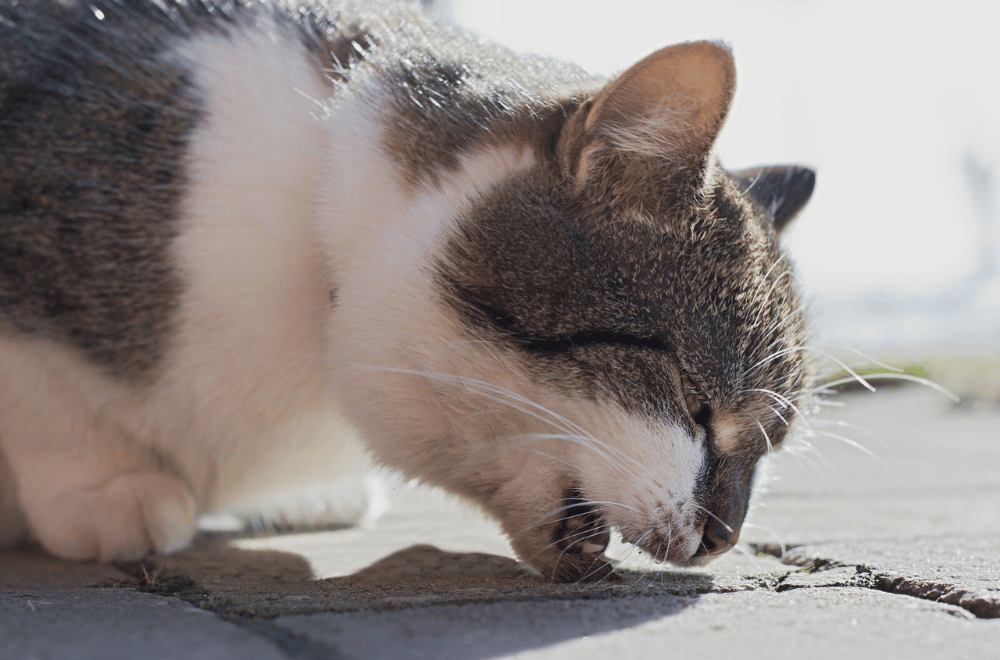
Adsorbents work by binding an unwanted substance in the gut to reduce the amount available for absorption onto the system. The bound substance then travels through the gut an is excreted in the faeces.
Supporting optimal gut health
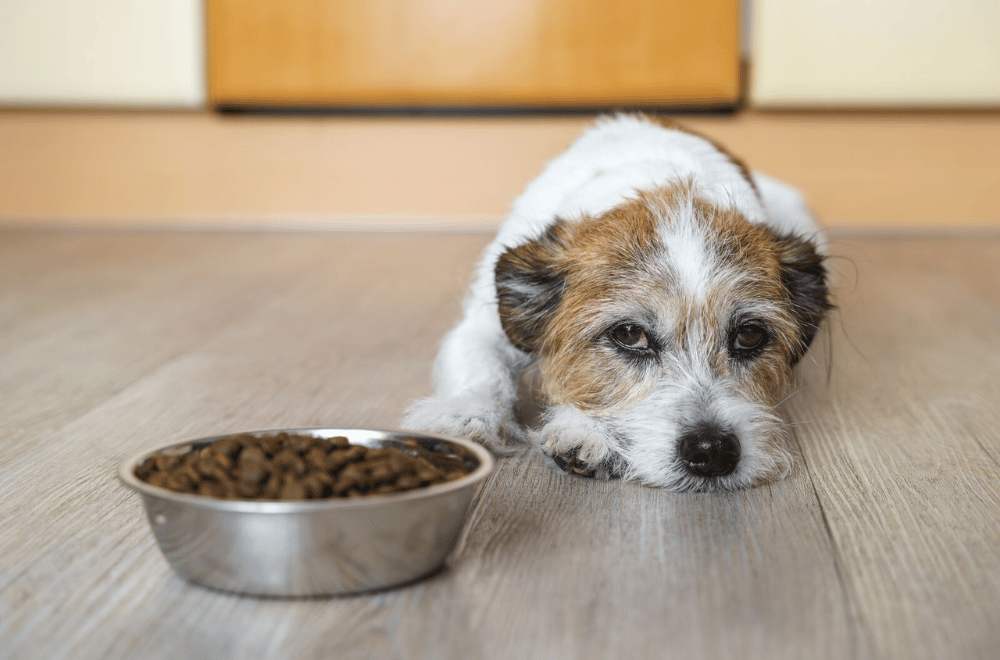
Along with the microbiome, it is also important to consider the physical structure of the gut, when thinking about digestive health.
Unidentified toxin ingestion
Adsorbents work by binding an unwanted substance in the gut to reduce the amount available for absorption onto the system. The bound substance then travels through the gut an is excreted in the faeces.
Supporting optimal gut health
Along with the microbiome, it is also important to consider the physical structure of the gut, when thinking about digestive health.