
Toxin ingestion in cats and dogs
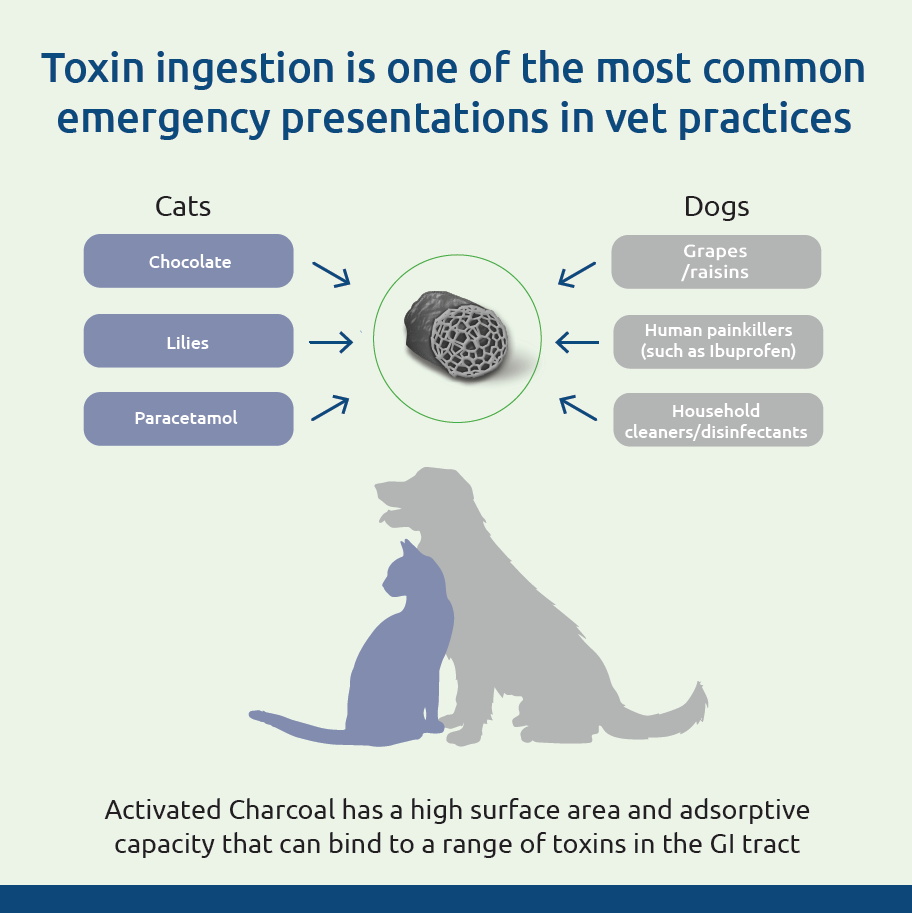
Toxin ingestion is one of the most common emergency presentations in veterinary practice and cases can range from mild to life-threatening within a matter of hours. Dogs are notorious for eating first and asking questions later. Cats, although more selective, are still at risk from grooming off topical substances, chewing plants, or ingesting human medications.
Dealing with toxins
The wide variety of possible toxins, from spoiled food to cleaning products, and the often-uncertain timing of ingestion means early, broad-spectrum intervention is critical. When toxin ingestion has occurred, activated charcoal becomes a frontline tool.
Activated charcoal is widely used in veterinary toxicology due to its high surface area and adsorptive capacity. When administered promptly after ingestion, it can bind to a range of toxins in the gastrointestinal tract, preventing their absorption into the bloodstream and significantly reducing systemic exposure and therefore reduces clinical severity.
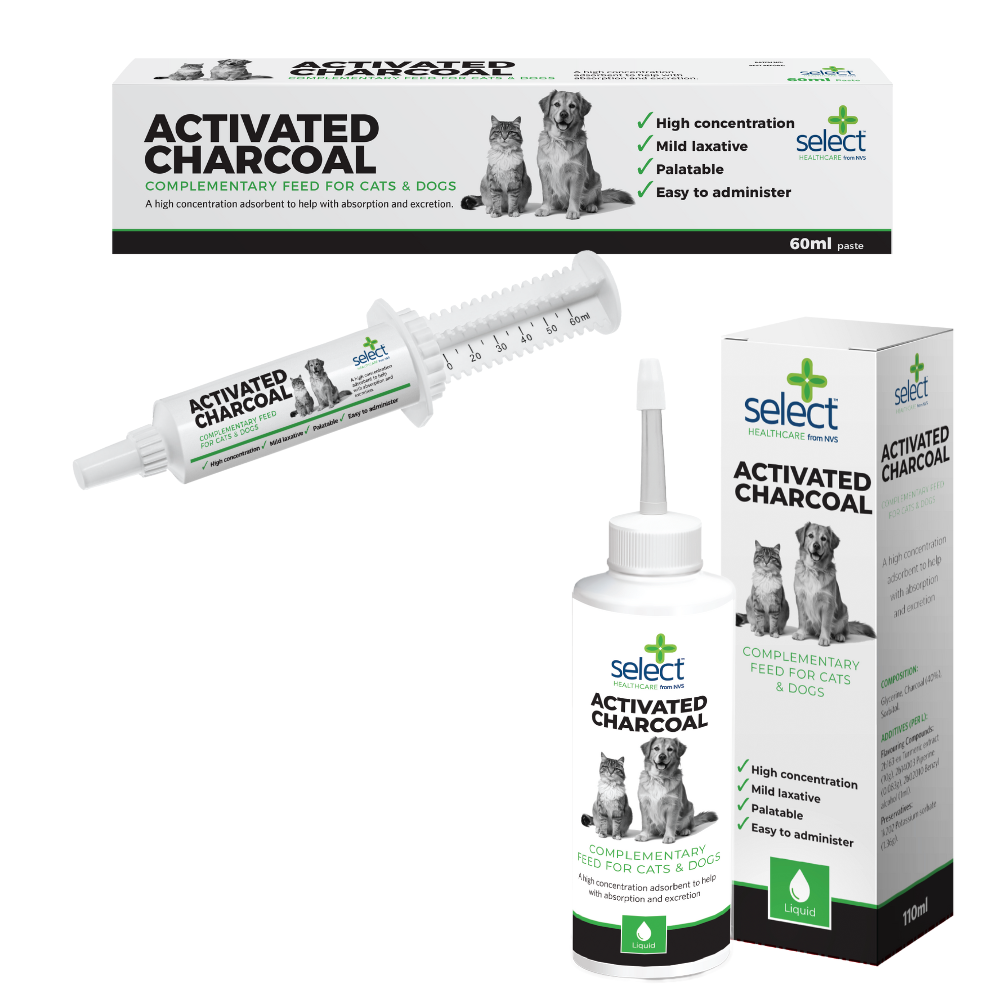
Formulations such as Activated Charcoal include not only a high concentration of charcoal but also ingredients that support hepatic and renal function, such as turmeric extract, piperine, and sorbitol, which acts as a mild laxative.
This broader approach is particularly valuable when the toxin involved is not clearly identified or when hepatic stress is anticipated. The ease of administration and palatability further enhance its utility in general practice.
Explore more from Digestive Health
Helping with hairballs
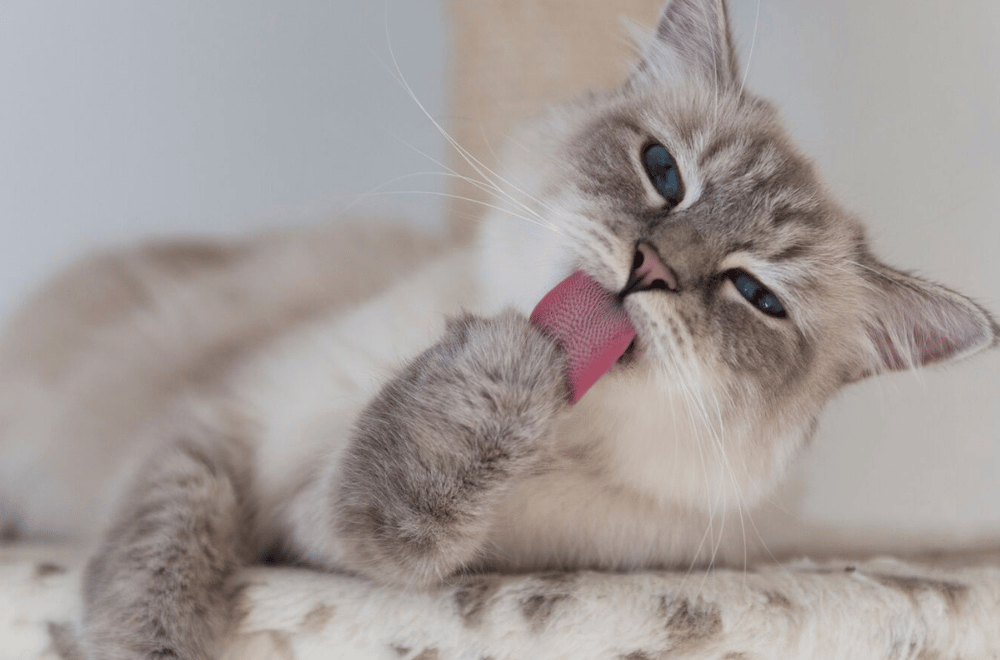
As natural groomers, cats ingest a significant amount of hair during routine licking. Normally, this hair passes through the gastrointestinal tract and is eliminated in the faeces. However, this isn’t always the case.
Unidentified toxin ingestion
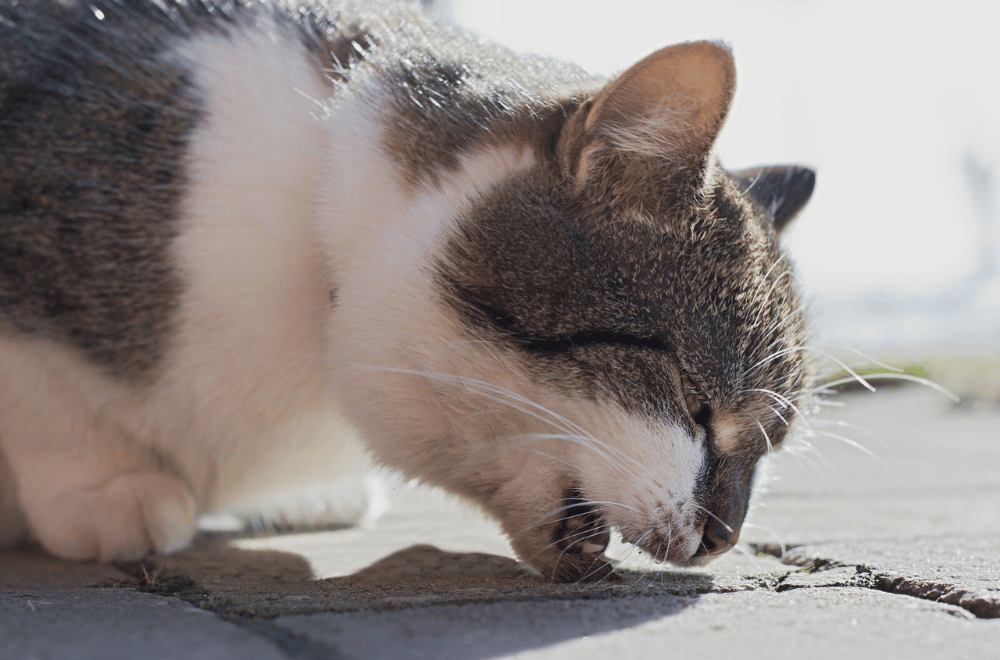
Adsorbents work by binding an unwanted substance in the gut to reduce the amount available for absorption onto the system. The bound substance then travels through the gut an is excreted in the faeces.
Helping with hairballs
As natural groomers, cats ingest a significant amount of hair during routine licking. Normally, this hair passes through the gastrointestinal tract and is eliminated in the faeces. However, this isn’t always the case.
Unidentified toxin ingestion
Adsorbents work by binding an unwanted substance in the gut to reduce the amount available for absorption onto the system. The bound substance then travels through the gut an is excreted in the faeces.