
Ensure optimal digestion
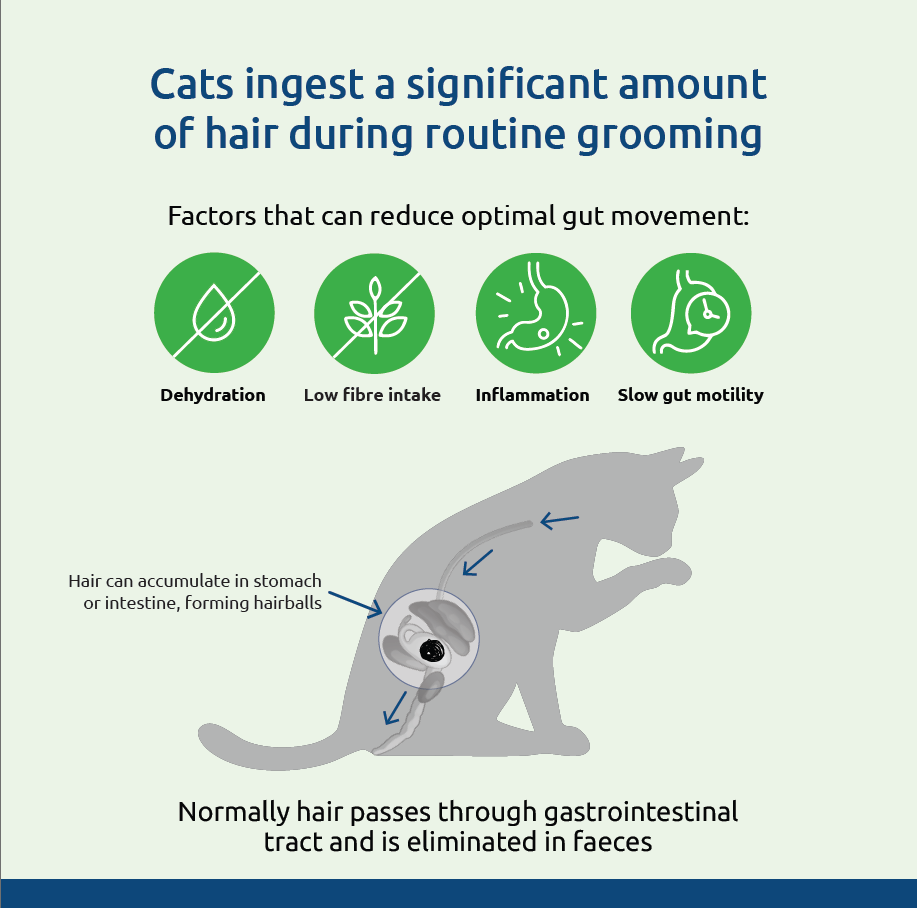
As natural groomers, cats ingest a significant amount of hair during routine licking. Normally, this hair passes through the gastrointestinal tract and is eliminated in the faeces. However, when the digestive system isn’t moving optimally, due to slow gut motility, low fibre intake, dehydration, or inflammation, hair can accumulate in the stomach or intestines, forming hairballs.
Dealing with hairballs
Although sometimes considered a minor grooming side effect, for some cats, recurrent hairballs can indicate a deeper issue with regards to intestinal health. Proactive management is key with hairballs and regular grooming as well as correct diet and hydration are vitally important.
Additional gut mobility support may be required to ensure efficient transit or hair and to prevent accumulation. Nutritional supplements that help lubricate the digestive tract and promote gentle mobility, such as Movipet, can be highly effective.
Explore more from Digestive Health
Anal gland health
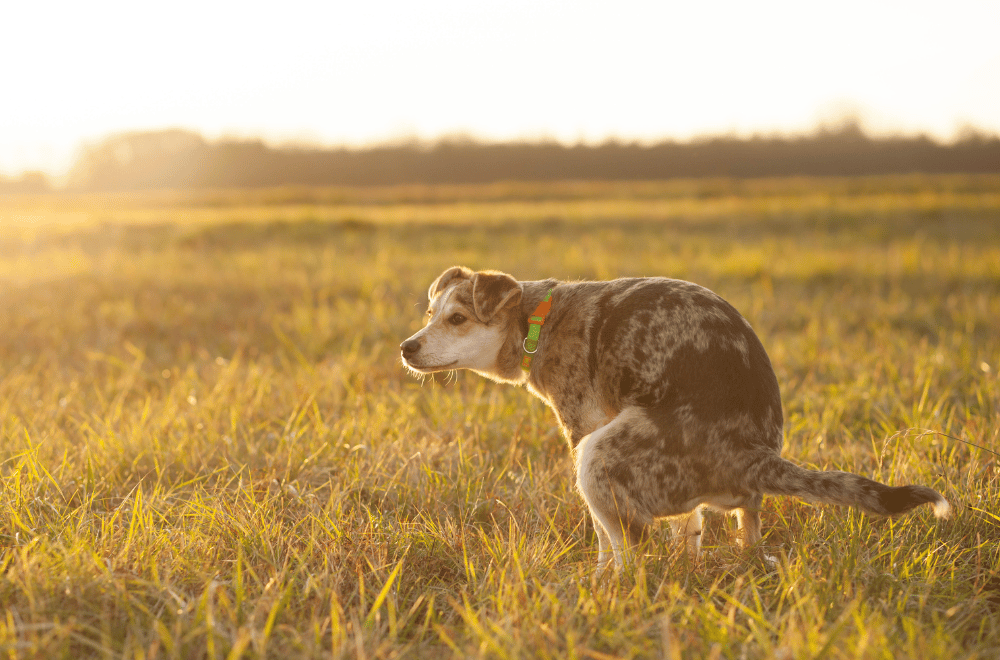
Impacted or dysfunctional anal glands are a frequent concern in small animal practice, particularly in dogs affecting up to 12% of all canines, and occasionally in cats as well.
Toxins and the role of activated charcoal
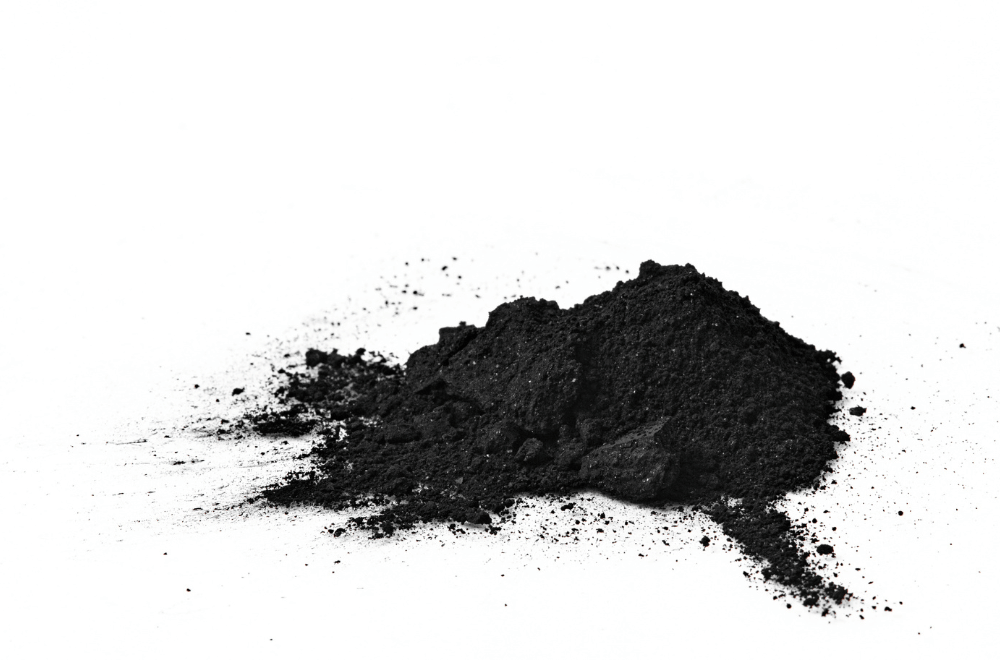
Toxin ingestion is one of the most common emergency presentations in veterinary practice and cases can range from mild to life-threatening within a matter of hours.
Anal gland health
Impacted or dysfunctional anal glands are a frequent concern in small animal practice, particularly in dogs affecting up to 12% of all canines, and occasionally in cats as well.
Toxins and the role of activated charcoal
Toxin ingestion is one of the most common emergency presentations in veterinary practice and cases can range from mild to life-threatening within a matter of hours.