Common concern in practice?
Impacted or dysfunctional anal glands are a frequent concern in small animal practice, particularly in dogs affecting up to 12% of all canines, and occasionally in cats as well. While sometimes dismissed as a minor nuisance, anal gland problems can cause significant discomfort, secondary infection, and contribute to broader gut health challenges.
Supporting anal gland health
When the glands do not empty properly, the secretions build up and become thickened, leading to impaction. This can be painful and irritating, commonly seen in behaviours such as scooting and excessive licking of the perianal area. If left unmanaged, impaction can progress to infection (anal sacculitis) or abscess formation.
Fortunately, most cases of anal gland dysfunction are manageable and often preventable, with a focus on digestive health. One of the most important modifiable factors is stool consistency. Firm, well-formed stools provide the necessary pressure to naturally express the anal glands during defecation, reducing the likelihood of impaction.
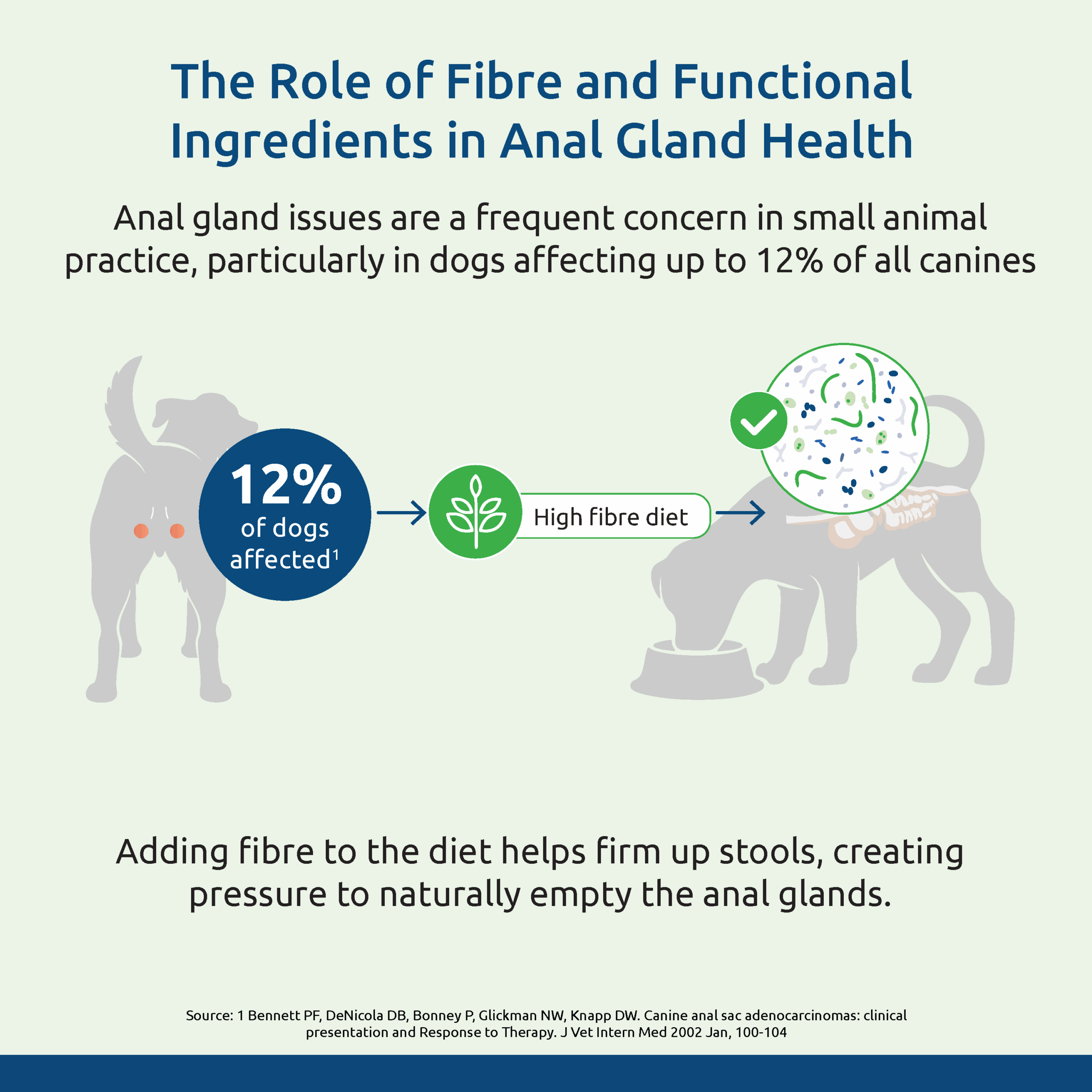
Dietary fibre plays a pivotal role in achieving this. A balance of soluble and insoluble fibre promotes both bulk and moisture regulation in stools. Soluble fibre ferments in the gut to support beneficial bacteria and produce short-chain fatty acids, while insoluble fibre adds bulk and aids in regular motility.
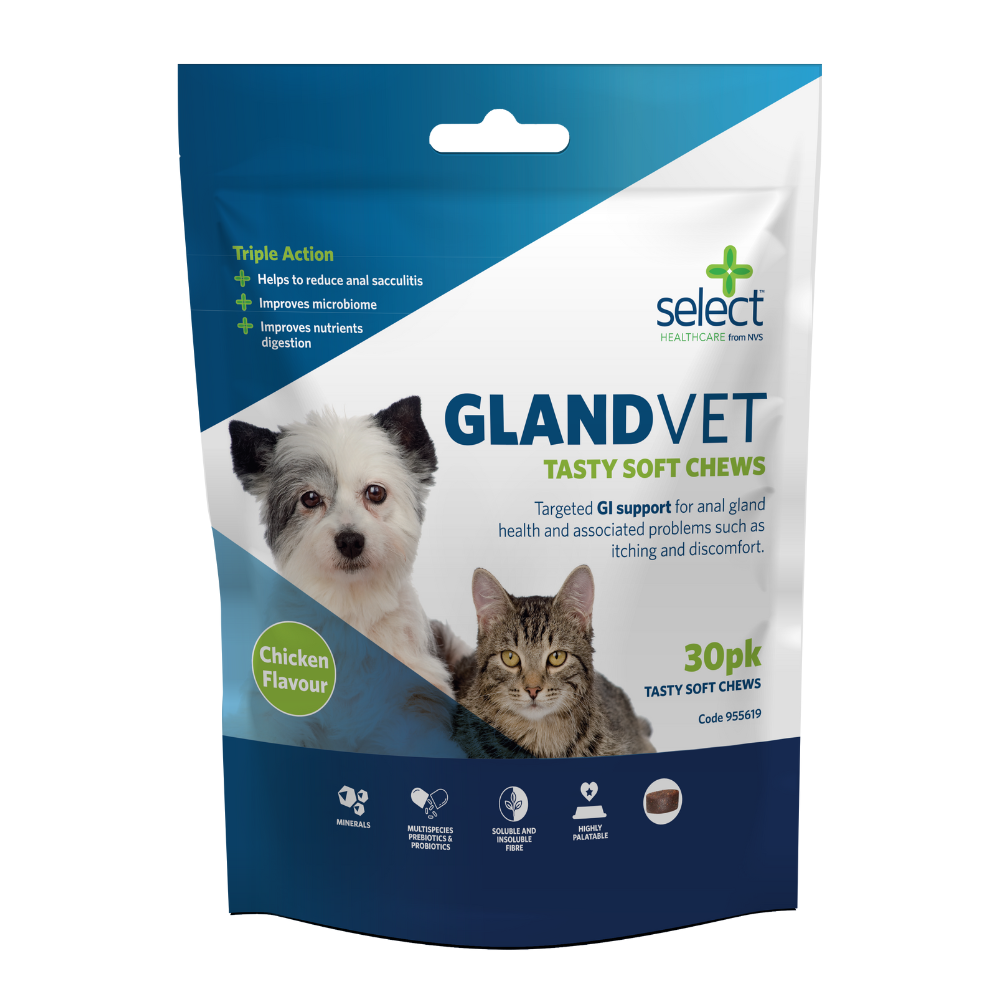
Beyond fibre, a healthy microbiome is essential. The gut and anal glands are closely interconnected, and dysbiosis can affect inflammation, stool quality, and even perianal skin health. To support the microbiome, probiotics can help restore microbial balance, reduce flatulence, and support regular bowel movements, all of which contribute to healthier anal gland function. GlandVet is a nutritional supplement targeted for anal gland health as it contains a balanced amount of fibres and probiotics which supports long-term anal gland function.
60-Second Review with Arlo Guthrie
Explore more from Digestive Health
Immunity in puppies and kittens
The early weeks and months of life are a critical window for immune development in both puppies and kittens as they transition from passive protection inherited from their mother to forming their own robust gut microbiome.
Helping with hairballs
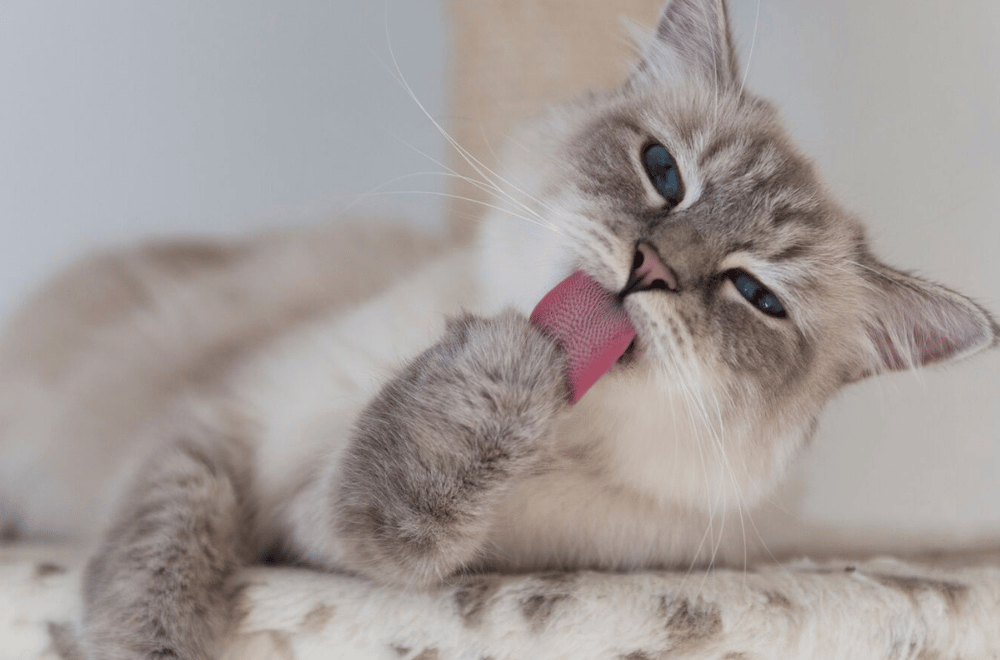
As natural groomers, cats ingest a significant amount of hair during routine licking. Normally, this hair passes through the gastrointestinal tract and is eliminated in the faeces. However, this isn’t always the case.
Immunity in puppies and kittens
The early weeks and months of life are a critical window for immune development in both puppies and kittens as they transition from passive protection inherited from their mother to forming their own robust gut microbiome.
Helping with hairballs
As natural groomers, cats ingest a significant amount of hair during routine licking. Normally, this hair passes through the gastrointestinal tract and is eliminated in the faeces. However, this isn’t always the case.