Critical time for immune development
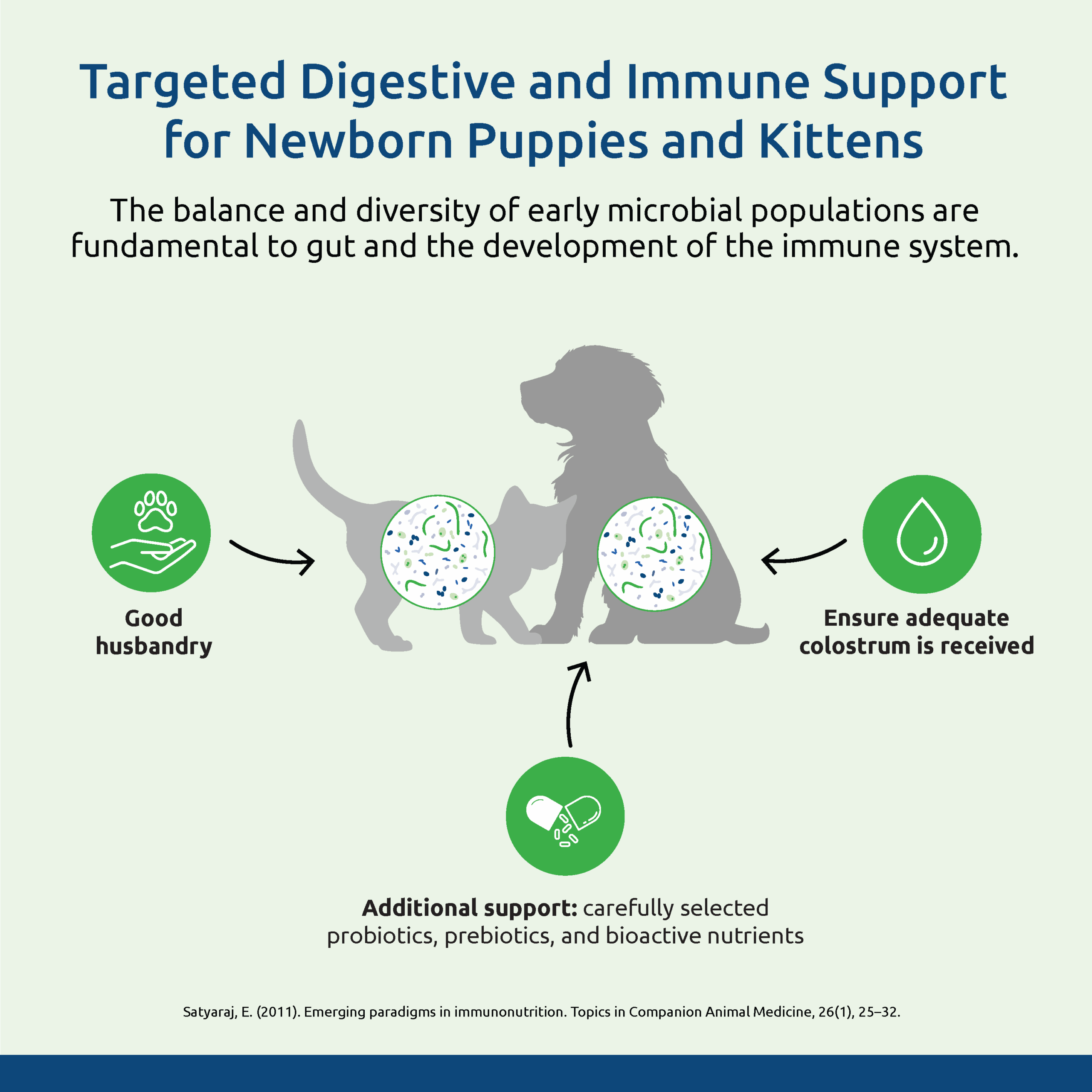
The early weeks and months of life are a critical window for immune development in both puppies and kittens. During this time, young animals transition from passive protection provided by their mother to forming their own robust, adaptive immune responses as the gut microbiome and immune system are both developing. Supporting them through this vulnerable period can have a lasting impact on health, disease resistance, and even vaccine responsiveness.
Supporting Puppies & Kittens
Colostrum intake is essential for any new-born as it facilitates transferring maternal antibodies and bioactive compounds that offer crucial passive immunity. But after weaning, this protection wanes, typically between 6 and 16 weeks, leaving young animals vulnerable. The gut plays a vital role in the immune system, and establishment of a healthy gut microbiome supports the development of both innate and adaptive immunity. If the gut is disrupted within this window, due to stress, illness or the use of medications such as antibiotics, young animals are at risk of developing infections, or longer-term conditions such as allergies or auto-immune diseases in later life.
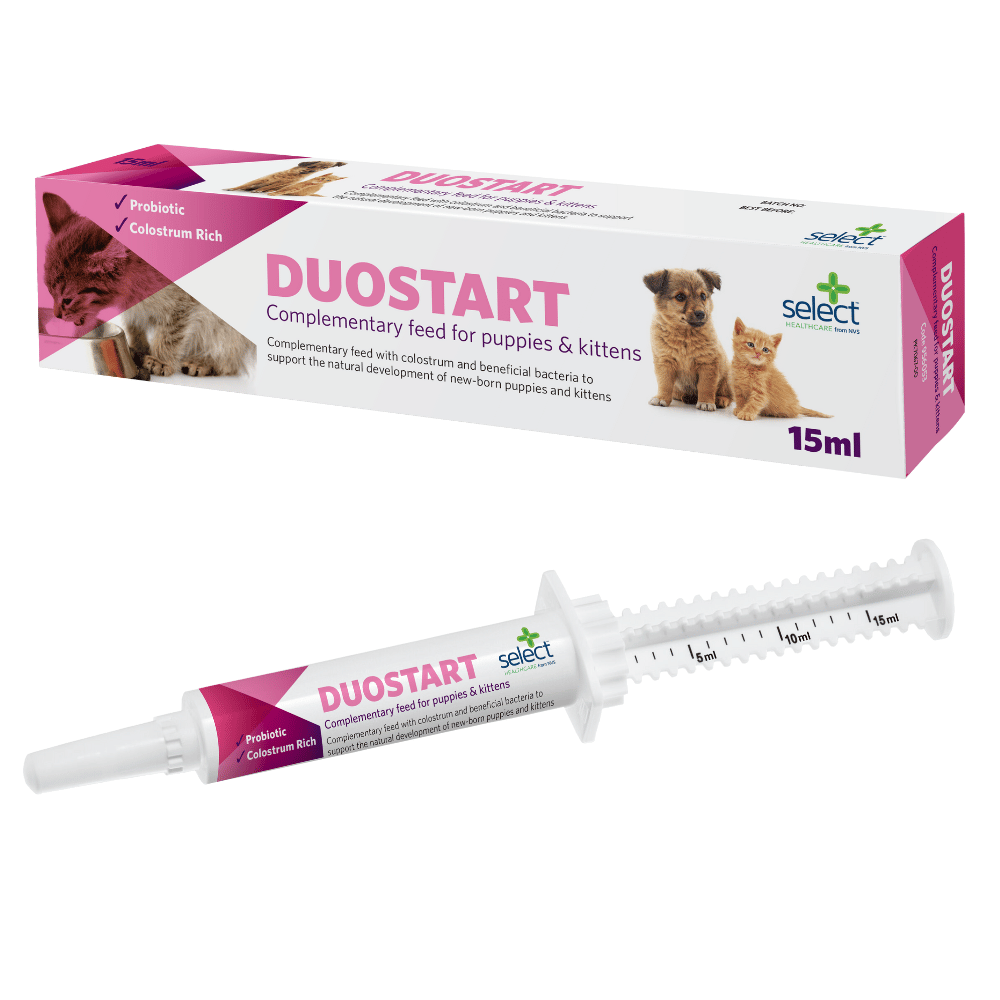
Duostart is a nutritional support that has been developed to provide immune support to young animals with the inclusion of colostrum, probiotics, beta-glucans and nucleotides and vitamin and trace minerals. The inclusion of beta-nucleoglobulins specifically supports both innate and adaptive immune responses, helping to bridge the gap between passive maternal protection and independent immune competency. This is especially beneficial in animals from large litters, hand-reared neonates, or those entering environments such as shelters or boarding facilities.
Explore more from Digestive Health
Supporting optimal gut health
Along with the microbiome, it is also important to consider the physical structure of the gut, when thinking about digestive health.
Anal Gland Health
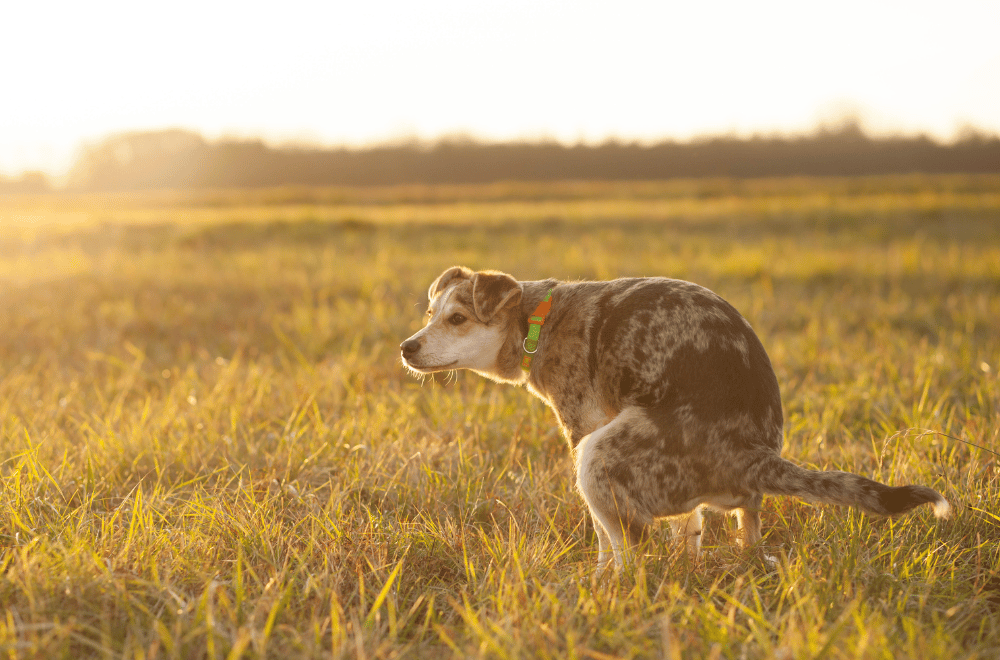
Impacted or dysfunctional anal glands are a frequent concern in small animal practice, particularly in dogs affecting up to 12% of all canines, and occasionally in cats as well.
Supporting optimal gut health
Along with the microbiome, it is also important to consider the physical structure of the gut, when thinking about digestive health.
Anal Gland Health
Impacted or dysfunctional anal glands are a frequent concern in small animal practice, particularly in dogs affecting up to 12% of all canines, and occasionally in cats as well.